
No Appointment Needed · We Take Insurance · Hablamos Español
Pain in the hips or pelvic region is a common complaint after a collision, especially when the lower body absorbs force during impact. Hip pain after car accident injuries can affect walking, sitting, balance, and overall mobility. In some cases, symptoms appear immediately, while others develop discomfort gradually over the following days.
At Comprehensive Accident and Injury Center, we evaluate patients experiencing lower body pain after motor vehicle accidents and provide treatment plans designed to improve mobility, reduce discomfort, and support long-term recovery.
The hips and pelvis play a major role in stabilizing the body during sudden movement. During a collision, force can travel through the legs, lower back, and pelvic region, placing stress on the joints and surrounding soft tissue.
A hip injury from car accident trauma may occur from bracing against the floorboard, twisting during impact, or sudden compression of the lower body. Even without a direct blow to the hip, the structures supporting the joint may become strained or irritated.
Because the pelvis connects the spine and lower extremities, dysfunction in one area can affect the entire movement system.
Hip pain after a car accident may present in several different ways depending on the structures involved. Some individuals experience soreness along the outside of the hip, while others feel discomfort deep within the joint or around the groin area.
Patients with hip and pelvic pain after car accident injuries may also notice stiffness, instability, or difficulty walking comfortably. Sitting for long periods, climbing stairs, or rotating the leg may increase symptoms.
In some situations, pain may radiate into the lower back or upper thigh due to tension and compensation patterns throughout the body.
Complete the Form Below and We’ll Get Back to you Immediately.
It is not unusual for symptoms to appear hours or days after a collision. Delayed hip pain after car accident injuries often develops as inflammation increases and surrounding muscles begin tightening in response to trauma.
Adrenaline released during the accident can temporarily mask discomfort, causing patients to underestimate the severity of the injury at first. As normal movement resumes, restrictions and instability may become more noticeable.
This is one reason why early evaluation is important, even if symptoms initially seem minor.
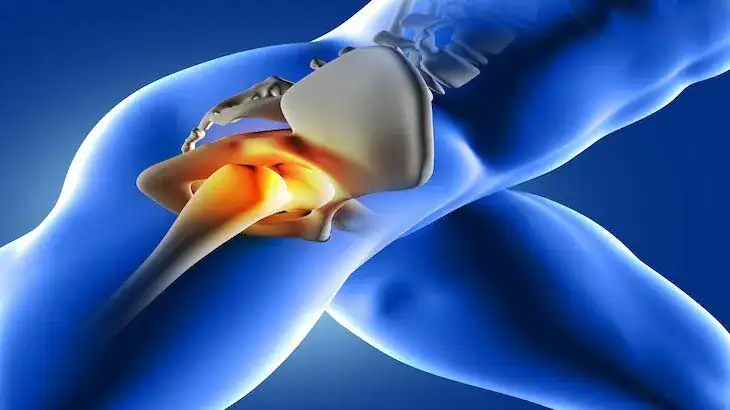
Hip injuries can affect posture, gait, and spinal mechanics if left untreated. A thorough assessment helps determine whether the discomfort is originating from the hip joint itself, the pelvis, the lower back, or surrounding soft tissues.
At Comprehensive Accident and Injury Center in Bear, DE, evaluations focus on movement quality, joint mobility, muscular balance, and functional limitations. Understanding how the body is compensating after injury helps guide a more effective treatment plan.
Recovery from a hip injury from car accident trauma often involves multiple forms of care working together. Treatment is focused on improving mobility, restoring stability, and reducing stress on the affected areas.
Patients may benefit from physical therapy exercises designed to improve strength and flexibility, chiropractic treatment to address joint mechanics, and soft tissue therapy to reduce muscular tension and improve movement patterns.
This combination allows treatment to address both the symptoms and the underlying dysfunction contributing to discomfort.
The hips are essential for balance, walking, and overall body mechanics. When mobility or stability is compromised, other areas of the body may compensate, creating additional strain over time.
Rehabilitation focuses on helping patients regain coordinated movement while improving support from the surrounding muscles. Exercises are progressed gradually to help patients return safely to normal activities.
Without proper care, hip pain after car accident injuries may contribute to chronic stiffness, altered posture, or recurring discomfort. Early intervention can help reduce these risks and support better long-term function.
Improving movement patterns and restoring balance throughout the lower body can help patients recover more fully and reduce the likelihood of ongoing symptoms.
During your first visit, our team will review your accident history, symptoms, and current mobility limitations. A physical examination will assess joint function, posture, muscle balance, and areas of restriction.
Based on this evaluation, a personalized treatment plan will be developed to support your recovery goals.
Yes. Delayed symptoms are common as inflammation and muscle tension develop after the accident.
Force transferred through the pelvis, lower back, and legs can strain the hip joint and surrounding tissues.
The hips and pelvis function together, so injury or imbalance in one area often affects the other.
Yes. Even mild symptoms may indicate underlying dysfunction that can worsen over time.
Yes. Rehabilitation helps improve strength, flexibility, and movement patterns after injury.
If you are experiencing hip pain after car accident injuries, it is important to seek care before symptoms become more limiting. At Comprehensive Accident and Injury Center, we help patients recover from hip and pelvic injuries through structured treatment plans designed to restore movement and improve function. If you live in the Bear area, contact our office today to schedule an evaluation. You can fill out our online contact form or call directly to speak with our team about your next steps.