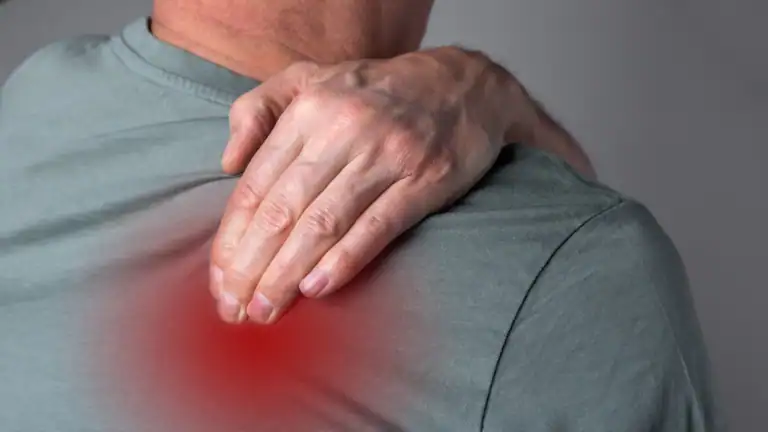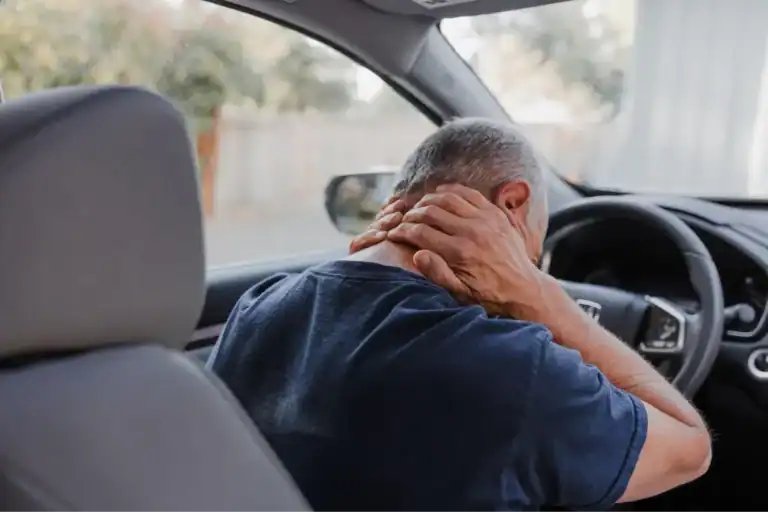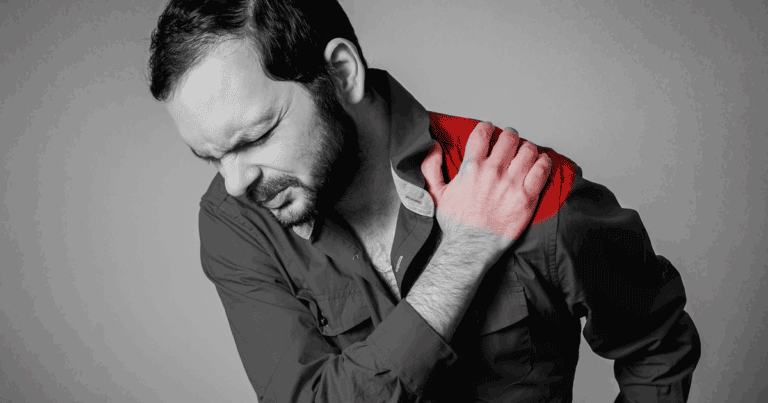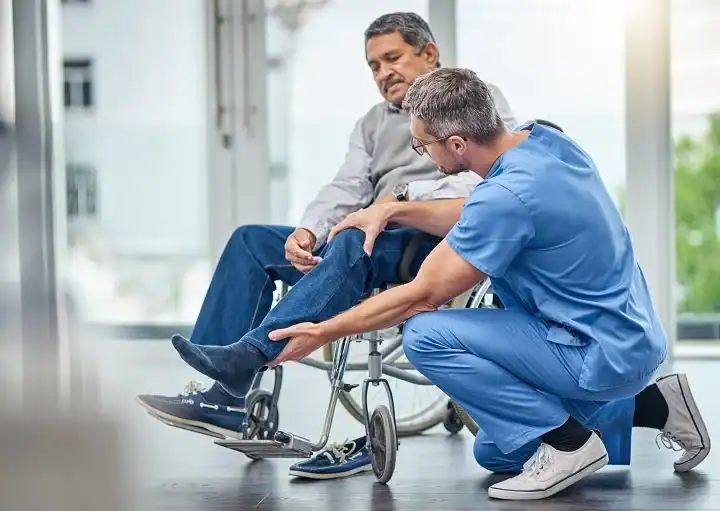
After a car accident, it’s easy to underestimate the impact the collision has on your body—especially when adrenaline is high and you’re focused on sorting out insurance and damage repairs. However, even minor accidents can cause hidden injuries beneath the surface. Getting a medical check up after a car accident is one of the smartest decisions you can make, both for your long-term health and for protecting your rights.
At Comprehensive Accident and Injury Center, we specialize in uncovering accident-related injuries that can easily go unnoticed in emergency room settings. Our team provides in-depth evaluations, injury-specific diagnostics, and targeted treatment plans to help patients heal properly from the inside out.
Get Appointment
Complete the Form Below and We’ll Get Back to you Immediately.
Key Takeaways
Not all accident injuries appear right away—some develop slowly over hours or days.
A medical check up establishes documented proof of injury for insurance or legal needs.
Specialists trained in auto-injury evaluation can detect soft-tissue, musculoskeletal, and spinal injuries often missed in ERs.
Early treatment can prevent chronic, long-lasting complications.
Comprehensive Accident and Injury Center provides personalized, accident-focused diagnostic testing and rehabilitation services.
Why Immediate Medical Evaluation Is Critical
The human body is not built to withstand the sudden forces of a vehicle collision. Whether you were the driver, passenger, or even a pedestrian, your soft tissues, joints, and spinal structures absorb immense pressure during impact. Yet many patients decline medical evaluation because they feel “fine” afterward—only to develop pain or mobility issues days later.
This delay happens for several reasons:
Adrenaline Masks Pain
Your body’s natural response to trauma is to release adrenaline and endorphins. These chemicals temporarily dull pain, giving you a false sense of wellness.
Soft-Tissue Injuries Develop Slowly
Muscles, ligaments, and tendons can stretch or tear during impact. These injuries often worsen over time without proper treatment.
Inflammation Takes Time
Swelling, stiffness, and limited mobility may not appear until hours after the accident.
By getting a thorough medical check up immediately, you reduce the risk of worsening injuries and ensure you have accurate medical documentation from the start.
What a Comprehensive Car Accident Evaluation Looks Like
A proper medical check up after a car accident involves far more than a quick once-over. At Comprehensive Accident and Injury Center, our evaluation process is detailed and tailored to the mechanisms of your specific accident.
Accident History and Symptom Review
We begin by discussing:
How the collision occurred
The direction and force of impact
Where you felt immediate discomfort (if any)
Previous injuries or conditions that may have been aggravated
This helps us understand which areas of the body may be compromised.
Detailed Physical Examination
We assess:
Posture and spinal alignment
Muscle tension and tenderness
Range of motion
Joint stability
Neurological function, including reflexes and sensation
These tests help reveal injuries that may not show up on basic imaging.
Diagnostic Imaging and Specialized Tests
Depending on your symptoms and accident dynamics, we may recommend:
Digital X-rays to identify fractures or alignment issues
Ultrasound to evaluate soft-tissue tears or inflammation
Orthopedic tests to assess joint integrity
Neurological tests to detect nerve involvement
Accident injuries often require targeted diagnostics that general practitioners may not perform.
Customized Treatment Plan
Once we identify your injuries, we create a structured treatment plan designed to restore mobility, reduce pain, and support true healing—not just symptom management. Treatments may include:
Chiropractic adjustments
Spinal decompression
Physical rehabilitation exercises
Massage and soft-tissue therapy
Electrical stimulation
Heat and cold therapy
We also track your progress throughout your recovery to ensure optimal outcomes.
Why ER Visits Alone Are Not Enough
Many patients assume their ER visit rules out major injury, but emergency rooms are designed to address acute, life-threatening conditions—not the nuanced musculoskeletal injuries that often follow car accidents.
ER physicians may miss or overlook:
Whiplash
Facet joint injuries
Herniated or bulging discs
Ligament sprains
Muscle strains
Subtle spinal misalignments
Nerve compression
These injuries require specialized evaluation from professionals trained to analyze auto accident trauma. This is exactly what we do at Comprehensive Accident and Injury Center. Our team understands how the body reacts to collision forces and how to identify injuries that can become chronic if left untreated.
The Long-Term Risks of Skipping a Post-Accident Medical Check Up
Ignoring symptoms—or never getting evaluated at all—can lead to serious consequences. Over time, untreated accident injuries may result in:
Chronic neck or back pain
Reduced mobility
Nerve damage
Severe headaches or migraines
Degenerative changes in the spine
Compensatory injuries from altered movement patterns
These issues often become more complex and costly to treat later. Early evaluation gives you the best chance at a full and efficient recovery.
Insurance and Legal Benefits of Early Medical Documentation
Your medical records play an essential role in any insurance claim following a car accident. Insurance adjusters want to see:
Timely reporting of symptoms
Medical evidence that connects the injury to the accident
Documentation of treatments and progress
Waiting weeks to seek care can weaken your claim, making it easier for insurers to argue that the injury was not related to the accident. A prompt medical check up after a car accident provides the proof needed to protect your case and ensures you receive the benefits or coverage you deserve.
Our clinic can also coordinate with your attorney if you have one, helping streamline your documentation and case management.
If you have severe bleeding, confusion, loss of consciousness, or suspected broken bones, go to the ER. Otherwise, our clinic is better equipped to assess non-emergency accident injuries.
You should still follow up with us for a complete evaluation. ERs do not assess the full range of musculoskeletal injuries that can develop after a collision.
Schedule Your Post-Accident Medical Check Up Today
Whether you are experiencing symptoms or simply want reassurance that you’re truly okay, a professional evaluation after a car accident is essential. Comprehensive Accident and Injury Center is committed to helping you recover fully, avoid long-term complications, and get the documentation you need.
Reach out today to schedule your exam and take the first step toward a safer, healthier recovery.
Dr. Jack Norsworthy
Dr. Jack Norsworthy is a Doctor of Chiropractic Medicine and Founder of the Comprehensive Accident and Injury Center. He's passionate about providing the highest quality of Chiropractic care in Delaware and surrounding communities. Check back for more updates from Doctor Norsworthy as he shares more information about musculoskeletal injuries, Chiropractic care, and healthy lifestyle habits.
Dr. Jack Norsworthy
Dr. Jack Norsworthy is a Doctor of Chiropractic Medicine and Founder of the Comprehensive Accident and Injury Center. He's passionate about providing the highest quality of Chiropractic care in Delaware and surrounding communities. Check back for more updates from Doctor Norsworthy as he shares more information about musculoskeletal injuries, Chiropractic care, and healthy lifestyle habits.
If you live with degenerative disc disease (DDD), even a minor car accident can disrupt the delicate balance of your spine and rapidly intensify pain. The force of impact can stress worn discs, inflame surrounding tissues, and irritate nerves—leading to symptoms that may appear immediately or develop gradually over days. At Comprehensive Accident and Injury Center, we specialize in recognizing and treating injuries caused or aggravated by auto accidents, including those commonly overlooked in emergency room evaluations.
Get Appointment
Complete the Form Below and We’ll Get Back to you Immediately.
Key Takeaways
Even low-speed collisions can worsen pre-existing degenerative disc disease.
Symptoms include severe pain, stiffness, nerve irritation, and reduced mobility.
ER exams often miss subtle but serious spinal injuries; follow-up care is crucial.
Comprehensive Accident and Injury Center provides advanced diagnostics, chiropractic care, physical therapy, and customized rehabilitation plans.
Proper documentation of aggravated DDD is essential for personal injury claims.
How a Car Accident Can Aggravate Degenerative Disc Disease
Degenerative disc disease occurs gradually, but trauma can accelerate the process. When a collision happens, the spine undergoes a sudden load—often beyond what weakened discs can handle. This traumatic force can:
Increase disc bulging or cause a previously stable disc to herniate
Create microtears in surrounding ligaments and soft tissue
Trigger significant inflammation that pressures nearby nerves
Lead to protective muscle spasms that restrict movement
Cause rapid degeneration in an area already weakened by wear and tear
Many patients feel a dramatic increase in symptoms following an accident, even if their DDD had been manageable beforehand.
Why ER Evaluations Often Miss Accident-Related Spinal Injuries
Emergency rooms play a critical role in identifying life-threatening conditions, fractures, and visibly urgent injuries. However, their role is not to perform in-depth orthopedic or neurological evaluations for soft-tissue or disc-related injuries.
That’s why many patients walk away from the ER with “normal” results, only to experience worsening pain in the days that follow.
ER evaluations may miss:
Mild-to-moderate disc bulges
Joint dysfunction in the spine
Soft tissue injuries to ligaments, tendons, and muscles
Nerve irritation without immediate red flags
Signs of aggravated degenerative disc disease
This is why follow-up care with specialists trained in diagnosing car-accident injuries is essential. At Comprehensive Accident and Injury Center, we understand the impact forces involved in collisions and perform targeted tests and imaging specifically designed to uncover hidden injuries.
Common Symptoms After an Accident
When degenerative disc disease is aggravated by trauma, patients often report:
Intense or persistent neck or lower back pain
Sharp, radiating pain into the arms or legs
Tingling, numbness, or burning sensations from nerve compression
Difficulty rotating the head, bending, or lifting
Muscle spasms that restrict normal movement
Worsening pain when sitting, standing, or driving
These symptoms may begin immediately or gradually intensify over the following week as inflammation builds.
Why Post-Accident Follow-Up Is Essential
A follow-up evaluation ensures that injuries aren’t missed, improperly documented, or allowed to worsen. Here’s why it’s so important:
ERs screen mainly for emergencies—not soft tissue or disc injuries.
Early detection prevents chronic pain and long-term spinal instability.
Proper imaging helps identify whether a disc has worsened due to the accident.
Documentation is essential for personal injury claims, especially when pre-existing conditions are involved.
Car-accident-trained practitioners understand common crash-related injury patterns.
At Comprehensive Accident and Injury Center, we take the extra time to evaluate alignment, disc condition, nerve function, range of motion, and soft-tissue integrity—areas that ERs typically do not assess in detail.
Treatment Options at Comprehensive Accident and Injury Center
We use an integrated, patient-first treatment model to help you recover safely and effectively.
Chiropractic Care
Gentle adjustments help restore alignment, reduce inflammation, and relieve pressure on irritated nerves. Unlike aggressive techniques, our approach focuses on comfort and precision, especially for patients with DDD.
Physical Therapy & Rehabilitation
Our therapists create customized routines to stabilize the spine, improve flexibility, and rebuild strength. Targeted exercises help prevent future flare-ups and support long-term spinal health.
Spinal Decompression
This non-surgical therapy gently stretches the spine to reduce disc pressure, increase nutrient flow, and promote healing. It can be especially beneficial for accident-related disc aggravation.
Soft Tissue Therapy
Treatment for muscles, ligaments, and fascia helps reduce chronic tension, improve mobility, and support healing around injured discs.
Diagnostic Imaging
We provide imaging that focuses specifically on identifying trauma-related changes, including new disc bulges, joint dysfunction, and inflammation patterns.
Supporting Your Personal Injury Claim
When pre-existing conditions are involved, insurance companies often try to argue that the accident didn’t worsen your condition. That’s why proper documentation is critical.
At our clinic, you can expect:
Detailed records connecting your aggravated symptoms to the accident
Thorough evaluations that distinguish between pre-existing and new injuries
Progress reports and documentation for attorneys and insurance adjusters
Clear medical evidence showing how the crash impacted your DDD
Our goal is to ensure you receive the treatment you need—and the documentation your case requires.
FAQ: Degenerative Disc Disease Aggravated by Car Accidents
ERs focus on ruling out life-threatening issues. They typically do not perform the in-depth orthopedic or neurological evaluations necessary to detect disc or soft-tissue injuries.
Absolutely. Many spinal injuries develop or worsen in the days after an accident. Follow-up with an accident injury specialist is crucial for both proper healing and legal documentation.
Chiropractic care, physical therapy, spinal decompression, soft tissue therapy, and customized rehab programs are commonly effective.
Get the Care You Need After an Auto Accident
If your degenerative disc disease was aggravated by a car accident, the right evaluation and treatment can prevent worsening symptoms and help you return to normal life. Our team at Comprehensive Accident and Injury Center is trained to recognize injuries the ER may miss and provide the care needed for long-term recovery.
Dr. Jack Norsworthy
Dr. Jack Norsworthy is a Doctor of Chiropractic Medicine and Founder of the Comprehensive Accident and Injury Center. He's passionate about providing the highest quality of Chiropractic care in Delaware and surrounding communities. Check back for more updates from Doctor Norsworthy as he shares more information about musculoskeletal injuries, Chiropractic care, and healthy lifestyle habits.
Dr. Jack Norsworthy
Dr. Jack Norsworthy is a Doctor of Chiropractic Medicine and Founder of the Comprehensive Accident and Injury Center. He's passionate about providing the highest quality of Chiropractic care in Delaware and surrounding communities. Check back for more updates from Doctor Norsworthy as he shares more information about musculoskeletal injuries, Chiropractic care, and healthy lifestyle habits.
After a car accident, one of the most important decisions you can make is choosing the right medical provider to evaluate and treat your injuries. Accident-related injuries are unique—they often involve a combination of soft-tissue damage, joint dysfunction, inflammation, and nerve irritation that may not appear immediately. That’s why it’s essential to get evaluated by a medical professional who specializes in diagnosing and treating car accident injuries.
At Comprehensive Accident and Injury Center, our experienced providers can determine whether you need a chiropractor, a physical therapist, or a combination of both. Many patients benefit most from a customized treatment plan that integrates the strengths of each approach.
Get Appointment
Complete the Form Below and We’ll Get Back to you Immediately.
Why You Need Immediate Evaluation After a Car Accident
Even low-speed collisions can cause injuries that don’t show symptoms for days or weeks. Issues like whiplash, ligament strain, herniated discs, and nerve irritation may start subtly but worsen over time.
A proper evaluation at Comprehensive Accident and Injury Center includes:
Full injury assessment
Neurological and orthopedic testing
Imaging (X-rays, MRI referrals—when necessary)
A personalized treatment plan based on your injuries
Early diagnosis reduces long-term complications and supports a faster, fuller recovery.
Chiropractic Care After a Car Accident
Chiropractors are highly trained in treating musculoskeletal and spinal injuries—some of the most common consequences of car accidents.
Benefits of Chiropractic Care for Car Accident Victims
Restores proper spinal alignment after impact
Improves mobility in the neck, back, and joints
Relieves nerve pressure caused by disc or joint issues
Treats whiplash symptoms, including headaches, stiffness, dizziness, and radiating pain
Helps avoid long-term chronic pain by correcting underlying issues early
Chiropractic care is often one of the fastest ways to reduce pain after a car accident because it directly addresses the root musculoskeletal dysfunction.
Physical Therapy After a Car Accident
Physical therapy focuses on rebuilding strength, flexibility, and function—key parts of your recovery after trauma.
Benefits of Physical Therapy for Car Accident Victims
Strengthens weakened muscles due to injury
Restores normal range of motion in affected joints
Improves balance and posture
Helps improve scar tissue quality
Supports long-term recovery and prevents reinjury
Reconditions your body after weeks or months of reduced function
Physical therapy is especially helpful for patients with more significant soft-tissue injuries, muscle weakness, and movement limitations.
Do You Need a Chiropractor or Physical Therapist After a Car Accident?
In many cases—both.
Chiropractic care focuses on alignment, joint mobility, and neuromuscular function. Physical therapy focuses on strengthening, stabilization, and long-term recovery.
When combined:
You recover faster
Pain decreases more quickly
Mobility improves
Strength and stability return
You reduce the risk of chronic issues
At Comprehensive Accident and Injury Center, we create integrated treatment plans that combine chiropractic adjustments and physical therapy when needed, ensuring every aspect of your recovery is addressed.
Why Choose Comprehensive Accident and Injury Center
Specialists in car accident injuries
Personalized treatment plans based on your diagnosis
On-site chiropractic care
On-site physical therapy and rehab
Advanced diagnostics
Coordinated care under one roof
Experience with insurance claims and injury documentation
Our goal is to help you heal correctly—and completely—while making the recovery process simple and stress-free.
Most patients benefit from both. Chiropractors correct alignment and relieve nerve pressure, while physical therapists rebuild strength and function. Our providers determine exactly what you need after your evaluation.
Muscle weakness, reduced range of motion, ligament strains, soft-tissue injuries, balance problems, postural issues, and car accident-related functional loss.
In most cases, yes. We also provide detailed documentation to support accident-related claims.
Dr. Jack Norsworthy
Dr. Jack Norsworthy is a Doctor of Chiropractic Medicine and Founder of the Comprehensive Accident and Injury Center. He's passionate about providing the highest quality of Chiropractic care in Delaware and surrounding communities. Check back for more updates from Doctor Norsworthy as he shares more information about musculoskeletal injuries, Chiropractic care, and healthy lifestyle habits.
Dr. Jack Norsworthy
Dr. Jack Norsworthy is a Doctor of Chiropractic Medicine and Founder of the Comprehensive Accident and Injury Center. He's passionate about providing the highest quality of Chiropractic care in Delaware and surrounding communities. Check back for more updates from Doctor Norsworthy as he shares more information about musculoskeletal injuries, Chiropractic care, and healthy lifestyle habits.
Spinal stenosis is a condition that can cause chronic back pain, numbness, tingling, or weakness due to the narrowing of the spinal canal. Many people living with this condition look for natural, non-surgical ways to relieve their symptoms—often turning to chiropractic care. But one of the most common concerns patients have is: can a chiropractor make spinal stenosis worse?
At Comprehensive Accident and Injury Center, we understand how important it is to choose safe, effective treatments when dealing with a sensitive condition like spinal stenosis. Let’s take a closer look at what spinal stenosis is, how chiropractic care may help, and under what circumstances it could potentially cause harm if not performed correctly.
Get Appointment
Complete the Form Below and We’ll Get Back to you Immediately.
Understanding Spinal Stenosis
Spinal stenosis occurs when the spaces within the spine become narrowed, putting pressure on the spinal cord or nerves. This narrowing is most commonly caused by degenerative changes related to aging, but can also result from herniated discs, ligament thickening, arthritis, or injuries.
There are two primary types of spinal stenosis:
Cervical spinal stenosis
Affects the neck region and can cause pain, numbness, or weakness that radiates down the arms.
Lumbar spinal stenosis
Affects the lower back and may lead to leg pain, sciatica, and difficulty walking or standing for long periods.
The symptoms often develop gradually, but over time, they can severely impact quality of life if left untreated.
How Chiropractors Approach Spinal Stenosis
Chiropractic care focuses on improving spinal alignment and function. For individuals with spinal stenosis, the goal isn’t to “cure” the narrowing of the canal but to reduce pressure, inflammation, and pain that result from misalignment and muscle tension surrounding the affected area.
Chiropractors use several non-invasive techniques that may include:
Spinal adjustments (gentle mobilization rather than forceful manipulation)
Flexion-distraction therapy, which uses a specialized table to gently stretch and decompress the spine
Soft tissue therapy to relieve muscle tension and improve circulation
Postural correction and stretching exercises to improve spinal support and flexibility
These methods are designed to reduce pain, enhance mobility, and help patients regain function without surgery.
Can Chiropractic Treatment Make Spinal Stenosis Worse?
The short answer is: it depends on the technique and the individual’s condition. When performed correctly and appropriately tailored to the patient, chiropractic care is generally safe and can actually help alleviate many symptoms associated with spinal stenosis.
However, if a chiropractor uses overly aggressive adjustments or fails to identify underlying conditions that contraindicate manipulation, symptoms could temporarily worsen. In rare cases, excessive force may irritate the nerves or tissues surrounding the spinal canal.
This is why proper diagnosis and individualized care are critical. At Comprehensive Accident and Injury Center, we take a diagnostic-first approach. Before any spinal adjustments are performed, our team conducts thorough imaging and evaluations to understand the exact cause and location of the stenosis. This ensures that the techniques used are appropriate for the patient’s unique needs.
Safe Chiropractic Techniques for Spinal Stenosis
For patients with spinal stenosis, high-velocity spinal manipulation (often referred to as “cracking” or “popping” adjustments) may not always be ideal. Instead, chiropractors often use gentle, low-force techniques to relieve pressure and improve movement.
Some of the safest and most effective chiropractic approaches for spinal stenosis include:
Flexion-Distraction Technique – This method gently stretches the spine, creating more space between vertebrae and reducing nerve compression.
Activator Method – Uses a handheld instrument to apply controlled, low-force impulses to specific areas of the spine.
Pelvic Blocking – Involves placing wedges under the pelvis to subtly shift spinal alignment and relieve nerve pressure.
Manual Therapy and Soft Tissue Work – Helps reduce inflammation and tension that can worsen symptoms.
These approaches are designed to stabilize and support the spine rather than manipulate it aggressively.
When Chiropractic Care May Not Be Recommended
While chiropractic care can provide relief for many patients with spinal stenosis, there are situations where it might not be appropriate or should be approached with caution. Chiropractic treatment may be limited or avoided when:
The patient has severe nerve compression causing progressive weakness or loss of bladder/bowel control.
There is spinal instability or advanced degeneration.
The patient has undergone recent spinal surgery.
There is a risk of fracture due to osteoporosis or other bone-weakening conditions.
In these cases, chiropractors will typically refer the patient to a specialist or collaborate with medical providers to ensure a safe, integrated care plan.
The Importance of Comprehensive Care
At Comprehensive Accident and Injury Center, we don’t take a one-size-fits-all approach. Spinal stenosis requires a multifaceted treatment plan that may include chiropractic adjustments, physical therapy, corrective exercises, and lifestyle guidance.
By combining chiropractic care with rehabilitation and soft-tissue therapy, we can help patients reduce inflammation, strengthen the supporting muscles of the spine, and improve posture—all of which help minimize the effects of stenosis.
Our team’s goal is not only to reduce pain but also to help you regain long-term function and mobility. This whole-body approach provides a much better chance of lasting results compared to isolated treatments.
What to Expect at Comprehensive Accident and Injury Center
When you visit our office, you’ll start with a detailed consultation and diagnostic assessment. We’ll review your medical history, perform a physical examination, and, if needed, order imaging such as X-rays or MRI scans. Once we understand the root cause of your pain, we’ll design a care plan that is safe, customized, and goal-oriented.
During treatment, most patients notice gradual improvements in pain and flexibility. While spinal stenosis can’t be “reversed,” symptoms can often be managed effectively without surgery when the spine and surrounding tissues are properly supported.
When performed correctly, chiropractic adjustments should not make spinal stenosis worse. However, improper or overly aggressive manipulation could aggravate the condition. Always seek care from an experienced chiropractor familiar with stenosis.
Yes, it is generally safe when low-force or gentle adjustment techniques are used. Chiropractors trained in treating spinal stenosis focus on mobilization, decompression, and muscle relaxation rather than forceful manipulation.
Chiropractic care may help reduce pain, inflammation, and nerve irritation associated with spinal stenosis. Many patients report improved comfort, posture, and mobility after consistent treatment.
The frequency of visits depends on the severity of symptoms and the response to treatment. Typically, patients start with more frequent visits and gradually reduce as improvement continues.
Yes, other options include physical therapy, non-surgical spinal decompression, epidural injections, and in severe cases, surgery. Chiropractic care is often used in combination with other conservative therapies for best results.
Find Relief at Comprehensive Accident and Injury Center
If you’re struggling with the pain, numbness, or stiffness of spinal stenosis, the right chiropractic care can make a difference. At Comprehensive Accident and Injury Center, our team provides safe, evidence-based treatments tailored to your condition. We take every precaution to ensure your comfort and safety, helping you move forward with confidence and less pain.
Contact us today to schedule an appointment and learn more about how we can help you manage spinal stenosis naturally and effectively.
Dr. Jack Norsworthy
Dr. Jack Norsworthy is a Doctor of Chiropractic Medicine and Founder of the Comprehensive Accident and Injury Center. He's passionate about providing the highest quality of Chiropractic care in Delaware and surrounding communities. Check back for more updates from Doctor Norsworthy as he shares more information about musculoskeletal injuries, Chiropractic care, and healthy lifestyle habits.
Dr. Jack Norsworthy
Dr. Jack Norsworthy is a Doctor of Chiropractic Medicine and Founder of the Comprehensive Accident and Injury Center. He's passionate about providing the highest quality of Chiropractic care in Delaware and surrounding communities. Check back for more updates from Doctor Norsworthy as he shares more information about musculoskeletal injuries, Chiropractic care, and healthy lifestyle habits.
Understanding the Ringing in Your Ears After a Crash
If you’ve recently been in a car accident and are now hearing a persistent ringing, buzzing, or humming sound in your ears, you may be dealing with tinnitus — a common but often misunderstood symptom that can follow head, neck, or whiplash injuries. Many accident victims ask the same question: how long does tinnitus last after a car accident?
The answer depends on several factors, including the cause of your tinnitus, the severity of your injury, and how quickly you receive care. At Comprehensive Accident and Injury Center, we help patients uncover the root of their post-accident symptoms and provide evidence-based treatment to support healing and reduce discomfort.
Get Appointment
Complete the Form Below and We’ll Get Back to you Immediately.
What Is Tinnitus?
Tinnitus isn’t a disease in itself — it’s a symptom that something is wrong within the auditory system, which includes your ear, the auditory nerve, and parts of the brain that process sound.
It can sound like:
Ringing
Buzzing
Clicking
Hissing
Roaring
Tinnitus can be constant or come and go, and it may affect one or both ears. For many accident victims, tinnitus appears suddenly after the crash and becomes a source of stress, sleeplessness, and difficulty concentrating.
Why Tinnitus Happens After a Car Accident
After a motor vehicle collision, tinnitus can arise from several underlying injuries or conditions, such as:
Whiplash and Neck Injuries
Whiplash is one of the most common causes of post-accident tinnitus. When the head is suddenly jerked forward and backward, it can strain or damage muscles, nerves, and blood flow pathways that connect the neck and ears. This disruption can trigger tinnitus, dizziness, and even balance problems.
Traumatic Brain Injury (TBI)
A concussion or mild traumatic brain injury can alter how your brain processes sound. Even if your head didn’t strike an object, the force of the crash can cause your brain to move inside the skull, leading to inflammation or injury in the auditory processing centers.
Damage to the Ear Itself
A loud crash, airbag deployment, or sudden pressure changes can injure the delicate structures of the inner ear, such as the cochlea or eardrum. This damage can directly cause tinnitus and may also affect hearing sensitivity.
Temporomandibular Joint (TMJ) Dysfunction
TMJ disorders are another overlooked cause of post-accident tinnitus. The TMJ sits close to the ear, and when this joint becomes misaligned due to trauma, inflammation or nerve irritation can trigger ear pain, popping, and tinnitus-like symptoms.
Emotional Stress and Anxiety
It’s important to note that emotional trauma from the accident can make tinnitus more noticeable. Stress and anxiety often heighten your perception of sound, making the ringing seem louder or more persistent.
How Long Does Tinnitus Last After a Car Accident?
The duration of tinnitus after a car accident can vary dramatically:
Mild cases may resolve within a few days or weeks as swelling and inflammation decrease.
Moderate cases may last for several months, especially when related to whiplash or nerve irritation.
Chronic cases may persist for six months or longer — and sometimes indefinitely — if there’s lasting damage to the auditory system or underlying structural issues that remain unaddressed.
At Comprehensive Accident and Injury Center, we often find that tinnitus improves once the root cause (such as cervical misalignment, TMJ dysfunction, or soft tissue injury) is properly identified and treated.
When to Seek Medical Attention
If you notice ringing or buzzing in your ears after a crash — even if it seems mild — it’s important to get evaluated by an accident injury specialist. Tinnitus can be a sign of deeper problems that may worsen if ignored.
Seek prompt care if you experience:
Persistent ringing, roaring, or buzzing for more than a few days
Hearing loss or muffled hearing
Dizziness, headaches, or balance issues
Ear pain or pressure
Sensitivity to loud sounds
Early diagnosis helps ensure that any underlying injury (such as a concussion or nerve damage) is detected and treated before it becomes chronic.
How Tinnitus Is Evaluated After a Car Accident
At Comprehensive Accident and Injury Center, we take a comprehensive approach to evaluating post-accident tinnitus. Your visit may include:
A detailed medical and accident history to understand the force and direction of impact.
Physical examination to check for cervical misalignment, muscle tension, or jaw dysfunction.
Neurological assessment to identify any signs of concussion or nerve involvement.
This thorough approach helps us pinpoint the likely cause of tinnitus rather than just masking the symptoms.
Disclaimer: Comprehensive Accident and Injury Center does not perform MRI or CT imaging, or hearing tests (audiometry). The information on this page is for educational purposes only and is not intended to replace professional medical advice or diagnosis. If you suspect a serious ear injury or neurological condition, please consult with a licensed medical specialist.
Treatment Options for Tinnitus After a Car Accident
The best treatment depends on the root cause of your tinnitus. Some of the most effective therapies include:
Chiropractic and Physical Rehabilitation
Misalignments in the cervical spine can interfere with nerve communication and blood flow to the auditory system. Gentle chiropractic adjustments and targeted rehabilitation can help restore alignment, reduce inflammation, and relieve tinnitus symptoms.
Neurological and Balance Therapy
If tinnitus is linked to a mild traumatic brain injury, specific neurorehabilitation exercises can help retrain the brain and reduce the perception of ringing over time.
TMJ Therapy
When tinnitus is associated with jaw dysfunction, treating the TMJ through gentle adjustment, muscle release, or dental alignment can significantly reduce ear symptoms.
Sound Therapy and Relaxation Techniques
White noise machines, sound masking, and mindfulness techniques can help patients manage tinnitus by reducing how noticeable it feels.
Nutritional and Lifestyle Support
Improving circulation, reducing caffeine and nicotine, managing stress, and supporting nerve health through proper nutrition can also contribute to tinnitus improvement.
Recovery Outlook
Most patients who seek prompt care and follow a comprehensive treatment plan experience significant relief. Even when tinnitus doesn’t disappear completely, its intensity and impact on daily life often decrease dramatically with proper care.
At Comprehensive Accident and Injury Center, our team focuses on restoring your body’s alignment, neurological balance, and overall function — so that the tinnitus becomes quieter, less intrusive, and often fades entirely as healing progresses.
Why Choose Comprehensive Accident and Injury Center
Our clinic specializes in diagnosing and treating complex post-accident injuries that many other providers overlook. With expertise in chiropractic care, physical rehabilitation, and neurological evaluation, we take an integrative approach to restore your health from every angle.
Our goal isn’t just to silence the ringing — it’s to correct the underlying cause and help you feel like yourself again.
If you’ve recently been injured in a car accident and are located near Bear, Delaware, we encourage you to schedule a comprehensive evaluation with our team. We’ll take the time to understand your symptoms, assess your injuries, and create a plan to help you heal fully.
Not always. In many cases, tinnitus is temporary and improves as your body heals. However, if there is significant nerve or inner ear damage, the symptoms can become long-term. Early diagnosis and treatment increase the likelihood of full recovery.
It’s best to see a clinic that specializes in post-accident injury care — such as Comprehensive Accident and Injury Center — where both neurological and musculoskeletal factors can be assessed together.
Not necessarily, but tinnitus can be one of several concussion symptoms. Other signs include headaches, confusion, dizziness, and sensitivity to light or noise.
In mild whiplash cases, tinnitus may resolve within weeks. For more severe injuries involving nerve inflammation or misalignment, it may take several months to improve with proper treatment.
Take the First Step Toward Relief
If you’re struggling with tinnitus after a car accident, don’t wait for it to go away on its own. The sooner you get evaluated, the better your chances of recovery.
Dr. Jack Norsworthy is a Doctor of Chiropractic Medicine and Founder of the Comprehensive Accident and Injury Center. He's passionate about providing the highest quality of Chiropractic care in Delaware and surrounding communities. Check back for more updates from Doctor Norsworthy as he shares more information about musculoskeletal injuries, Chiropractic care, and healthy lifestyle habits.
Dr. Jack Norsworthy
Dr. Jack Norsworthy is a Doctor of Chiropractic Medicine and Founder of the Comprehensive Accident and Injury Center. He's passionate about providing the highest quality of Chiropractic care in Delaware and surrounding communities. Check back for more updates from Doctor Norsworthy as he shares more information about musculoskeletal injuries, Chiropractic care, and healthy lifestyle habits.
Car accidents are stressful, even when they seem minor at the moment. Often, the body absorbs more force than we realize, and some injuries don’t show up until hours—or even days—later. While neck and back pain are commonly discussed, elbow pain after a car accident is another injury that should not be overlooked.
The elbow is a complex joint made up of bones, ligaments, tendons, and muscles. Damage to any of these structures can result in lingering pain, reduced function, or even long-term complications if left untreated. At Comprehensive Accident and Injury Center, we understand the importance of catching these hidden injuries early so you can recover fully and avoid unnecessary setbacks.
Get Appointment
Complete the Form Below and We’ll Get Back to you Immediately.
Why Elbow Injuries Are Common in Car Accidents
During a collision, people often instinctively throw their arms out to brace themselves or hold tightly to the steering wheel. Both actions put the elbow in a vulnerable position. Impact with the interior of the car, a seatbelt strap, or airbag deployment can also directly affect the joint.
Elbow injury from a car accident can occur even at lower speeds. Some reasons why include:
Direct impact
Hitting the door, dashboard, or center console with your arm.
Bracing for collision
Tightening your grip on the steering wheel during impact transfers sudden force into the elbows.
Whiplash of the arms
Just like the neck, your arms and elbows can be jerked violently during a crash.
Airbag deployment
While airbags save lives, they can cause forceful blows to the arms and elbows.
Because these injuries aren’t always immediately visible—like a cut or bruise—they’re often dismissed until pain intensifies later.
Types of Elbow Injuries From Car Accidents
The elbow can sustain a variety of injuries, ranging from mild to severe. Common issues include:
1. Sprains and Strains
Overstretching the ligaments and muscles around the elbow can cause tears that result in pain, swelling, and limited range of motion.
2. Fractures
A fractured elbow can occur when the bones (humerus, radius, or ulna) absorb sudden force. Even small cracks may require treatment to heal properly and prevent arthritis down the line.
3. Dislocations
The elbow joint can become misaligned if the arm is twisted or jammed forcefully. Dislocations often require urgent care to restore normal joint function.
4. Nerve Compression
Trauma to the elbow can irritate or compress nerves like the ulnar nerve, leading to tingling, numbness, or weakness in the hand and fingers.
5. Soft Tissue Damage
Bruising, swelling, and inflammation of tendons and muscles can cause discomfort that worsens if untreated.
Tennis Elbow From a Car Accident
While tennis elbow from a car accident may sound unusual, it happens more often than people think. Tennis elbow (lateral epicondylitis) is typically an overuse injury, but the sudden strain caused by a collision can trigger the same condition.
When tendons that connect to the outside of the elbow are stressed, small tears can develop, leading to pain and weakness. After a car accident, this might feel like:
Pain on the outside of the elbow that worsens with gripping or lifting.
Weakness in your hand when turning doorknobs or holding objects.
Stiffness in the elbow joint, especially in the morning.
If left untreated, this condition can interfere with daily activities and take much longer to heal than a typical bruise or sprain.
Symptoms to Watch For
If you’ve recently been in a car accident, be alert for these warning signs of elbow injury:
Sharp or throbbing elbow pain.
Swelling, redness, or warmth around the joint.
Difficulty straightening or bending your arm.
Weak grip strength or trouble lifting objects.
Tingling or numbness in your forearm or fingers.
Even if your pain seems minor, these could be early indicators of a more significant problem.
Why Getting Checked Matters
Many accident-related injuries remain hidden until they progress into more serious conditions. By the time pain or stiffness becomes disruptive, recovery may take longer and require more intensive treatment.
At Comprehensive Accident and Injury Center, we use advanced diagnostic techniques to uncover injuries that might not show up on a standard X-ray. We then create a customized treatment plan to help you heal safely and effectively. Our goal is not just to reduce pain—but to restore your mobility, strength, and quality of life.
Safe, Effective Treatment Options
Depending on your diagnosis, treatment for elbow injuries may include:
Chiropractic care to restore alignment and reduce joint stress.
Physical rehabilitation to rebuild strength, flexibility, and function.
Soft tissue therapies to ease inflammation and promote healing.
Pain management strategies that address the root cause, not just the symptoms.
By addressing the injury early, you reduce the risk of long-term damage and speed up your recovery.
Play It Safe—Schedule an Evaluation Today
Elbow injuries from car accidents can be more serious than they appear. Don’t take chances with your health. If you’re experiencing any pain, stiffness, or weakness in your elbow after a collision, let our experienced team at Comprehensive Accident and Injury Center give you the care and peace of mind you deserve.
Contact us today to schedule your evaluation and take the first step toward recovery.
Dr. Jack Norsworthy
Dr. Jack Norsworthy is a Doctor of Chiropractic Medicine and Founder of the Comprehensive Accident and Injury Center. He's passionate about providing the highest quality of Chiropractic care in Delaware and surrounding communities. Check back for more updates from Doctor Norsworthy as he shares more information about musculoskeletal injuries, Chiropractic care, and healthy lifestyle habits.
Dr. Jack Norsworthy
Dr. Jack Norsworthy is a Doctor of Chiropractic Medicine and Founder of the Comprehensive Accident and Injury Center. He's passionate about providing the highest quality of Chiropractic care in Delaware and surrounding communities. Check back for more updates from Doctor Norsworthy as he shares more information about musculoskeletal injuries, Chiropractic care, and healthy lifestyle habits.