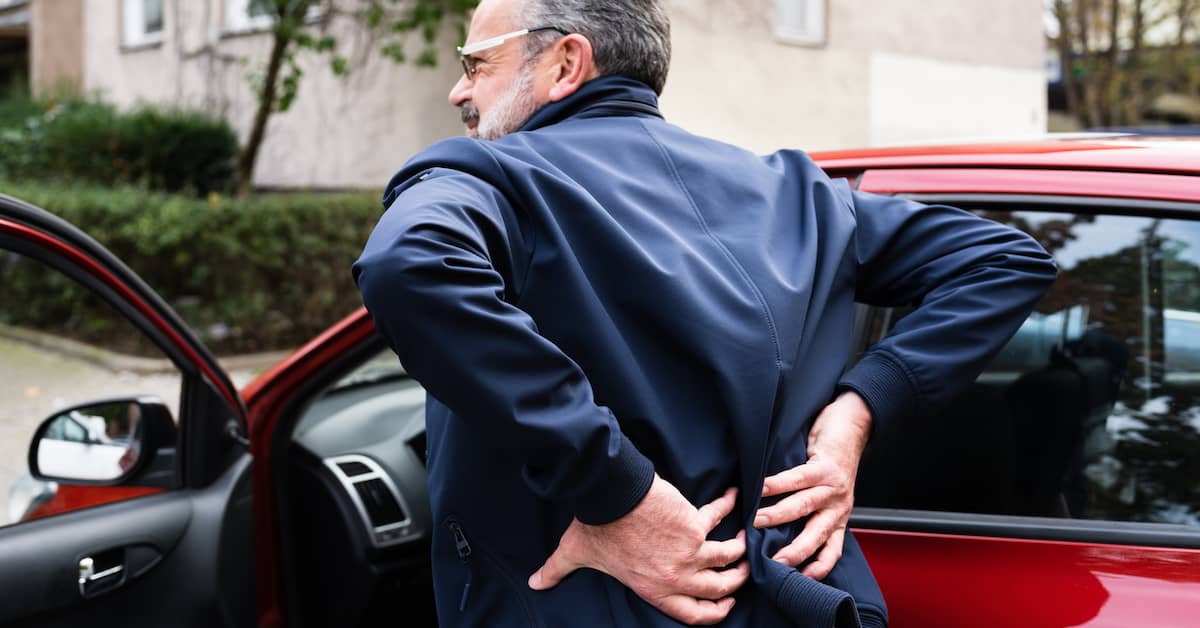
Experiencing ringing in your ears after a car accident can be alarming. This condition, known as tinnitus, is a common symptom following traumatic events and can significantly impact your quality of life. At Comprehensive Accident and Injury Center, we understand how important it is to address these symptoms promptly and effectively.
Get Appointment
Complete the Form Below and We’ll Get Back to you Immediately.
Causes of Tinnitus After a Car Accident
Ringing in the ears after a car accident can result from a variety of factors. Whiplash injuries, for example, involve sudden jerking movements that can strain the neck and head, potentially disrupting nerves and blood flow to the inner ear. Head trauma, even in mild cases, is another frequent cause, as it can lead to damage in the brain or auditory pathways. Additionally, the loud noises associated with the crash may cause acoustic trauma, damaging the delicate structures in the inner ear. Finally, the emotional aftermath of an accident, including stress and anxiety, can amplify or even trigger tinnitus symptoms.
Symptoms to Watch For
If you experience tinnitus after a car accident, it’s important to monitor for additional symptoms. These may include:
Hearing loss or heightened sensitivity to sound.
Dizziness or balance issues.
Ear pain or a sensation of fullness.
These symptoms might appear immediately after the accident or develop gradually over time. Ignoring them could lead to complications that worsen your condition and interfere with your daily life.
Why Prompt Treatment Matters
Seeking medical attention as soon as possible after an accident is essential, even if the symptoms seem mild. Early detection can help identify underlying issues like tinnitus, whiplash, or head trauma before they escalate. Without timely care, tinnitus can become a chronic problem, leading to persistent discomfort, sleep disturbances, and mental health challenges such as anxiety or depression.
Addressing these injuries promptly ensures you receive the appropriate care for both immediate relief and long-term wellness. Neglecting to seek treatment can allow symptoms to progress, complicating recovery and potentially reducing your quality of life.
Effective Treatment Options
If you’re experiencing tinnitus, a range of treatment options can help address the underlying causes and alleviate symptoms. Chiropractic care, for example, focuses on correcting misalignments in the neck and spine, which can improve nerve function and reduce tinnitus. Therapeutic exercises that strengthen and stabilize the neck and surrounding muscles may also help relieve whiplash-induced tinnitus.
Stress management is another important component of treatment. Mindfulness techniques, counseling, or relaxation exercises can significantly reduce the impact of stress-induced tinnitus. For more complex cases, hearing tests and consultations with specialists such as audiologists or ENT doctors may be necessary. These professionals can provide advanced diagnostic tools and treatments tailored to your specific needs.
How Comprehensive Accident and Injury Center Can Help
Our experienced team specializes in treating accident-related injuries, including tinnitus. At Comprehensive Accident and Injury Center, we emphasize a thorough evaluation process to pinpoint the root causes of your symptoms. This allows us to create a personalized care plan that addresses both your immediate discomfort and any long-term concerns.
Our holistic approach combines:
Chiropractic adjustments to address spinal misalignments.
Therapeutic exercises to strengthen and stabilize the neck.
Stress management techniques to reduce the impact of emotional and physical stress.
Referrals to specialists, such as audiologists, for advanced care when needed.
Our goal is to support your recovery every step of the way, ensuring that you regain your health and well-being as quickly as possible.
Take the Next Step
If you’re experiencing ringing in your ears after a car accident, don’t wait for symptoms to worsen. Delaying treatment can lead to complications that make recovery more difficult. Contact Comprehensive Accident and Injury Center today to schedule an evaluation and begin your journey to wellness. The sooner you seek care, the better your chances of a full and swift recovery.
Dr. Jack Norsworthy
Dr. Jack Norsworthy is a Doctor of Chiropractic Medicine and Founder of the Comprehensive Accident and Injury Center. He's passionate about providing the highest quality of Chiropractic care in Delaware and surrounding communities. Check back for more updates from Doctor Norsworthy as he shares more information about musculoskeletal injuries, Chiropractic care, and healthy lifestyle habits.
Dr. Jack Norsworthy
Dr. Jack Norsworthy is a Doctor of Chiropractic Medicine and Founder of the Comprehensive Accident and Injury Center. He's passionate about providing the highest quality of Chiropractic care in Delaware and surrounding communities. Check back for more updates from Doctor Norsworthy as he shares more information about musculoskeletal injuries, Chiropractic care, and healthy lifestyle habits.
If you’re wondering, “can a car accident cause a herniated disc?” or “can a car accident cause a bulging disc?” the answer is yes. Car accidents are a leading cause of spinal injuries, including herniated and bulging discs. The forceful impact of a collision can place immense pressure on your spine, causing the soft discs between your vertebrae to bulge or even rupture. Understanding how these injuries occur and recognizing their symptoms is vital for prompt treatment and recovery.
Get Appointment
Complete the Form Below and We’ll Get Back to you Immediately.
Can You Get a Herniated Disc from a Car Accident?
Yes, you can get a herniated disc from a car accident. Herniated discs occur when the soft inner material of a spinal disc pushes through a tear in the outer layer. The violent motion during a collision can result in this type of injury, especially if the accident involves high speeds, abrupt stops, or direct trauma to the spine. This type of injury is common in rear-end collisions, where the sudden jolt can strain or damage the spinal discs.
Can a Car Accident Cause a Bulging Disc?
Similarly, a car accident can cause a bulging disc. Unlike a herniated disc, a bulging disc occurs when the outer layer of the disc protrudes outward but does not rupture. While less severe than a herniation, a bulging disc can still lead to significant discomfort and nerve compression if it presses on surrounding tissues.
Can a Car Accident Cause Degenerative Disc Disease?
While degenerative disc disease (DDD) is primarily caused by age-related wear and tear, a car accident can exacerbate the condition or accelerate its onset. Pre-existing DDD may worsen after a collision due to added stress on the spine. Additionally, an injury sustained in an accident can make spinal degeneration more symptomatic, causing pain and limited mobility.
Common Causes of Disc Injuries in Car Accidents
Disc injuries often result from the sudden forces exerted on the body during a car accident. These forces may cause:
Hyperflexion or hyperextension of the spine (whiplash)
Compression of the spinal discs
Direct trauma to the back or neck
Twisting motions that strain the spine
The severity of the injury depends on factors like the speed of the vehicles, the angle of impact, and whether seat belts or airbags were used.
Understanding the Difference Between Bulging Discs and Herniated Discs
Both bulging and herniated discs are spinal injuries, but they differ in severity and structure:
Bulging Disc: A bulging disc occurs when the outer layer of the disc protrudes outward but remains intact. It may compress nearby nerves, causing pain and discomfort. Bulging discs are often less symptomatic but can lead to chronic pain if left untreated.
Herniated Disc: A herniated disc involves a tear in the outer layer, allowing the soft inner material to leak out. This can irritate or compress spinal nerves, often resulting in more intense symptoms compared to a bulging disc. Herniated discs are more likely to require medical intervention.
Symptoms of Bulging or Herniated Discs
If you suspect a spinal injury after a car accident, watch for these symptoms:
Pain in the neck, back, or lower spine
Radiating pain in the arms or legs
Tingling, numbness, or weakness in the extremities
Difficulty standing, sitting, or walking for extended periods
Muscle spasms or tightness
Limited range of motion in the back or neck
These symptoms may develop immediately after the accident or gradually over time as inflammation and nerve compression worsen.
Diagnosis and Treatment Options Available at Our Clinic
At Comprehensive Accident and Injury Center, we utilize state-of-the-art diagnostics, including on-site X-rays, to identify disc injuries and other spinal issues. Early diagnosis is crucial to preventing long-term complications and ensuring effective treatment.
Treatment options for bulging and herniated discs may include:
Physical therapy to strengthen supporting muscles and improve mobility
Pain management techniques, such as heat or ice therapy
Non-invasive decompression therapies to alleviate nerve compression
Lifestyle modifications, including posture correction and ergonomic adjustments
In severe cases, surgical intervention may be necessary, but our goal is always to prioritize non-surgical solutions.
Why Get Screened After a Car Accident?
Even if you feel fine immediately after a car accident, spinal injuries like herniated or bulging discs may not present symptoms right away. Comprehensive Accident and Injury Center offers on-site X-rays to help identify potential disc injuries promptly. Early diagnosis is crucial for effective treatment and to prevent long-term complications. Identifying and addressing these injuries early can help prevent chronic pain and mobility issues.
Our experienced chiropractors and physical therapists specialize in treating car accident victims. We create personalized care plans to address your injuries and help you recover. By addressing the root cause of your pain, we aim to restore your quality of life and help you return to normal activities as quickly as possible.
Don’t Gamble with Your Health – Visit Comprehensive Accident and Injury Center
Don’t wait to address potential spinal injuries after a car accident. Schedule a screening at Comprehensive Accident and Injury Center today. Our state-of-the-art diagnostics and dedicated team are here to support your recovery journey. Whether you’re dealing with a bulging disc, herniated disc, or other spinal injuries, we’re committed to helping you heal and feel your best.
Dr. Jack Norsworthy
Dr. Jack Norsworthy is a Doctor of Chiropractic Medicine and Founder of the Comprehensive Accident and Injury Center. He's passionate about providing the highest quality of Chiropractic care in Delaware and surrounding communities. Check back for more updates from Doctor Norsworthy as he shares more information about musculoskeletal injuries, Chiropractic care, and healthy lifestyle habits.
Dr. Jack Norsworthy
Dr. Jack Norsworthy is a Doctor of Chiropractic Medicine and Founder of the Comprehensive Accident and Injury Center. He's passionate about providing the highest quality of Chiropractic care in Delaware and surrounding communities. Check back for more updates from Doctor Norsworthy as he shares more information about musculoskeletal injuries, Chiropractic care, and healthy lifestyle habits.
Experiencing vomiting after a head injury can be alarming. If you or a loved one is dealing with this symptom, it’s essential to understand what it could mean and whether you should seek immediate medical attention.
Get Appointment
Complete the Form Below and We’ll Get Back to you Immediately.
Why Vomiting May Occur After a Head Injury
Vomiting after a head injury may indicate a concussion, which is a mild form of traumatic brain injury (TBI). While not all cases of vomiting signify a severe problem, it is a symptom that warrants close observation. Vomiting can result from:
Brain swelling or increased intracranial pressure.
Disruption of normal brain function caused by the injury.
Inner ear disturbances, which affect balance and cause nausea.
Emotional or physical stress responses triggered by the trauma.
Concussions disrupt the brain’s normal functioning, which may lead to nausea and vomiting. These symptoms can also be compounded by dizziness and sensitivity to light or sound, common in many head injury cases.
How Long After a Concussion Do You Vomit?
Vomiting can occur shortly after the injury or within hours to a few days post-concussion. The timing of this symptom can provide clues about the severity of the injury:
Immediate Vomiting: If vomiting happens right after the injury, it may indicate a more serious issue, such as internal bleeding or significant brain trauma. This should always be evaluated by a healthcare provider.
Delayed Vomiting: Nausea and vomiting occurring hours or days after the injury may be part of post-concussion syndrome, which includes symptoms such as headaches, dizziness, and cognitive difficulties.
It’s also important to consider individual factors, as age, pre-existing conditions, and the nature of the injury can all influence when and why vomiting occurs.
Warning Signs to Watch For
While some nausea or vomiting may resolve on its own, certain symptoms require urgent medical attention. Seek care immediately if you or your loved one experiences:
Repeated Vomiting
Vomiting multiple times is a red flag for serious complications, such as increased pressure within the skull.
Severe or Worsening Headache
A headache that intensifies or does not go away could indicate a serious problem.
Dizziness or Confusion
Feeling disoriented or unable to maintain balance may suggest brain trauma.
Loss of Consciousness
Any loss of consciousness, even if brief, should be evaluated by a medical professional.
Weakness, Numbness, or Coordination Issues
These symptoms could point to neurological impairments requiring immediate attention.
Steps to Take After a Head Injury
If you or someone you know has experienced a head injury, follow these steps to ensure safety:
Monitor Symptoms
Keep track of any symptoms, including vomiting, headaches, or changes in behavior.
Rest and Avoid Stress
Avoid activities that require intense focus or physical exertion until cleared by a healthcare provider.
Seek Medical Attention
Visit a healthcare provider for a thorough evaluation, especially if any warning signs are present.
Comprehensive Accident and Injury Center Can Help
At Comprehensive Accident and Injury Center, we specialize in evaluating and managing injuries, including head trauma. Our experienced team uses advanced diagnostic tools to assess the extent of your injury and create a personalized treatment plan. From concussion management to follow-up care, we are committed to supporting your recovery every step of the way.
The Importance of Prompt Treatment
Head injuries can have lasting effects if not properly treated. Vomiting after a head injury should never be ignored, as it may signal an underlying condition that requires attention. Timely diagnosis and care can reduce the risk of complications and help ensure a full recovery.
Take the Next Step for Your Health
Don’t wait to address symptoms after a head injury. Contact Comprehensive Accident and Injury Center today to schedule an evaluation and receive expert care tailored to your needs. Whether you’re experiencing vomiting, headaches, or other post-injury symptoms, we’re here to help you regain your health and well-being.
Dr. Jack Norsworthy
Dr. Jack Norsworthy is a Doctor of Chiropractic Medicine and Founder of the Comprehensive Accident and Injury Center. He's passionate about providing the highest quality of Chiropractic care in Delaware and surrounding communities. Check back for more updates from Doctor Norsworthy as he shares more information about musculoskeletal injuries, Chiropractic care, and healthy lifestyle habits.
Dr. Jack Norsworthy
Dr. Jack Norsworthy is a Doctor of Chiropractic Medicine and Founder of the Comprehensive Accident and Injury Center. He's passionate about providing the highest quality of Chiropractic care in Delaware and surrounding communities. Check back for more updates from Doctor Norsworthy as he shares more information about musculoskeletal injuries, Chiropractic care, and healthy lifestyle habits.