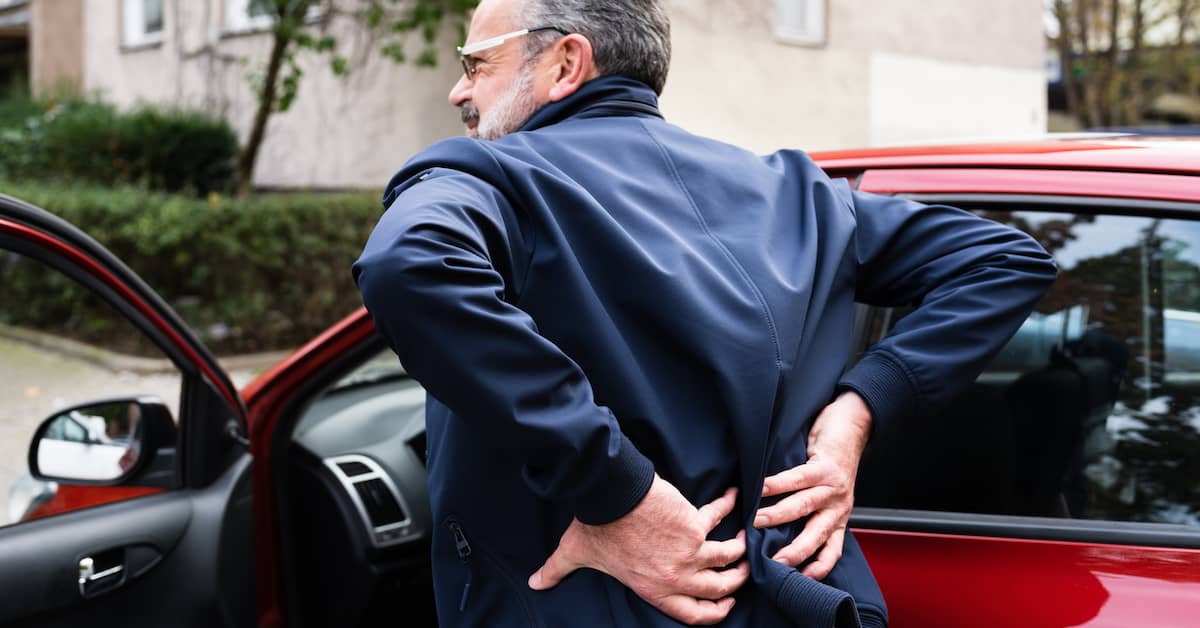
A car accident can cause a range of injuries, including damage to the vestibular system, which controls balance and spatial orientation. If you’ve been feeling dizzy, off-balance, or experiencing vertigo after a collision, you may have sustained a vestibular injury after an auto accident. Understanding the symptoms and seeking proper treatment is essential for recovery.
Get Appointment
Complete the Form Below and We’ll Get Back to you Immediately.
What Is a Vestibular Injury?
The vestibular system, located in the inner ear, helps regulate balance and coordination. Trauma from an auto accident—such as a sudden jolt, whiplash, or direct impact—can disrupt this system, leading to persistent dizziness and other complications. Common types of vestibular injuries include:
Benign Paroxysmal Positional Vertigo (BPPV)
Caused by displaced inner ear crystals, leading to sudden dizziness.
Vestibular Concussion
Trauma-induced dysfunction of the inner ear, resulting in balance issues and nausea.
Labyrinthine Concussion
Damage to the inner ear structures affecting hearing and balance.
Post-Traumatic Ménière’s Disease
A condition that can develop after head trauma, causing vertigo, tinnitus, and hearing loss.
Cervicogenic Dizziness
Often associated with whiplash, this condition arises from dysfunction in the cervical spine affecting the vestibular system.
Perilymphatic Fistula
A tear or defect in the membranes separating the middle and inner ear, leading to dizziness, imbalance, and hearing disturbances.
Symptoms of Vestibular Injury After an Auto Accident
Many of these symptoms can worsen over time if left untreated, leading to long-term discomfort and disruption of daily activities. If you are experiencing any of these issues following an auto accident, it’s crucial to seek medical evaluation to determine the extent of the injury and receive appropriate care.
Diagnosis and Treatment Options
At Comprehensive Accident and Injury Center, we specialize in diagnosing and treating vestibular injuries caused by auto accidents. Our team utilizes advanced diagnostic tools to assess inner ear function and develop personalized treatment plans.
How Is a Vestibular Injury Diagnosed?
A thorough evaluation is essential to pinpoint the exact cause of your symptoms. Our specialists may perform:
Vestibular Function Tests
Assessing how your inner ear and brain communicate to maintain balance.
Videonystagmography (VNG)
Measuring involuntary eye movements to evaluate vestibular function.
Posturography
Analyzing your ability to maintain balance under different conditions.
Hearing Tests
Checking for inner ear damage related to your injury.
Neurological Assessments
Identifying any underlying nerve or brain dysfunction.
Common Treatments for Vestibular Injuries:
Vestibular Rehabilitation Therapy (VRT)
A series of exercises designed to retrain the brain and improve balance.
Canalith Repositioning Maneuvers
Techniques like the Epley maneuver to address BPPV.
Chiropractic Care
Adjustments that may help relieve symptoms related to neck injuries affecting the vestibular system.
Physical Therapy
Strength and coordination exercises to enhance stability.
Medication
In some cases, medication may help alleviate dizziness or nausea.
Lifestyle Modifications
Dietary changes, hydration, and stress management techniques to reduce symptom severity.
Cervical Spine Therapy
Addressing misalignments and tension in the neck that may contribute to dizziness and imbalance.
Why Choose Comprehensive Accident and Injury Center?
At Comprehensive Accident and Injury Center, we specialize in treating victims of car accidents and have the training and experience to diagnose injuries that many other medical professionals might miss. Vestibular injuries are often overlooked in emergency room visits, as symptoms may take hours or days to appear. Our team is dedicated to identifying these hidden injuries and providing targeted treatment to promote full recovery.
We understand the complexities of auto accident-related injuries, from whiplash to concussions and inner ear trauma. Our patient-centered approach ensures that you receive the comprehensive care needed to restore your balance, alleviate dizziness, and regain your quality of life. If you or a loved one is experiencing symptoms of a vestibular injury after an auto accident, don’t wait to seek help.
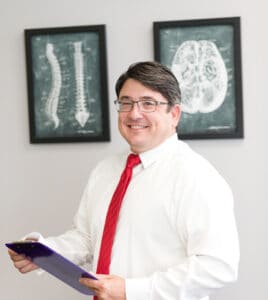
Dr. Jack Norsworthy is a Doctor of Chiropractic Medicine and Founder of the Comprehensive Accident and Injury Center. He's passionate about providing the highest quality of Chiropractic care in Delaware and surrounding communities. Check back for more updates from Doctor Norsworthy as he shares more information about musculoskeletal injuries, Chiropractic care, and healthy lifestyle habits.
Dr. Jack Norsworthy
Dr. Jack Norsworthy is a Doctor of Chiropractic Medicine and Founder of the Comprehensive Accident and Injury Center. He's passionate about providing the highest quality of Chiropractic care in Delaware and surrounding communities. Check back for more updates from Doctor Norsworthy as he shares more information about musculoskeletal injuries, Chiropractic care, and healthy lifestyle habits.
A car accident can lead to serious injuries, especially when passengers have their feet on the dashboard. Dashboard injuries, particularly dashboard knee injuries, are common in high-impact collisions and can have long-term consequences if not properly treated. Understanding the risks, symptoms, and available treatments is crucial for a full recovery.
What is a Dashboard Injury?
A dashboard injury occurs when a passenger’s knees, legs, or other body parts forcefully hit the dashboard during a crash. The most common type is a dashboard knee injury, where the knee is driven backward due to impact, causing damage to the patella (kneecap), ligaments, or other structures within the joint.
These injuries often happen in front-seat passengers who do not wear seat belts properly or who brace themselves against the dashboard at the moment of impact. When a vehicle stops suddenly due to a collision, the body continues moving forward with significant force, leading to severe trauma.
Get Appointment
Complete the Form Below and We’ll Get Back to you Immediately.
The Dangers of Having Feet on the Dashboard
Riding with your feet on the dashboard significantly increases the risk of severe injuries in an accident. If the airbags deploy while your feet are elevated, the force can cause devastating injuries, including fractures, dislocations, and even spinal trauma. A feet on dashboard airbag injury can lead to long-term mobility issues, making it critical to seek medical care immediately.
When the airbag deploys, it inflates at speeds of up to 200 miles per hour. If a passenger’s legs are resting on the dashboard, the explosive force can propel their knees toward their face or twist their lower body into unnatural positions. Common consequences of this type of injury include:
Compound fractures in the femur, tibia, or fibula
Pelvic fractures that may require surgery
Spinal injuries, including herniated discs or nerve damage
Facial fractures caused by the knees being driven into the head
These injuries can lead to extended hospital stays, multiple surgeries, and a lengthy rehabilitation process. It is crucial for passengers to always keep their feet on the floor and wear seat belts correctly to prevent these types of injuries.
Common Dashboard Injuries
Dashboard Knee Injury
Damage to the knee joint, including ligament tears (ACL, PCL), fractures, and dislocations.
Feet on Dashboard Injury
Severe leg, hip, and spine injuries resulting from improper positioning during a crash.
Head and Facial Trauma
If the airbag deploys, it can forcefully propel the knees into the face, causing facial fractures and head trauma.
Hip Dislocations
The impact can push the femur out of its socket, leading to extreme pain and difficulty walking.
Broken Ribs and Chest Trauma
If the force of impact is strong enough, it can cause fractures in the ribs and potential internal injuries.
Symptoms of a Dashboard Injury
Depending on the severity of the injury, symptoms may vary. However, some common signs include:
Swelling and bruising around the knees or legs
Severe pain when moving the affected area
Difficulty bearing weight on the injured leg
Popping or locking sensations in the knee
Numbness or tingling in the lower extremities
Headaches or dizziness due to head trauma
If you experience any of these symptoms after an accident, it is crucial to seek medical attention immediately. Delaying treatment can lead to complications, prolonged pain, and even permanent disability.
Seeking Treatment for Dashboard Injuries
At Comprehensive Accident and Injury Center, we specialize in diagnosing and treating dashboard-related injuries. Our team provides personalized care to ensure proper healing and long-term recovery. Treatments may include:
Diagnostic Imaging – X-rays, MRIs, and CT scans to assess the extent of injury.
Physical Therapy – Restoring mobility, strength, and function after a knee or leg injury.
Chiropractic Care – Aligning the spine and joints to promote natural healing.
Pain Management – Medication, injections, and holistic therapies to relieve discomfort.
Surgical Intervention – In severe cases, surgery may be required to repair fractures or ligament damage.
Our team will create a personalized treatment plan based on the severity of your injury to help you recover as quickly and safely as possible.
How Comprehensive Accident and Injury Center Can Help
At Comprehensive Accident and Injury Center, we are dedicated to helping victims of car accident injuries get the care they need for a full recovery. Our experienced medical professionals understand the complexities of accident-related injuries and provide comprehensive evaluations to ensure no underlying conditions are missed. We offer a range of treatment options tailored to each patient’s specific needs, from chiropractic care and physical therapy to advanced pain management techniques. Whether you are dealing with a dashboard injury, whiplash, or other musculoskeletal trauma, our goal is to help you regain function and improve your quality of life through expert, compassionate care.
Preventing Dashboard Injuries
While accidents are sometimes unavoidable, there are steps you can take to reduce the risk of sustaining a dashboard injury:
Always wear your seatbelt properly, with the lap belt low on your hips and the shoulder belt across your chest.
Never rest your feet on the dashboard while in a moving vehicle.
Adjust your seat position to ensure there is adequate space between your knees and the dashboard.
Follow speed limits and avoid distracted driving to minimize the chances of a crash.
By practicing safe driving and passenger habits, you can significantly decrease the likelihood of suffering from a serious dashboard injury.
Contact Us for Expert Care
If you or a loved one has suffered a dashboard injury, don’t wait to seek treatment. Comprehensive Accident and Injury Center provides expert care to help you recover and regain mobility. Contact us today to schedule a consultation and start your journey toward healing.
Dr. Jack Norsworthy
Dr. Jack Norsworthy is a Doctor of Chiropractic Medicine and Founder of the Comprehensive Accident and Injury Center. He's passionate about providing the highest quality of Chiropractic care in Delaware and surrounding communities. Check back for more updates from Doctor Norsworthy as he shares more information about musculoskeletal injuries, Chiropractic care, and healthy lifestyle habits.
Dr. Jack Norsworthy
Dr. Jack Norsworthy is a Doctor of Chiropractic Medicine and Founder of the Comprehensive Accident and Injury Center. He's passionate about providing the highest quality of Chiropractic care in Delaware and surrounding communities. Check back for more updates from Doctor Norsworthy as he shares more information about musculoskeletal injuries, Chiropractic care, and healthy lifestyle habits.
If you are experiencing hip pain after a car accident, it is crucial to seek medical attention as soon as possible. The hip is one of the body’s largest and most complex joints, responsible for supporting your weight and allowing fluid movement. Due to its central role in mobility, any trauma to the hip can lead to serious complications, including chronic pain, reduced range of motion, and difficulty walking.
Car accidents often subject the body to intense forces that can cause immediate pain or lead to delayed symptoms appearing days or even weeks later. Even if you don’t feel pain right away, underlying damage may exist, making it essential to undergo a thorough evaluation by a healthcare professional.
Get Appointment
Complete the Form Below and We’ll Get Back to you Immediately.
Key Takeaways
Hip pain after a car accident can be caused by fractures, dislocations, soft tissue injuries, or nerve damage.
Symptoms may include persistent pain, swelling, difficulty walking, or numbness in the hip or leg.
Without treatment, hip injuries can lead to long-term mobility issues and chronic pain.
Seeking prompt medical attention can improve recovery outcomes and prevent complications.
Comprehensive Accident and Injury Center offers expert diagnosis and treatment for hip-related injuries.
Common Causes of Hip Pain After an Auto Accident
There are several ways a car crash can result in hip pain. The impact of a collision can force the hip joint into unnatural positions, causing damage to bones, muscles, ligaments, or nerves. One of the most serious injuries is a hip fracture, which typically occurs when the femur—the thigh bone—breaks near the hip joint. This injury is extremely painful and may require surgery to repair.
Hip dislocation is another possible outcome of a car accident, occurring when the ball of the femur is pushed out of its socket. This can damage surrounding ligaments and nerves, leading to intense pain, numbness, and loss of function in the leg. In some cases, individuals may also experience a labral tear, which affects the cartilage surrounding the hip joint. Labral tears can cause a deep ache in the hip, clicking sensations, and instability.
Soft tissue injuries, such as sprains and strains, are also common after a crash. These injuries may not be immediately visible but can cause persistent discomfort and stiffness over time. Additionally, damage to the sciatic nerve—one of the longest nerves in the body—can lead to radiating pain from the hip down the leg, making everyday movements difficult.
Signs You Should Seek Medical Attention
Not all hip injuries present immediate symptoms, which is why it’s important to monitor how your body responds in the days following an accident. If you notice any of the following, it may indicate a more serious underlying issue:
Persistent hip pain that worsens with movement
Swelling, bruising, or tenderness around the hip joint
Difficulty walking or bearing weight on the affected leg
Clicking, popping, or instability in the hip
Numbness, tingling, or radiating pain down the leg
Ignoring these symptoms can lead to long-term complications, such as chronic pain and mobility issues, making recovery more difficult. Seeking professional evaluation as soon as possible can help prevent worsening conditions.
How Comprehensive Accident and Injury Center Can Help
At Comprehensive Accident and Injury Center, we understand how debilitating hip pain after a car accident can be. Our team is dedicated to providing personalized care that targets the root cause of your pain, helping you regain mobility and function. Through a thorough evaluation, we can determine the extent of your injury and create a customized treatment plan that meets your specific needs.
Our approach may include chiropractic care to realign the spine and pelvis, reducing pressure on the hip joint and surrounding tissues. We also offer physical therapy, which focuses on strengthening and stretching the muscles around the hip to restore movement and stability. For individuals experiencing severe pain, pain management techniques, such as non-invasive therapies and regenerative medicine, may be used to promote healing and alleviate discomfort.
Each patient’s recovery journey is unique, and we are committed to providing comprehensive support every step of the way. Whether your injury requires hands-on therapy, rehabilitation exercises, or advanced treatment options, we are here to help you recover as quickly and effectively as possible.
Schedule an Appointment Today
Living with hip pain after a car accident can significantly impact your quality of life, making even simple tasks challenging. Seeking treatment early can prevent long-term complications and ensure a smoother recovery process. If you are experiencing hip pain following an auto accident, don’t wait for the discomfort to worsen.
Dr. Jack Norsworthy is a Doctor of Chiropractic Medicine and Founder of the Comprehensive Accident and Injury Center. He's passionate about providing the highest quality of Chiropractic care in Delaware and surrounding communities. Check back for more updates from Doctor Norsworthy as he shares more information about musculoskeletal injuries, Chiropractic care, and healthy lifestyle habits.
Dr. Jack Norsworthy
Dr. Jack Norsworthy is a Doctor of Chiropractic Medicine and Founder of the Comprehensive Accident and Injury Center. He's passionate about providing the highest quality of Chiropractic care in Delaware and surrounding communities. Check back for more updates from Doctor Norsworthy as he shares more information about musculoskeletal injuries, Chiropractic care, and healthy lifestyle habits.
Being rear-ended can be a shocking and stressful experience. Even if the accident seems minor, taking the right steps can help protect your health, legal rights, and financial future. Many injuries from rear-end collisions, such as whiplash or concussions, may not present symptoms immediately, making it essential to seek medical attention from professionals experienced in treating car accident injuries.
At Comprehensive Accident and Injury Center, we specialize in diagnosing and treating injuries caused by car accidents. Our team is trained to identify hidden injuries, including concussions and spinal misalignments, to ensure you receive the proper care for a full recovery.
Get Appointment
Complete the Form Below and We’ll Get Back to you Immediately.
What to Do If You Get Rear-Ended
Step 1: Check for Injuries
Your safety should always come first. If you or anyone else involved in the accident is seriously injured, call 911 immediately. Even if you don’t feel pain right away, injuries such as whiplash, concussions, and soft tissue damage can take hours or days to develop.
Common Injuries from Rear-End Collisions:
Whiplash – Neck strain caused by a sudden back-and-forth movement
Concussions – Head trauma that may cause dizziness, headaches, or nausea
Soft tissue injuries – Damage to muscles, ligaments, or tendons
Back injuries – Herniated discs and spinal misalignments that can cause long-term pain
If you experience any discomfort, dizziness, or confusion after the accident, seek medical attention immediately.
Step 2: Move to a Safe Location
If the accident is minor and your vehicle is drivable, move to a safe location, such as the shoulder of the road or a nearby parking lot, to prevent further collisions. Turn on your hazard lights to warn other drivers.
Step 3: Call the Police
Even if the damage seems minimal, it is important to report the accident to the police. A police report serves as an official record of the incident, which can be helpful when filing an insurance claim or seeking compensation for medical expenses.
Step 4: Exchange Information
Gather the following details from the other driver:
Name and contact information
Insurance company and policy number
Driver’s license number
Contact information for any witnesses
Step 5: Document the Accident Scene
Take clear photos and videos of:
Vehicle damage from multiple angles
Road conditions, traffic signs, and signals
Any visible injuries
The other driver’s license plate and insurance card
This documentation can be critical when filing an insurance claim or pursuing legal action.
Step 6: Seek Medical Attention Right Away
Even if you feel fine, seeing a medical professional who specializes in car accident injuries is essential. Some injuries do not show immediate symptoms but can worsen over time if left untreated.
Why You Should Visit Comprehensive Accident and Injury Center
At Comprehensive Accident and Injury Center, we provide specialized medical care for car accident victims, including:
Comprehensive Injury Assessments
A full-body evaluation to detect hidden injuries
Concussion Screenings
Advanced diagnostic tools to identify head trauma, even if symptoms are mild
Whiplash and Soft Tissue Treatment
Therapies to reduce inflammation, improve mobility, and prevent long-term pain
Chiropractic and Physical Therapy Services
Non-invasive treatments to correct spinal misalignments and strengthen injured muscles
Personalized Recovery Plans
Individualized treatment to promote healing and pain relief
Ignoring injuries after an accident can lead to chronic pain and long-term health issues. Our team of experienced professionals will ensure you get the proper diagnosis and treatment for a full recovery.
Step 7: Notify Your Insurance Company
Report the accident to your insurance provider as soon as possible. Provide all necessary documentation, including the police report, photos, and witness statements. Be honest about the accident but avoid speculating about your injuries until you have been evaluated by a medical professional.
Step 8: Monitor Your Symptoms and Follow Up on Medical Care
In the days following the accident, pay close attention to any changes in your health, including:
Neck or back stiffness
Persistent headaches
Difficulty concentrating
Numbness or tingling in the arms or legs
If you experience any of these symptoms, schedule a follow-up appointment at Comprehensive Accident and Injury Center to ensure you receive the appropriate treatment. Delayed care can lead to complications that may affect your long-term well-being.
What to Do When You Get Rear-Ended? Visit Comprehensive Accident and Injury Center
At Comprehensive Accident and Injury Center, we understand the physical and emotional toll a car accident can have on your life. Our team specializes in diagnosing and treating injuries caused by rear-end collisions, ensuring that you receive the best possible care.Whether you need concussion screenings, chiropractic care, physical therapy, or pain management, we are here to help. Don’t ignore potential injuries—our experts will create a personalized treatment plan to help you recover and regain your quality of life.
Schedule Your Evaluation Today
If you have been rear-ended, don’t wait for symptoms to appear before seeking medical attention. Contact Comprehensive Accident and Injury Center today to schedule a thorough evaluation.Your health is too important to ignore. Let our experienced team help you heal and get back to living pain-free.
Dr. Jack Norsworthy
Dr. Jack Norsworthy is a Doctor of Chiropractic Medicine and Founder of the Comprehensive Accident and Injury Center. He's passionate about providing the highest quality of Chiropractic care in Delaware and surrounding communities. Check back for more updates from Doctor Norsworthy as he shares more information about musculoskeletal injuries, Chiropractic care, and healthy lifestyle habits.
Dr. Jack Norsworthy
Dr. Jack Norsworthy is a Doctor of Chiropractic Medicine and Founder of the Comprehensive Accident and Injury Center. He's passionate about providing the highest quality of Chiropractic care in Delaware and surrounding communities. Check back for more updates from Doctor Norsworthy as he shares more information about musculoskeletal injuries, Chiropractic care, and healthy lifestyle habits.
Experiencing ringing in your ears after a car accident can be alarming. This condition, known as tinnitus, is a common symptom following traumatic events and can significantly impact your quality of life. At Comprehensive Accident and Injury Center, we understand how important it is to address these symptoms promptly and effectively.
Get Appointment
Complete the Form Below and We’ll Get Back to you Immediately.
Causes of Tinnitus After a Car Accident
Ringing in the ears after a car accident can result from a variety of factors. Whiplash injuries, for example, involve sudden jerking movements that can strain the neck and head, potentially disrupting nerves and blood flow to the inner ear. Head trauma, even in mild cases, is another frequent cause, as it can lead to damage in the brain or auditory pathways. Additionally, the loud noises associated with the crash may cause acoustic trauma, damaging the delicate structures in the inner ear. Finally, the emotional aftermath of an accident, including stress and anxiety, can amplify or even trigger tinnitus symptoms.
Symptoms to Watch For
If you experience tinnitus after a car accident, it’s important to monitor for additional symptoms. These may include:
Hearing loss or heightened sensitivity to sound.
Dizziness or balance issues.
Ear pain or a sensation of fullness.
These symptoms might appear immediately after the accident or develop gradually over time. Ignoring them could lead to complications that worsen your condition and interfere with your daily life.
Why Prompt Treatment Matters
Seeking medical attention as soon as possible after an accident is essential, even if the symptoms seem mild. Early detection can help identify underlying issues like tinnitus, whiplash, or head trauma before they escalate. Without timely care, tinnitus can become a chronic problem, leading to persistent discomfort, sleep disturbances, and mental health challenges such as anxiety or depression.
Addressing these injuries promptly ensures you receive the appropriate care for both immediate relief and long-term wellness. Neglecting to seek treatment can allow symptoms to progress, complicating recovery and potentially reducing your quality of life.
Effective Treatment Options
If you’re experiencing tinnitus, a range of treatment options can help address the underlying causes and alleviate symptoms. Chiropractic care, for example, focuses on correcting misalignments in the neck and spine, which can improve nerve function and reduce tinnitus. Therapeutic exercises that strengthen and stabilize the neck and surrounding muscles may also help relieve whiplash-induced tinnitus.
Stress management is another important component of treatment. Mindfulness techniques, counseling, or relaxation exercises can significantly reduce the impact of stress-induced tinnitus. For more complex cases, hearing tests and consultations with specialists such as audiologists or ENT doctors may be necessary. These professionals can provide advanced diagnostic tools and treatments tailored to your specific needs.
How Comprehensive Accident and Injury Center Can Help
Our experienced team specializes in treating accident-related injuries, including tinnitus. At Comprehensive Accident and Injury Center, we emphasize a thorough evaluation process to pinpoint the root causes of your symptoms. This allows us to create a personalized care plan that addresses both your immediate discomfort and any long-term concerns.
Our holistic approach combines:
Chiropractic adjustments to address spinal misalignments.
Therapeutic exercises to strengthen and stabilize the neck.
Stress management techniques to reduce the impact of emotional and physical stress.
Referrals to specialists, such as audiologists, for advanced care when needed.
Our goal is to support your recovery every step of the way, ensuring that you regain your health and well-being as quickly as possible.
Take the Next Step
If you’re experiencing ringing in your ears after a car accident, don’t wait for symptoms to worsen. Delaying treatment can lead to complications that make recovery more difficult. Contact Comprehensive Accident and Injury Center today to schedule an evaluation and begin your journey to wellness. The sooner you seek care, the better your chances of a full and swift recovery.
Dr. Jack Norsworthy
Dr. Jack Norsworthy is a Doctor of Chiropractic Medicine and Founder of the Comprehensive Accident and Injury Center. He's passionate about providing the highest quality of Chiropractic care in Delaware and surrounding communities. Check back for more updates from Doctor Norsworthy as he shares more information about musculoskeletal injuries, Chiropractic care, and healthy lifestyle habits.
Dr. Jack Norsworthy
Dr. Jack Norsworthy is a Doctor of Chiropractic Medicine and Founder of the Comprehensive Accident and Injury Center. He's passionate about providing the highest quality of Chiropractic care in Delaware and surrounding communities. Check back for more updates from Doctor Norsworthy as he shares more information about musculoskeletal injuries, Chiropractic care, and healthy lifestyle habits.
If you’re wondering, “can a car accident cause a herniated disc?” or “can a car accident cause a bulging disc?” the answer is yes. Car accidents are a leading cause of spinal injuries, including herniated and bulging discs. The forceful impact of a collision can place immense pressure on your spine, causing the soft discs between your vertebrae to bulge or even rupture. Understanding how these injuries occur and recognizing their symptoms is vital for prompt treatment and recovery.
Get Appointment
Complete the Form Below and We’ll Get Back to you Immediately.
Can You Get a Herniated Disc from a Car Accident?
Yes, you can get a herniated disc from a car accident. Herniated discs occur when the soft inner material of a spinal disc pushes through a tear in the outer layer. The violent motion during a collision can result in this type of injury, especially if the accident involves high speeds, abrupt stops, or direct trauma to the spine. This type of injury is common in rear-end collisions, where the sudden jolt can strain or damage the spinal discs.
Can a Car Accident Cause a Bulging Disc?
Similarly, a car accident can cause a bulging disc. Unlike a herniated disc, a bulging disc occurs when the outer layer of the disc protrudes outward but does not rupture. While less severe than a herniation, a bulging disc can still lead to significant discomfort and nerve compression if it presses on surrounding tissues.
Can a Car Accident Cause Degenerative Disc Disease?
While degenerative disc disease (DDD) is primarily caused by age-related wear and tear, a car accident can exacerbate the condition or accelerate its onset. Pre-existing DDD may worsen after a collision due to added stress on the spine. Additionally, an injury sustained in an accident can make spinal degeneration more symptomatic, causing pain and limited mobility.
Common Causes of Disc Injuries in Car Accidents
Disc injuries often result from the sudden forces exerted on the body during a car accident. These forces may cause:
Hyperflexion or hyperextension of the spine (whiplash)
Compression of the spinal discs
Direct trauma to the back or neck
Twisting motions that strain the spine
The severity of the injury depends on factors like the speed of the vehicles, the angle of impact, and whether seat belts or airbags were used.
Understanding the Difference Between Bulging Discs and Herniated Discs
Both bulging and herniated discs are spinal injuries, but they differ in severity and structure:
Bulging Disc: A bulging disc occurs when the outer layer of the disc protrudes outward but remains intact. It may compress nearby nerves, causing pain and discomfort. Bulging discs are often less symptomatic but can lead to chronic pain if left untreated.
Herniated Disc: A herniated disc involves a tear in the outer layer, allowing the soft inner material to leak out. This can irritate or compress spinal nerves, often resulting in more intense symptoms compared to a bulging disc. Herniated discs are more likely to require medical intervention.
Symptoms of Bulging or Herniated Discs
If you suspect a spinal injury after a car accident, watch for these symptoms:
Pain in the neck, back, or lower spine
Radiating pain in the arms or legs
Tingling, numbness, or weakness in the extremities
Difficulty standing, sitting, or walking for extended periods
Muscle spasms or tightness
Limited range of motion in the back or neck
These symptoms may develop immediately after the accident or gradually over time as inflammation and nerve compression worsen.
Diagnosis and Treatment Options Available at Our Clinic
At Comprehensive Accident and Injury Center, we utilize state-of-the-art diagnostics, including on-site X-rays, to identify disc injuries and other spinal issues. Early diagnosis is crucial to preventing long-term complications and ensuring effective treatment.
Treatment options for bulging and herniated discs may include:
Physical therapy to strengthen supporting muscles and improve mobility
Pain management techniques, such as heat or ice therapy
Non-invasive decompression therapies to alleviate nerve compression
Lifestyle modifications, including posture correction and ergonomic adjustments
In severe cases, surgical intervention may be necessary, but our goal is always to prioritize non-surgical solutions.
Why Get Screened After a Car Accident?
Even if you feel fine immediately after a car accident, spinal injuries like herniated or bulging discs may not present symptoms right away. Comprehensive Accident and Injury Center offers on-site X-rays to help identify potential disc injuries promptly. Early diagnosis is crucial for effective treatment and to prevent long-term complications. Identifying and addressing these injuries early can help prevent chronic pain and mobility issues.
Our experienced chiropractors and physical therapists specialize in treating car accident victims. We create personalized care plans to address your injuries and help you recover. By addressing the root cause of your pain, we aim to restore your quality of life and help you return to normal activities as quickly as possible.
Don’t Gamble with Your Health – Visit Comprehensive Accident and Injury Center
Don’t wait to address potential spinal injuries after a car accident. Schedule a screening at Comprehensive Accident and Injury Center today. Our state-of-the-art diagnostics and dedicated team are here to support your recovery journey. Whether you’re dealing with a bulging disc, herniated disc, or other spinal injuries, we’re committed to helping you heal and feel your best.
Dr. Jack Norsworthy
Dr. Jack Norsworthy is a Doctor of Chiropractic Medicine and Founder of the Comprehensive Accident and Injury Center. He's passionate about providing the highest quality of Chiropractic care in Delaware and surrounding communities. Check back for more updates from Doctor Norsworthy as he shares more information about musculoskeletal injuries, Chiropractic care, and healthy lifestyle habits.
Dr. Jack Norsworthy
Dr. Jack Norsworthy is a Doctor of Chiropractic Medicine and Founder of the Comprehensive Accident and Injury Center. He's passionate about providing the highest quality of Chiropractic care in Delaware and surrounding communities. Check back for more updates from Doctor Norsworthy as he shares more information about musculoskeletal injuries, Chiropractic care, and healthy lifestyle habits.