
Car accidents can cause a wide range of injuries, from whiplash and back pain to fractures and concussions. However, some of the most frustrating symptoms are those you can’t always see. If you’ve been experiencing numbness, tingling, burning pain, or weakness after a collision, you may be dealing with nerve damage after a car accident.
Nerve injuries can affect nearly every aspect of daily life, making it difficult to work, drive, exercise, or even perform simple tasks. In some cases, symptoms appear immediately. In others, they may develop days or even weeks after the accident.
Understanding the signs of nerve damage and knowing when to seek treatment can help you take the right steps toward recovery.
Get Appointment
Complete the Form Below and We’ll Get Back to you Immediately.
Key Takeaways
- Nerve damage after a car accident can cause numbness, tingling, weakness, burning pain, and radiating discomfort.
- Whiplash, herniated discs, and soft tissue injuries can all contribute to nerve compression.
- Symptoms may not appear immediately and can develop days or weeks after a collision.
- Early diagnosis may help prevent long-term complications.
- Treatment options vary depending on the severity and cause of the injury.
Can a Car Accident Cause Nerve Damage?
Yes. The force generated during a motor vehicle collision can place significant stress on the body’s muscles, joints, discs, and nerves.
Nerves act as communication pathways between your brain and the rest of your body. When they become stretched, compressed, inflamed, or damaged, they may not function properly. As a result, you may experience symptoms ranging from mild tingling to severe pain and muscle weakness.
Even relatively low-speed collisions can cause injuries that affect nearby nerves, particularly in the neck, back, shoulders, arms, and legs.
What Is a Pinched Nerve?
A pinched nerve occurs when surrounding tissues place excessive pressure on a nerve.
After a car accident, this pressure may come from inflamed muscles, swollen tissues, joint dysfunction, or a herniated disc. As the nerve becomes compressed, it may struggle to transmit signals normally, leading to a variety of symptoms.
Many people use the term “pinched nerve” to describe radiating pain, numbness, or tingling that travels into the arms or legs. While a pinched nerve is a common form of nerve injury, it is not the only type of nerve damage that can occur after a collision.
Signs and Symptoms of Nerve Damage After a Car Accident
The symptoms of nerve damage can vary depending on which nerve is affected and how severe the injury is.
One of the most common symptoms is numbness. You may notice a loss of sensation in your hands, fingers, arms, feet, or legs. Some people describe the feeling as though a body part has “fallen asleep.”
Tingling or pins-and-needles sensations are also common. These symptoms may come and go initially but can become more persistent if the underlying cause is not addressed.
Many patients experience burning, shooting, or electric-like pain that travels along the path of the affected nerve. This type of pain often feels different from typical muscle soreness and may worsen with certain movements.
Weakness is another warning sign. If you find it difficult to grip objects, lift your arm, climb stairs, or perform routine activities, nerve involvement may be contributing to your symptoms.

Common Causes of Nerve Damage After a Car Accident
Several accident-related injuries can affect the nerves.
Whiplash Injuries
Whiplash occurs when the head and neck are suddenly forced forward and backward during a collision. While whiplash is commonly associated with neck pain and stiffness, it can also irritate or compress nearby nerves.
When nerves in the cervical spine become affected, symptoms may travel into the shoulders, arms, hands, or fingers.
Herniated or Bulging Discs
The discs between your vertebrae act as cushions that absorb shock and allow movement. A car accident can cause these discs to bulge or herniate, placing pressure on nearby nerves.
Depending on the location of the injury, symptoms may radiate into the arms or legs.
Soft Tissue Injuries
Inflammation and swelling within muscles, ligaments, and connective tissues can also contribute to nerve compression. As swelling increases, nearby nerves may become irritated, leading to numbness, tingling, or pain.
Direct Trauma
In some cases, nerves can be directly injured during a collision due to impact forces, fractures, or severe soft tissue damage.
Delayed Symptoms of Nerve Damage
Many people expect symptoms to appear immediately after an accident, but that is not always the case.
Adrenaline often masks pain in the hours following a collision. As inflammation develops and injured tissues begin to swell, pressure on the nerves may increase. This can cause symptoms to appear days or even weeks later.
If you’ve recently been involved in an accident and notice new numbness, tingling, weakness, or radiating pain, it’s important to seek medical attention even if you initially felt fine.
When Should You Seek Medical Attention?
Any new neurological symptoms should be taken seriously.
You should seek prompt medical evaluation if you experience persistent numbness, tingling, weakness, or pain that radiates into your arms or legs. These symptoms may indicate nerve compression or another injury that requires treatment.
Immediate medical attention is especially important if symptoms are rapidly worsening or accompanied by significant weakness, loss of coordination, or changes in bladder or bowel function.
How Is Nerve Damage Diagnosed?
Diagnosing nerve damage typically begins with a thorough evaluation of your symptoms, medical history, and accident details.
Your healthcare provider may assess muscle strength, sensation, reflexes, range of motion, and neurological function. Depending on your symptoms, additional testing may be recommended.
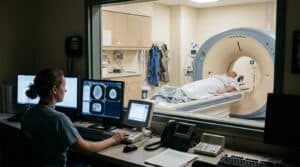
Diagnostic imaging such as MRI scans can help identify herniated discs and other structural problems. In some cases, nerve conduction studies or electromyography (EMG) may be used to evaluate how well nerves are functioning.
Accurate diagnosis is essential because treatment recommendations depend on the specific cause of the injury.
Treatment Options for Nerve Damage After a Car Accident
The best treatment approach depends on the severity of the injury and the structures involved.
Many patients benefit from conservative treatment options designed to reduce inflammation, improve mobility, and relieve pressure on affected nerves.
Physical therapy is commonly used to strengthen supporting muscles, improve movement patterns, and reduce stress on injured tissues.
Chiropractic care may also help some individuals by addressing joint dysfunction, improving spinal mobility, and reducing mechanical irritation affecting nearby nerves.
More severe injuries may require additional interventions, including pain management procedures or surgical consultation.

What Does the Research Say?
Research suggests that many cases of nerve-related pain can improve with conservative treatments like chiropractic manipulation and stabilization exercises. A retrospective review published in the Journal of Chiropractic Medicine evaluated 162 patients with cervical and lumbar radiculopathy, a condition that occurs when spinal nerve roots become irritated or compressed. Common symptoms included numbness, tingling, burning pain, weakness, and radiating discomfort into the arms or legs.
The researchers found that 85.8% of patients experienced resolution of their primary radicular complaints following a nonsurgical treatment approach that included chiropractic care, neuromobilization, and stabilization exercises. Patients reported symptom improvement after an average of 4.2 days, with most completing approximately nine treatment sessions.
The authors concluded that conservative management may be a viable treatment option for many individuals experiencing nerve-related symptoms.
Don’t Ignore Numbness or Tingling After a Car Accident
Numbness, tingling, burning pain, and weakness are not symptoms you should ignore after a collision. While they may indicate a pinched nerve, they can also be signs of more significant injuries affecting the spine or nervous system.
The sooner nerve-related symptoms are evaluated, the sooner you can begin an appropriate treatment plan and reduce the risk of long-term complications.
At Comprehensive Accident & Injury Center (CAIC), our team helps patients identify and treat accident-related injuries, including those affecting the nerves, neck, and spine. If you’re experiencing symptoms after a collision, get in touch today. We’re here to help you understand your options and support your recovery.
Frequently Asked Questions
Yes. The force of a collision can stretch, compress, or irritate nerves, leading to symptoms such as numbness, tingling, weakness, and pain. These symptoms may appear immediately or develop over time.
Nerve damage often causes numbness, tingling, burning pain, muscle weakness, or electric-like sensations. Some people also experience pain that radiates into their arms, hands, legs, or feet.
Yes. Whiplash can irritate nerves in the neck or contribute to conditions such as herniated discs that place pressure on nearby nerve roots. This may lead to symptoms extending beyond the neck itself.
Common signs include numbness, tingling, weakness, shooting pain, or symptoms that travel down an arm or leg. The location of the symptoms often depends on which nerve is affected.
Yes. Inflammation and swelling often develop gradually after a collision, which is why symptoms sometimes appear days or even weeks later. Any new neurological symptoms should be evaluated by a healthcare professional.

Comprehensive Accident and Injury Center