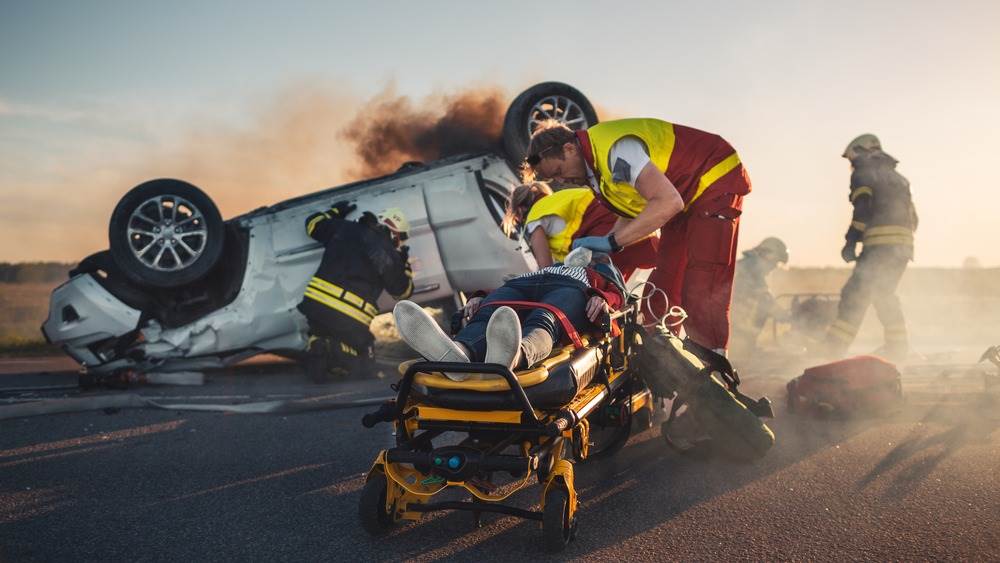
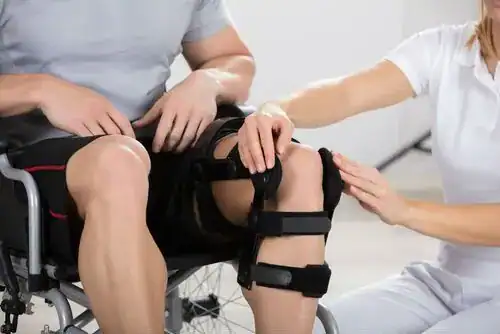
Knee pain is a common but often overlooked issue following a collision. A car accident knee injury can occur when the knee strikes the dashboard, twists during impact, or absorbs force through the legs at the moment of collision. Even when symptoms seem mild at first, underlying damage to ligaments, joints, or soft tissue can lead to ongoing discomfort and limited mobility.
At Comprehensive Accident and Injury Center, we evaluate patients with knee injuries after auto accidents and develop treatment plans focused on restoring movement, reducing pain, and supporting long-term recovery.
Get Appointment
Complete the Form Below and We’ll Get Back to you Immediately.
Key Takeaways
Knee injuries are common in car accidents due to impact and sudden force
Symptoms may appear immediately or develop over time
Ligaments, cartilage, and soft tissue can all be affected
Early evaluation helps prevent long-term complications
Rehabilitation plays a key role in restoring strength and mobility
How a Car Accident Knee Injury Occurs
During a collision, the body is subjected to sudden and forceful movement. The knees may absorb impact directly or become strained as the legs brace against the floorboard or pedals.
In many cases, the knee may strike the dashboard, which can cause joint compression or ligament strain. Twisting movements during the accident can also place stress on the internal structures of the knee.
Even if there is no visible injury, these forces can lead to inflammation and instability within the joint.
Common Symptoms After a Knee Injury
Patients experiencing a car accident knee injury may notice pain, swelling, or stiffness in the joint. Some individuals have difficulty walking, bending, or putting weight on the affected leg.
Other symptoms may include a feeling of instability, clicking within the joint, or reduced range of motion. These issues can interfere with daily activities if not properly addressed.
Because symptoms can worsen over time, early evaluation is important.
Why Knee Injuries Are Sometimes Missed
After an accident, attention is often focused on more obvious areas such as the neck or back. As a result, knee injuries may go unnoticed initially.
Swelling and discomfort can develop gradually, especially as inflammation increases in the days following the accident. Without proper evaluation, these injuries may lead to ongoing pain or functional limitations.
Identifying the issue early allows for more effective treatment.
The Importance of Early Evaluation
A thorough assessment helps determine how the knee joint, surrounding muscles, and connective tissues have been affected. At Comprehensive Accident and Injury Center in Bear, DE, evaluations focus on movement patterns, joint stability, and functional limitations.
Understanding how the injury occurred provides valuable insight into which structures may be involved. This information guides the development of a targeted treatment plan.
Treatment Options for Knee Injuries After a Car Accident
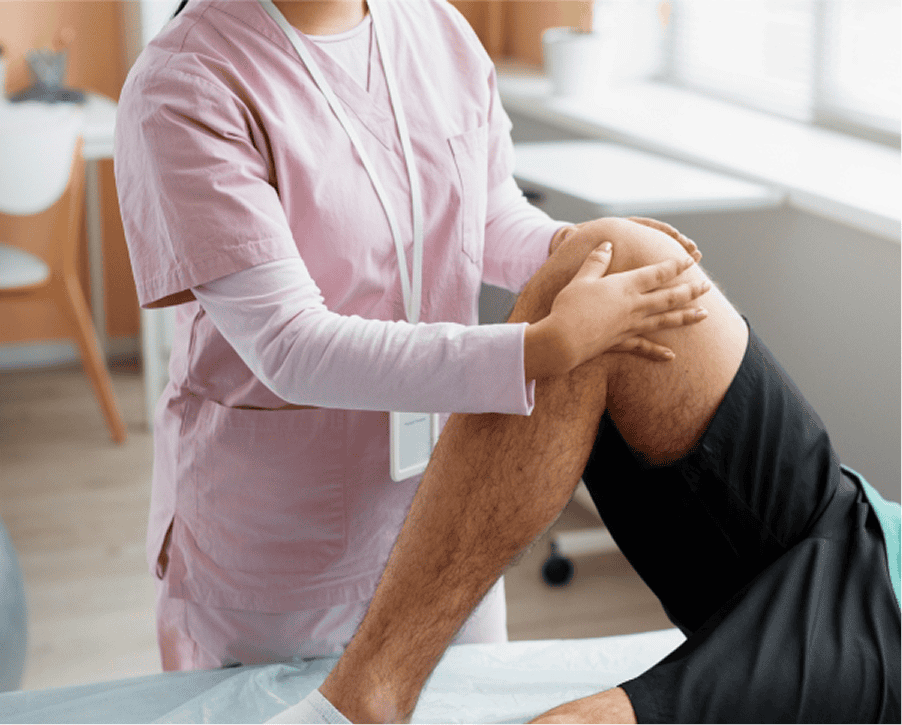
Recovery from a car accident knee injury often requires a combination of therapies. Treatment is designed to reduce inflammation, improve mobility, and restore strength.
Care may include rehabilitation exercises to improve flexibility and stability, chiropractic support to address related joint mechanics, and soft tissue therapy to reduce tension around the knee.
Rather than focusing on a single approach, treatment is structured to address the overall function of the lower body.
Restoring Mobility and Strength
Rehabilitation plays a critical role in knee injury recovery. Strengthening the muscles that support the knee helps improve stability and reduce strain on the joint.
As patients progress, exercises are adjusted to improve coordination and allow for a safe return to normal activities. This step-by-step approach helps minimize the risk of reinjury.
Preventing Long-Term Knee Problems
Untreated knee injuries can lead to chronic pain, reduced mobility, or long-term joint issues. Addressing the injury early helps prevent these complications.
Improving strength, flexibility, and movement patterns can support long-term joint health and reduce the likelihood of ongoing discomfort.
What to Expect During Your First Visit
Your first visit includes a detailed review of your accident and symptoms. A physical examination will assess knee movement, strength, and stability.
Based on these findings, a personalized treatment plan is created to support recovery and improve function.
Frequently Asked Questions About Car Accident Knee Injury
Yes. Without proper care, symptoms may persist or lead to long-term issues.
If you have been involved in a car accident and are experiencing knee pain or limited mobility, it is important to seek proper evaluation and care. At Comprehensive Accident and Injury Center in Bear, DE, our team helps patients recover from car accident knee injury conditions with structured treatment plans designed to restore function and reduce discomfort. If you live in the Bear area, contact our office today to schedule an evaluation. You can fill out our online contact form or call directly to speak with our team about your next steps.
If you’re dealing with a headache after a car accident but didn’t hit your head, you might be wondering what’s causing your pain. Headaches following an accident can stem from a variety of issues, even without direct trauma to the head. Understanding the potential causes and seeking timely care can help you address the problem effectively.
Get Appointment
Complete the Form Below and We’ll Get Back to you Immediately.
Common Causes of Post-Accident Headaches
Whiplash
Whiplash is a frequent injury in car accidents, caused by the rapid back-and-forth movement of the neck. This motion can strain muscles, ligaments, and joints, potentially leading to headaches. Whiplash headaches often originate at the base of the skull and can radiate to the forehead or temples.
Concussion Without Head Impact
A concussion doesn’t always require a direct blow to the head. The sudden jarring motion of a car accident can cause the brain to shift within the skull, leading to a mild traumatic brain injury (TBI). Symptoms may include persistent headaches, dizziness, and difficulty concentrating.
Muscle Tension and Stress
The stress and tension following a traumatic event like a car accident can cause headaches. Muscle tightness in the neck, shoulders, and upper back is a common source of tension headaches.
Cervicogenic Headaches
These headaches originate from issues in the cervical spine, such as misaligned vertebrae or nerve irritation. Even minor car accidents can cause cervical spine injuries, leading to chronic headaches.
Pinched Nerves
A pinched nerve in the neck or upper back resulting from accident-related injuries can cause sharp or radiating pain that manifests as a headache.
Mild Traumatic Brain Injury: An Often Overlooked Cause
Mild traumatic brain injury (mTBI) is a serious condition that can occur even without direct head impact. The sudden movement of a car accident can cause the brain to strike the inside of the skull, leading to microtears in brain tissue. While emergency room professionals are skilled at handling life-threatening injuries, they often lack the specialized training and tools needed to detect subtle signs of mTBI.
Symptoms of mTBI may include:
Persistent headaches
Memory issues
Difficulty concentrating
Sensitivity to light or sound
Fatigue or sleep disturbances
Many of these symptoms can be mistaken for stress or dismissed as minor issues, leading to undiagnosed and untreated brain injuries. This is why follow-up care with specialists is essential, even if you’ve been cleared by the ER.
Why Emergency Rooms Might Miss mTBI
Emergency rooms are designed to address immediate and visible injuries. Their diagnostic tools, such as CT scans, are excellent for identifying severe trauma but may not detect the subtle changes associated with mTBI. Unfortunately, this can leave accident victims with lingering symptoms that impact their daily lives.
At Comprehensive Accident and Injury Center, we understand the complexity of post-accident injuries. Our team uses advanced diagnostic techniques and a thorough evaluation process to uncover hidden injuries, including mild traumatic brain injuries.
Why You Shouldn’t Ignore Headaches After an Accident
Even if you didn’t hit your head during the accident, post-accident headaches can indicate underlying injuries that need attention. Ignoring the pain might lead to worsening symptoms or long-term complications.
Seeking professional care can:
Identify the root cause of your headaches.
Prevent chronic pain conditions.
Ensure proper treatment and faster recovery.
How Comprehensive Accident and Injury Center Can Help
At Comprehensive Accident and Injury Center, we specialize in diagnosing and treating injuries related to car accidents. Our experienced team uses advanced diagnostic tools and personalized treatment plans to address your headaches and promote healing.
Our Services Include:
Chiropractic Care
Realigning the spine to reduce nerve irritation and relieve cervicogenic headaches.
Physical Therapy
Strengthening muscles and improving flexibility to reduce tension and prevent future pain.
Massage Therapy
Relaxing tight muscles and alleviating stress-related headaches.
Diagnostic Imaging
Identifying hidden injuries that may contribute to your symptoms.
Neurological Assessments
Comprehensive evaluations to detect and treat mild traumatic brain injuries.
Schedule an Appointment Today
Don’t let headaches disrupt your life after a car accident. Even if you didn’t hit your head, seeking care is crucial to understanding and resolving your pain. Contact Comprehensive Accident and Injury Center today to schedule a consultation and start your recovery journey.
Car accidents can result in various injuries, including a herniated disc from a car accident. A herniated disc from a car accident can be debilitating and cause significant pain. In this blog post, we’ll discuss what to do if you have a herniated disc from a car accident.
Disclaimer: This page is not intended to be considered medical advice nor to supersede any advice given to you by your doctor. Every scenario is unique, and for the best results, you should consult with a qualified physician like the ones you’ll find at Comprehensive Accident and Injury Center (CAIC).
Concussions are a type of traumatic brain injury (TBI) that can happen from a blow to the head or body. While concussions can be mild, they can also cause severe and lasting damage if left untreated. If you or a loved one has suffered a concussion, it’s important to know what signs to look for, especially when it comes to eyes. Let’s discuss the signs and symptoms to look for as we detail ‘how to check for concussion eyes’ below.
The tricky thing about autombile accident-related injuries is that they don’t always become apparent immediately. Some symptoms of injuries take hours or weeks to develop. Hence, if you decided to forego visiting a hospital or clinic after your accident – you might be wondering, ‘when is it too late to go the doctor after a car accident?’. Let’s break down the details of what you need to know, and who to look for in this situation.
Understanding the Link Between Concussions and Neck Pain
Have you ever suffered from a concussion and neck pain thereafter? If so, you’re not alone. The two often go hand in hand, and it’s important to understand why this happens and what it might mean for your overall health.