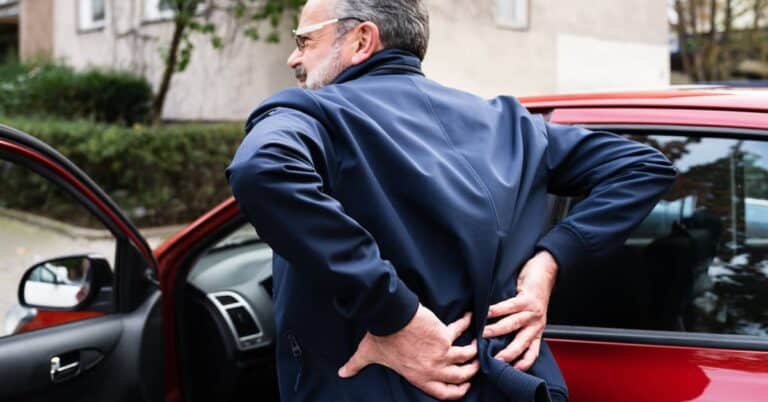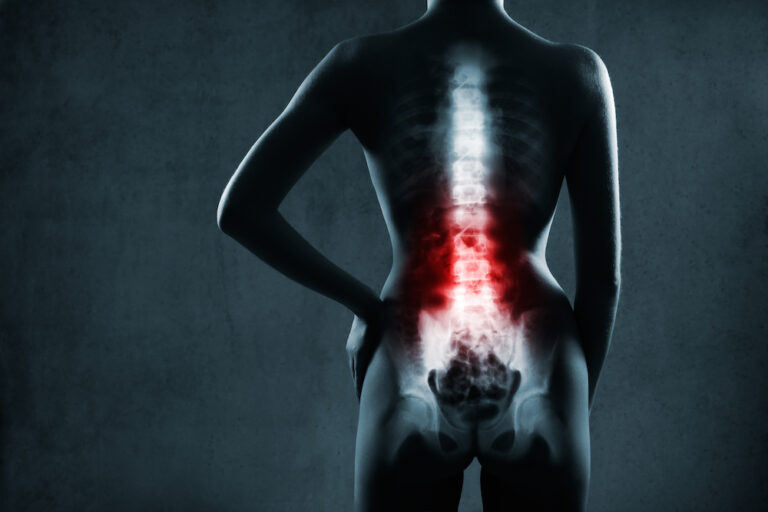
If you’re wondering, “can a car accident cause a herniated disc?” or “can a car accident cause a bulging disc?” the answer is yes. Car accidents are a leading cause of spinal injuries, including herniated and bulging discs. The forceful impact of a collision can place immense pressure on your spine, causing the soft discs between your vertebrae to bulge or even rupture. Understanding how these injuries occur and recognizing their symptoms is vital for prompt treatment and recovery.
Get Appointment
Complete the Form Below and We’ll Get Back to you Immediately.
Can You Get a Herniated Disc from a Car Accident?
Yes, you can get a herniated disc from a car accident. Herniated discs occur when the soft inner material of a spinal disc pushes through a tear in the outer layer. The violent motion during a collision can result in this type of injury, especially if the accident involves high speeds, abrupt stops, or direct trauma to the spine. This type of injury is common in rear-end collisions, where the sudden jolt can strain or damage the spinal discs.
Can a Car Accident Cause a Bulging Disc?
Similarly, a car accident can cause a bulging disc. Unlike a herniated disc, a bulging disc occurs when the outer layer of the disc protrudes outward but does not rupture. While less severe than a herniation, a bulging disc can still lead to significant discomfort and nerve compression if it presses on surrounding tissues.
Can a Car Accident Cause Degenerative Disc Disease?
While degenerative disc disease (DDD) is primarily caused by age-related wear and tear, a car accident can exacerbate the condition or accelerate its onset. Pre-existing DDD may worsen after a collision due to added stress on the spine. Additionally, an injury sustained in an accident can make spinal degeneration more symptomatic, causing pain and limited mobility.
Common Causes of Disc Injuries in Car Accidents
Disc injuries often result from the sudden forces exerted on the body during a car accident. These forces may cause:
Hyperflexion or hyperextension of the spine (whiplash)
Compression of the spinal discs
Direct trauma to the back or neck
Twisting motions that strain the spine
The severity of the injury depends on factors like the speed of the vehicles, the angle of impact, and whether seat belts or airbags were used.
Understanding the Difference Between Bulging Discs and Herniated Discs
Both bulging and herniated discs are spinal injuries, but they differ in severity and structure:
Bulging Disc: A bulging disc occurs when the outer layer of the disc protrudes outward but remains intact. It may compress nearby nerves, causing pain and discomfort. Bulging discs are often less symptomatic but can lead to chronic pain if left untreated.
Herniated Disc: A herniated disc involves a tear in the outer layer, allowing the soft inner material to leak out. This can irritate or compress spinal nerves, often resulting in more intense symptoms compared to a bulging disc. Herniated discs are more likely to require medical intervention.
Symptoms of Bulging or Herniated Discs
If you suspect a spinal injury after a car accident, watch for these symptoms:
Pain in the neck, back, or lower spine
Radiating pain in the arms or legs
Tingling, numbness, or weakness in the extremities
Difficulty standing, sitting, or walking for extended periods
Muscle spasms or tightness
Limited range of motion in the back or neck
These symptoms may develop immediately after the accident or gradually over time as inflammation and nerve compression worsen.
Diagnosis and Treatment Options Available at Our Clinic
At Comprehensive Accident and Injury Center, we utilize state-of-the-art diagnostics, including on-site X-rays, to identify disc injuries and other spinal issues. Early diagnosis is crucial to preventing long-term complications and ensuring effective treatment.
Treatment options for bulging and herniated discs may include:
Physical therapy to strengthen supporting muscles and improve mobility
Pain management techniques, such as heat or ice therapy
Non-invasive decompression therapies to alleviate nerve compression
Lifestyle modifications, including posture correction and ergonomic adjustments
In severe cases, surgical intervention may be necessary, but our goal is always to prioritize non-surgical solutions.
Why Get Screened After a Car Accident?
Even if you feel fine immediately after a car accident, spinal injuries like herniated or bulging discs may not present symptoms right away. Comprehensive Accident and Injury Center offers on-site X-rays to help identify potential disc injuries promptly. Early diagnosis is crucial for effective treatment and to prevent long-term complications. Identifying and addressing these injuries early can help prevent chronic pain and mobility issues.
Our experienced chiropractors and physical therapists specialize in treating car accident victims. We create personalized care plans to address your injuries and help you recover. By addressing the root cause of your pain, we aim to restore your quality of life and help you return to normal activities as quickly as possible.
Don’t Gamble with Your Health – Visit Comprehensive Accident and Injury Center
Don’t wait to address potential spinal injuries after a car accident. Schedule a screening at Comprehensive Accident and Injury Center today. Our state-of-the-art diagnostics and dedicated team are here to support your recovery journey. Whether you’re dealing with a bulging disc, herniated disc, or other spinal injuries, we’re committed to helping you heal and feel your best.
Dr. Jack Norsworthy
Dr. Jack Norsworthy is a Doctor of Chiropractic Medicine and Founder of the Comprehensive Accident and Injury Center. He's passionate about providing the highest quality of Chiropractic care in Delaware and surrounding communities. Check back for more updates from Doctor Norsworthy as he shares more information about musculoskeletal injuries, Chiropractic care, and healthy lifestyle habits.
Dr. Jack Norsworthy
Dr. Jack Norsworthy is a Doctor of Chiropractic Medicine and Founder of the Comprehensive Accident and Injury Center. He's passionate about providing the highest quality of Chiropractic care in Delaware and surrounding communities. Check back for more updates from Doctor Norsworthy as he shares more information about musculoskeletal injuries, Chiropractic care, and healthy lifestyle habits.
Experiencing vomiting after a head injury can be alarming. If you or a loved one is dealing with this symptom, it’s essential to understand what it could mean and whether you should seek immediate medical attention.
Get Appointment
Complete the Form Below and We’ll Get Back to you Immediately.
Why Vomiting May Occur After a Head Injury
Vomiting after a head injury may indicate a concussion, which is a mild form of traumatic brain injury (TBI). While not all cases of vomiting signify a severe problem, it is a symptom that warrants close observation. Vomiting can result from:
Brain swelling or increased intracranial pressure.
Disruption of normal brain function caused by the injury.
Inner ear disturbances, which affect balance and cause nausea.
Emotional or physical stress responses triggered by the trauma.
Concussions disrupt the brain’s normal functioning, which may lead to nausea and vomiting. These symptoms can also be compounded by dizziness and sensitivity to light or sound, common in many head injury cases.
How Long After a Concussion Do You Vomit?
Vomiting can occur shortly after the injury or within hours to a few days post-concussion. The timing of this symptom can provide clues about the severity of the injury:
Immediate Vomiting: If vomiting happens right after the injury, it may indicate a more serious issue, such as internal bleeding or significant brain trauma. This should always be evaluated by a healthcare provider.
Delayed Vomiting: Nausea and vomiting occurring hours or days after the injury may be part of post-concussion syndrome, which includes symptoms such as headaches, dizziness, and cognitive difficulties.
It’s also important to consider individual factors, as age, pre-existing conditions, and the nature of the injury can all influence when and why vomiting occurs.
Warning Signs to Watch For
While some nausea or vomiting may resolve on its own, certain symptoms require urgent medical attention. Seek care immediately if you or your loved one experiences:
Repeated Vomiting
Vomiting multiple times is a red flag for serious complications, such as increased pressure within the skull.
Severe or Worsening Headache
A headache that intensifies or does not go away could indicate a serious problem.
Dizziness or Confusion
Feeling disoriented or unable to maintain balance may suggest brain trauma.
Loss of Consciousness
Any loss of consciousness, even if brief, should be evaluated by a medical professional.
Weakness, Numbness, or Coordination Issues
These symptoms could point to neurological impairments requiring immediate attention.
Steps to Take After a Head Injury
If you or someone you know has experienced a head injury, follow these steps to ensure safety:
Monitor Symptoms
Keep track of any symptoms, including vomiting, headaches, or changes in behavior.
Rest and Avoid Stress
Avoid activities that require intense focus or physical exertion until cleared by a healthcare provider.
Seek Medical Attention
Visit a healthcare provider for a thorough evaluation, especially if any warning signs are present.
Comprehensive Accident and Injury Center Can Help
At Comprehensive Accident and Injury Center, we specialize in evaluating and managing injuries, including head trauma. Our experienced team uses advanced diagnostic tools to assess the extent of your injury and create a personalized treatment plan. From concussion management to follow-up care, we are committed to supporting your recovery every step of the way.
The Importance of Prompt Treatment
Head injuries can have lasting effects if not properly treated. Vomiting after a head injury should never be ignored, as it may signal an underlying condition that requires attention. Timely diagnosis and care can reduce the risk of complications and help ensure a full recovery.
Take the Next Step for Your Health
Don’t wait to address symptoms after a head injury. Contact Comprehensive Accident and Injury Center today to schedule an evaluation and receive expert care tailored to your needs. Whether you’re experiencing vomiting, headaches, or other post-injury symptoms, we’re here to help you regain your health and well-being.
Dr. Jack Norsworthy
Dr. Jack Norsworthy is a Doctor of Chiropractic Medicine and Founder of the Comprehensive Accident and Injury Center. He's passionate about providing the highest quality of Chiropractic care in Delaware and surrounding communities. Check back for more updates from Doctor Norsworthy as he shares more information about musculoskeletal injuries, Chiropractic care, and healthy lifestyle habits.
Dr. Jack Norsworthy
Dr. Jack Norsworthy is a Doctor of Chiropractic Medicine and Founder of the Comprehensive Accident and Injury Center. He's passionate about providing the highest quality of Chiropractic care in Delaware and surrounding communities. Check back for more updates from Doctor Norsworthy as he shares more information about musculoskeletal injuries, Chiropractic care, and healthy lifestyle habits.
If you’ve been in a car accident in Delaware, even a minor one, you may wonder if calling the police is necessary. Understanding your legal responsibilities and the potential benefits of involving law enforcement can help you navigate the situation more confidently. At Comprehensive Accident and Injury Center, we’re dedicated to helping you recover physically and connecting you with trusted resources to ensure your rights are protected.
Get Appointment
Complete the Form Below and We’ll Get Back to you Immediately.
Delaware Laws on Reporting Car Accidents
In Delaware, state law requires you to report a car accident to law enforcement if:
There are injuries or fatalities: Any accident involving injury or death must be reported immediately.
There is significant property damage: If the property damage exceeds $1,500, you are required to notify the police.
The other driver leaves the scene: Hit-and-run incidents must always be reported.
Failing to report an accident when required can result in penalties, fines, and complications with insurance claims. When in doubt, contacting the police is often the safest course of action.
Why Calling the Police is Beneficial
Even if the law doesn’t mandate reporting a minor accident, calling the police can still provide several advantages:
1. Official Documentation
A police report creates an unbiased, official record of the accident, which can be crucial for resolving disputes or proving fault.
2. Insurance Requirements
Many insurance companies require a police report to process claims effectively.
3. Protection Against Fraud
A police report can protect you from false claims about the accident, such as exaggerated injuries or damages.
4. Determination of Fault
The officer’s assessment can provide clarity on who was at fault, which may simplify the claims process.
When You Might Not Need to Call the Police in Delaware
In certain scenarios, calling the police for a minor accident may not be necessary:
The property damage is minor and below the $1,500 threshold.
No one was injured in the accident.
Both drivers exchange information and agree on the circumstances.
However, even if you don’t call the police, it’s essential to document the scene thoroughly and exchange contact and insurance information with the other driver. If there is any doubt about the extent of the damage or your legal obligations, calling law enforcement is a wise precaution.
The Importance of a Medical Evaluation After an Accident
Even if you feel fine immediately after a car accident, it’s crucial to undergo a thorough medical evaluation. Many injuries, such as whiplash, soft tissue injuries, or concussions, may not show symptoms right away but can lead to chronic pain or complications if left untreated. At Comprehensive Accident and Injury Center, our team of chiropractors and physical therapists specializes in diagnosing and treating accident-related injuries.
Why Seek Medical Attention Right Away?
Early Detection of Injuries
A prompt evaluation can identify hidden injuries before they worsen.
Proper Documentation
Medical records serve as critical evidence for insurance claims or legal cases.
Effective Treatment Plans
Addressing injuries early ensures a faster recovery and reduces the risk of long-term issues.
Peace of Mind
Knowing that you’ve been evaluated by trained professionals can give you confidence in your recovery process.
How Comprehensive Accident and Injury Center Can Help
At Comprehensive Accident and Injury Center, we focus on your physical recovery and overall well-being. Our experienced chiropractors and physical therapists provide personalized care tailored to your specific injuries and needs. In addition to treatment, we can refer you to trusted attorneys if you need assistance with a car accident claim.
Schedule Your Evaluation Today
If you’ve recently been involved in a car accident, don’t wait to seek medical care. Comprehensive Accident and Injury Center is here to help you recover and connect you with the resources you need. We offer a free consultation to discuss your health concerns and create a treatment plan that’s right for you.
Contact us today to schedule your evaluation and take the first step toward recovery.
Dr. Jack Norsworthy
Dr. Jack Norsworthy is a Doctor of Chiropractic Medicine and Founder of the Comprehensive Accident and Injury Center. He's passionate about providing the highest quality of Chiropractic care in Delaware and surrounding communities. Check back for more updates from Doctor Norsworthy as he shares more information about musculoskeletal injuries, Chiropractic care, and healthy lifestyle habits.
Dr. Jack Norsworthy
Dr. Jack Norsworthy is a Doctor of Chiropractic Medicine and Founder of the Comprehensive Accident and Injury Center. He's passionate about providing the highest quality of Chiropractic care in Delaware and surrounding communities. Check back for more updates from Doctor Norsworthy as he shares more information about musculoskeletal injuries, Chiropractic care, and healthy lifestyle habits.
If you’re experiencing back pain after being rear-ended, you’re not alone. Rear-end collisions are one of the most common types of car accidents, often leaving victims with persistent pain and injuries that can affect their daily lives. Whether it’s lower back pain after being rear-ended or upper back pain after a rear-end collision, understanding the root causes and seeking appropriate treatment is essential for recovery.
Get Appointment
Complete the Form Below and We’ll Get Back to you Immediately.
Common Causes of Back Pain After Getting Rear-Ended
Rear-end collisions can transfer significant force through your body, leading to various types of injuries. Here are the most common causes of back pain following such an accident:
Whiplash
Often associated with neck injuries, whiplash can also extend to the upper back, causing stiffness and discomfort.
Herniated Discs
The sudden impact can cause a disc to rupture, leading to lower back pain after being rear-ended.
Spinal Misalignment
Even minor collisions can shift the alignment of your spine, resulting in pain and restricted movement.
Muscle Strains
The jarring force can strain the muscles and ligaments in your back, causing ongoing discomfort.
Facet Joint Injuries
The small joints connecting the vertebrae can become irritated or injured during a collision, leading to localized pain and stiffness.
Nerve Compression
Displaced discs or swelling can compress nerves in the spine, causing radiating pain, numbness, or tingling sensations.
Symptoms to Watch For
After being rear-ended, it’s crucial to monitor your symptoms, as some injuries might not become evident immediately. Common symptoms include:
Persistent lower back pain after getting rear-ended
Stiffness or reduced range of motion in the back
Radiating pain to the legs or arms
Muscle spasms or tenderness in the upper or lower back
Headaches or dizziness, which can accompany back injuries
Difficulty standing, walking, or performing daily tasks due to pain
The Delayed Onset of Symptoms
It’s important to note that back pain after getting rear-ended might not appear immediately. Adrenaline released during the accident can mask pain initially. Symptoms may develop hours or even days later, making it vital to seek medical attention promptly, even if you feel fine at first.
Why Prompt Medical Attention Matters
Ignoring back pain after a rear-end collision can lead to chronic issues. Early diagnosis ensures proper treatment and minimizes long-term complications. Medical professionals may recommend imaging tests, such as X-rays or MRIs, to assess the extent of the injury. Additionally, prompt care can provide documentation of your injuries, which may be crucial if you’re pursuing a legal claim.
Treatment Options for Back Pain After Being Rear-Ended
At Comprehensive Accident and Injury Center, we specialize in diagnosing and treating accident-related injuries. Here are some of the effective treatment methods we offer:
Chiropractic Care
Realigning the spine can alleviate lower back pain after a rear-end collision and improve mobility.
Physical Therapy
Strengthening exercises and stretches can help reduce pain and promote healing.
Massage Therapy
Targeted massage techniques relieve muscle tension and improve circulation in affected areas.
Pain Management
Non-invasive treatments are available to manage your discomfort while you heal.
Spinal Decompression Therapy
This technique can relieve pressure on herniated discs and nerves, addressing lower back pain after being rear-ended.
Trigger Point Injections
These injections can reduce inflammation and provide relief from persistent muscle pain.
Lifestyle Adjustments to Support Recovery
In addition to professional treatments, making lifestyle adjustments can promote recovery and prevent further issues:
Use ergonomic seating and proper lumbar support when sitting.
Practice good posture, keeping your spine aligned during daily activities.
Engage in low-impact exercises, like walking or swimming, to maintain flexibility.
Stay hydrated and maintain a balanced diet to support muscle and tissue repair.
Avoid heavy lifting or strenuous activities until cleared by a healthcare provider.
Maintain proper posture and engage in recommended exercises to strengthen your back.
Attend follow-up appointments to monitor your recovery progress.
Get Help for Your Back Pain Today
If you’re dealing with upper or lower back pain after being rear-ended, don’t wait to seek treatment. The team at Comprehensive Accident and Injury Center is here to help you recover and get back to living pain-free. We understand the complexities of accident-related injuries and tailor our treatments to your unique needs. Contact us today to schedule a consultation and start your journey to recovery.
Dr. Jack Norsworthy
Dr. Jack Norsworthy is a Doctor of Chiropractic Medicine and Founder of the Comprehensive Accident and Injury Center. He's passionate about providing the highest quality of Chiropractic care in Delaware and surrounding communities. Check back for more updates from Doctor Norsworthy as he shares more information about musculoskeletal injuries, Chiropractic care, and healthy lifestyle habits.
Dr. Jack Norsworthy
Dr. Jack Norsworthy is a Doctor of Chiropractic Medicine and Founder of the Comprehensive Accident and Injury Center. He's passionate about providing the highest quality of Chiropractic care in Delaware and surrounding communities. Check back for more updates from Doctor Norsworthy as he shares more information about musculoskeletal injuries, Chiropractic care, and healthy lifestyle habits.
The recovery process after a car accident can vary widely from person to person. While some individuals may feel better in a matter of weeks, others may take months or even years to fully recover, depending on the nature and extent of their injuries. At Comprehensive Accident and Injury Center, we specialize in providing comprehensive evaluations, diagnosis, and personalized treatment plans for car accident victims in and around the Delaware area.
Get Appointment
Complete the Form Below and We’ll Get Back to you Immediately.
Understanding the Healing Timeline After a Car Accident
After a car accident, the body needs time to recover from the physical trauma it has endured. Here are typical recovery timelines for common injuries:
Soft Tissue Injuries (e.g., Whiplash)
Soft tissue injuries like sprains, strains, and whiplash can take anywhere from a few weeks to several months to heal. The severity of the injury and adherence to treatment significantly impact recovery time.
Bone Fractures
Fractures often take 6-8 weeks to heal, though complete recovery, including regaining strength and mobility, may take several months.
Nerve Damage
Nerve healing is a slow process, with nerves regenerating at approximately one millimeter per day. Depending on the location and severity of the damage, recovery can take months to years.
Concussions and Brain Injuries
Mild concussions may resolve within a few weeks, but more severe traumatic brain injuries (TBIs) can require ongoing care and therapy for months or even years.
While these timelines provide general guidance, each individual’s recovery is unique. Our team at Comprehensive Accident and Injury Center will evaluate your condition thoroughly to create a plan tailored to your specific needs.
How Long Does It Take Nerves to Heal After a Car Accident?
Nerve injuries are among the most complex and frustrating injuries resulting from car accidents. Symptoms such as tingling, numbness, or pain can linger long after the initial trauma. The healing process for nerves is slow and often unpredictable, requiring consistent care and monitoring. At our Delaware clinic, we offer advanced diagnostics to assess nerve damage and provide treatments that may include:
Physical therapy to promote nerve regeneration.
Pain management techniques to alleviate discomfort.
Chiropractic care to address nerve impingements.
Nutritional and lifestyle guidance to support overall nerve health.
How to Heal from a Car Accident
Recovering from a car accident requires a multi-faceted approach that addresses both physical and emotional well-being. Here are the key steps:
1. Seek Immediate Medical Attention
Even if you feel fine after an accident, it’s essential to get evaluated by a healthcare professional. Some injuries, like internal damage or concussions, may not show symptoms right away. At Comprehensive Accident and Injury Center, we specialize in identifying both visible and hidden injuries to ensure no aspect of your health is overlooked.
2. Follow a Personalized Treatment Plan
Our team creates custom treatment plans based on the type and severity of your injuries. This may include:
Chiropractic adjustments to improve mobility and reduce pain.
Physical therapy to rebuild strength and function.
Massage therapy to promote blood flow and reduce muscle tension.
Specialized care for nerve or soft tissue injuries.
3. Prioritize Rest and Recovery
Rest is a crucial component of healing, but it doesn’t mean complete inactivity. We’ll guide you on how to balance rest with safe, gradual physical activity to prevent stiffness and promote recovery.
4. Address Emotional Well-Being
Recovering from a car accident is not just about physical healing. Emotional trauma and stress can also impact recovery. Our holistic approach includes addressing mental health concerns and providing resources for coping with anxiety or post-traumatic stress.
How to Heal After a Car Accident with Our Support
At Comprehensive Accident and Injury Center, we pride ourselves on being a trusted partner in your recovery journey. From the moment you walk into our clinic, we focus on understanding your unique situation and creating a personalized care plan. Our services include:
State-of-the-art diagnostic tools to assess injuries accurately.
Non-invasive therapies to restore function and alleviate pain.
Expert guidance to help you regain your strength and quality of life.
Located conveniently in Delaware, we are dedicated to helping car accident victims recover and thrive. Whether you’ve suffered from minor whiplash or more complex injuries, we’re here to provide the comprehensive care you need.
What Sets Us Apart?
Comprehensive Evaluations
We leave no stone unturned in identifying all injuries, including those that may not be immediately apparent.
Personalized Care
Every treatment plan is tailored to your specific injuries and health goals.
Compassionate Support
Our team understands the challenges of recovery and is here to support you every step of the way.
Contact Us Today
If you’ve been injured in a car accident, don’t wait to seek care. The sooner you begin treatment, the better your chances for a full recovery. Schedule your evaluation at Comprehensive Accident and Injury Center today, and let us help you get back to living your life pain-free.
Disclaimer: The information presented on this page is for educational purposes only and should not replace the diagnosis, treatment, or advice of a licensed physician. It is not intended to serve as a prescription or substitute for professional medical care. For personalized evaluation and treatment, please contact Comprehensive Accident and Injury Center directly.
Dr. Jack Norsworthy
Dr. Jack Norsworthy is a Doctor of Chiropractic Medicine and Founder of the Comprehensive Accident and Injury Center. He's passionate about providing the highest quality of Chiropractic care in Delaware and surrounding communities. Check back for more updates from Doctor Norsworthy as he shares more information about musculoskeletal injuries, Chiropractic care, and healthy lifestyle habits.
Dr. Jack Norsworthy
Dr. Jack Norsworthy is a Doctor of Chiropractic Medicine and Founder of the Comprehensive Accident and Injury Center. He's passionate about providing the highest quality of Chiropractic care in Delaware and surrounding communities. Check back for more updates from Doctor Norsworthy as he shares more information about musculoskeletal injuries, Chiropractic care, and healthy lifestyle habits.
Concussions are serious brain injuries that require proper care and attention to ensure a full recovery. One of the most common questions patients ask after sustaining a concussion is, “Can you drink alcohol with a concussion?” The short answer is no—consuming alcohol after a concussion can significantly hinder the healing process and increase the risk of complications. Below, we’ll explain why avoiding alcohol is essential for your recovery.
Get Appointment
Complete the Form Below and We’ll Get Back to you Immediately.
Why Alcohol Is Harmful After a Concussion
Alcohol impacts the brain and nervous system, both of which are already compromised after a concussion. Here’s why drinking alcohol is particularly dangerous:
1. Slows Brain Recovery
A concussion temporarily disrupts normal brain function. Alcohol is a depressant that can further impair cognitive functions such as memory, concentration, and coordination, slowing your recovery.
2. Increases Risk of Re-injury
Alcohol can impair judgment, balance, and coordination. This increases the likelihood of falls or accidents, which could lead to another head injury while your brain is still vulnerable.
3. Exacerbates Symptoms
Common concussion symptoms such as headaches, dizziness, and nausea can worsen with alcohol consumption. Alcohol can also cause dehydration, which may intensify these symptoms and prolong your recovery.
4. Interferes with Medications
Many patients are prescribed pain relievers or anti-inflammatory medications after a concussion. Alcohol can interact negatively with these medications, reducing their effectiveness or causing dangerous side effects.
The Importance of Prompt Concussion Treatment
While some people may feel tempted to “tough it out” after a concussion, delaying or foregoing treatment can lead to serious long-term health consequences. A concussion is more than just a bump on the head—it’s a traumatic brain injury that requires professional evaluation and care.
Risks of Delaying Concussion Treatment
1. Prolonged Symptoms: Without proper treatment, symptoms like headaches, dizziness, memory loss, and fatigue can persist for weeks or even months.
2. Increased Risk of Second Impact Syndrome: Suffering another head injury before fully recovering from a concussion can result in severe brain swelling, permanent damage, or even death.
3. Cognitive and Emotional Impairments: Untreated concussions can lead to long-term issues with memory, concentration, mood swings, anxiety, and depression.
4. Chronic Traumatic Encephalopathy (CTE): Repeated concussions without proper care can increase the risk of developing CTE, a degenerative brain disease linked to cognitive decline and behavioral changes.
Why Choose Comprehensive Accident and Injury Center for Concussion Care?
At Comprehensive Accident and Injury Center, we understand the seriousness of concussions and the importance of a full and safe recovery. Our expert team in Delaware is dedicated to providing personalized, comprehensive care tailored to your unique needs. Here’s why we’re the best choice for concussion treatment:
Expert Medical Team
Our healthcare professionals specialize in diagnosing and managing traumatic brain injuries, ensuring you receive the best possible care.
Advanced Diagnostic Tools
We utilize state-of-the-art technology to accurately assess the severity of your concussion and monitor your progress throughout your recovery.
Individualized Treatment Plans
No two concussions are the same. We develop customized recovery plans to address your specific symptoms, lifestyle, and recovery goals.
Support Every Step of the Way
From initial diagnosis to your return to normal activities, we provide continuous support, guidance, and education to help you recover fully and prevent future injuries.
Don’t Delay—Get Checked Out Today
If you’ve suffered a concussion, don’t wait to seek professional care. The sooner you begin treatment, the better your chances of a full recovery. Contact Comprehensive Accident and Injury Center today to schedule a consultation and take the first step toward healing. We’re here to help you get back to your life safely and confidently.
Dr. Jack Norsworthy
Dr. Jack Norsworthy is a Doctor of Chiropractic Medicine and Founder of the Comprehensive Accident and Injury Center. He's passionate about providing the highest quality of Chiropractic care in Delaware and surrounding communities. Check back for more updates from Doctor Norsworthy as he shares more information about musculoskeletal injuries, Chiropractic care, and healthy lifestyle habits.
Dr. Jack Norsworthy
Dr. Jack Norsworthy is a Doctor of Chiropractic Medicine and Founder of the Comprehensive Accident and Injury Center. He's passionate about providing the highest quality of Chiropractic care in Delaware and surrounding communities. Check back for more updates from Doctor Norsworthy as he shares more information about musculoskeletal injuries, Chiropractic care, and healthy lifestyle habits.