
Introduction: When “Feeling Fine” Isn’t the Whole Story
After a car accident, it’s common to assume you’re unharmed if you can walk away without obvious injuries. But the body doesn’t always show damage right away. Pain, stiffness, headaches, and other symptoms can take hours or even days to appear.
Understanding why delayed car accident injuries should not be ignored is essential for protecting your long-term health. At Comprehensive Accident and Injury Center in Bear, DE, we regularly treat patients who initially felt fine after a crash but later developed significant pain and mobility issues. Early attention can make a major difference in recovery.
Get Appointment
Complete the Form Below and We’ll Get Back to you Immediately.
Key Takeaways
- Car accident injuries can develop symptoms days after the crash
- Delayed pain often signals underlying soft tissue or spinal injuries
- Ignoring symptoms increases the risk of chronic pain and complications
- Early evaluation improves recovery speed and long-term outcomes
Why Car Accident Injuries Are Often Delayed
After a collision, your body releases adrenaline and stress hormones that can temporarily mask pain. This natural response is designed to help you react in the moment, but it can also hide injuries that are already developing.
As the adrenaline wears off and inflammation increases, symptoms begin to surface. This delay is especially common with whiplash, muscle strain, ligament injuries, and mild head trauma. Because of this, many people underestimate their condition and delay care—one of the main reasons why delayed car accident injuries should not be ignored.
Common Delayed Symptoms After a Car Accident
Delayed injuries can present in many different ways, depending on how the body was affected during the crash. Symptoms may start mildly and gradually worsen over time.
Some of the most common delayed symptoms include persistent neck or back pain, stiffness that limits movement, and headaches that start at the base of the skull. Many patients also experience dizziness, fatigue, or difficulty concentrating.
In some cases, pain may radiate into the shoulders, arms, or legs, which can indicate nerve involvement. Tingling, numbness, or weakness are also warning signs that should not be overlooked. These symptoms often develop slowly, making it easy to dismiss them at first.
Injuries Commonly Linked to Delayed Symptoms
Several types of injuries are known for having delayed onset. Whiplash is one of the most common, often leading to neck pain and stiffness that appears days after a rear-end collision.
Soft tissue injuries involving muscles and ligaments can also take time to become noticeable as inflammation builds. Spinal disc injuries may gradually irritate nearby nerves, leading to radiating pain or numbness. Even mild traumatic brain injuries can present delayed symptoms such as headaches, confusion, or sensitivity to light.
Because these injuries are not always visible on initial scans, they can go untreated without proper evaluation.

The Risks of Ignoring Delayed Injuries
Ignoring symptoms after a car accident can significantly increase the risk of long-term complications. What begins as mild discomfort can develop into chronic pain conditions if left untreated.
Untreated whiplash, for example, may lead to persistent neck stiffness and recurring headaches. Spinal injuries can worsen over time, affecting mobility and nerve function. Even mild head injuries can have lasting effects on concentration, sleep, and overall well-being if not properly addressed.
This is why delayed car accident injuries should not be ignored, even when symptoms seem minor or manageable at first.
What to Expect From a Post-Accident Evaluation
At Comprehensive Accident and Injury Center, evaluation begins with a detailed review of your accident and symptom history. Providers take time to understand when symptoms started and how they have changed over time.
A physical examination assesses posture, range of motion, muscle tension, and neurological function. If needed, diagnostic tools may be used to detect injuries that are not immediately visible.
This thorough process helps identify the root cause of delayed symptoms and ensures that treatment is tailored to your specific condition.
Treatment Options for Delayed Injury Care
Treatment for delayed car accident injuries focuses on reducing inflammation, restoring movement, and addressing the underlying cause of pain. Care is personalized based on the severity and type of injury.
Common treatment options include chiropractic adjustments to restore spinal alignment, physical therapy to rebuild strength and flexibility, and therapeutic massage to relieve muscle tension. Rehabilitation exercises help improve stability and prevent future injury, while ongoing evaluations ensure steady progress throughout recovery.
This comprehensive approach supports long-term healing rather than temporary symptom relief.
Why Early Care Leads to Better Outcomes
The sooner delayed injuries are treated, the better the recovery outcome. Early intervention helps reduce inflammation, prevent scar tissue buildup, and restore normal function before complications develop.
Patients who seek care promptly often experience shorter recovery times and fewer long-term issues. This is especially important for injuries that may worsen silently over time.
Frequently Asked Questions
Adrenaline and inflammation can mask symptoms initially, causing pain and discomfort to appear hours or days after the crash.
Yes. Even low-impact collisions can result in soft tissue or spinal injuries with delayed symptoms.
Ignoring symptoms can lead to chronic pain, reduced mobility, and long-term complications.
You should seek care as soon as any new symptoms appear, even if the accident happened days earlier.
Take the Next Step Toward Recovery
If you are experiencing symptoms and wondering why delayed car accident injuries should not be ignored, early evaluation is the best way to protect your health. Contact Comprehensive Accident and Injury Center in Bear, DE today to schedule a consultation and learn more about your treatment options. Our team is here to help you recover safely and prevent long-term complications.
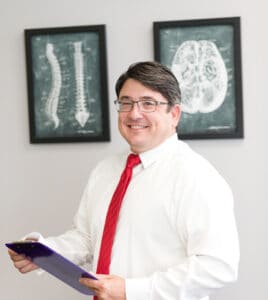
Dr. Jack Norsworthy
Dr. Jack Norsworthy is a Doctor of Chiropractic Medicine and Founder of the Comprehensive Accident and Injury Center. He's passionate about providing the highest quality of Chiropractic care in Delaware and surrounding communities. Check back for more updates from Doctor Norsworthy as he shares more information about musculoskeletal injuries, Chiropractic care, and healthy lifestyle habits.
Dr. Jack Norsworthy
Dr. Jack Norsworthy is a Doctor of Chiropractic Medicine and Founder of the Comprehensive Accident and Injury Center. He's passionate about providing the highest quality of Chiropractic care in Delaware and surrounding communities. Check back for more updates from Doctor Norsworthy as he shares more information about musculoskeletal injuries, Chiropractic care, and healthy lifestyle habits.