
Spinal stenosis is a condition that can cause chronic back pain, numbness, tingling, or weakness due to the narrowing of the spinal canal. Many people living with this condition look for natural, non-surgical ways to relieve their symptoms—often turning to chiropractic care. But one of the most common concerns patients have is: can a chiropractor make spinal stenosis worse?
At Comprehensive Accident and Injury Center, we understand how important it is to choose safe, effective treatments when dealing with a sensitive condition like spinal stenosis. Let’s take a closer look at what spinal stenosis is, how chiropractic care may help, and under what circumstances it could potentially cause harm if not performed correctly.
Get Appointment
Complete the Form Below and We’ll Get Back to you Immediately.
Understanding Spinal Stenosis
Spinal stenosis occurs when the spaces within the spine become narrowed, putting pressure on the spinal cord or nerves. This narrowing is most commonly caused by degenerative changes related to aging, but can also result from herniated discs, ligament thickening, arthritis, or injuries.
There are two primary types of spinal stenosis:
Cervical spinal stenosis
Affects the neck region and can cause pain, numbness, or weakness that radiates down the arms.
Lumbar spinal stenosis
Affects the lower back and may lead to leg pain, sciatica, and difficulty walking or standing for long periods.
The symptoms often develop gradually, but over time, they can severely impact quality of life if left untreated.
How Chiropractors Approach Spinal Stenosis
Chiropractic care focuses on improving spinal alignment and function. For individuals with spinal stenosis, the goal isn’t to “cure” the narrowing of the canal but to reduce pressure, inflammation, and pain that result from misalignment and muscle tension surrounding the affected area.
Chiropractors use several non-invasive techniques that may include:
Spinal adjustments (gentle mobilization rather than forceful manipulation)
Flexion-distraction therapy, which uses a specialized table to gently stretch and decompress the spine
Soft tissue therapy to relieve muscle tension and improve circulation
Postural correction and stretching exercises to improve spinal support and flexibility
These methods are designed to reduce pain, enhance mobility, and help patients regain function without surgery.
Can Chiropractic Treatment Make Spinal Stenosis Worse?
The short answer is: it depends on the technique and the individual’s condition. When performed correctly and appropriately tailored to the patient, chiropractic care is generally safe and can actually help alleviate many symptoms associated with spinal stenosis.
However, if a chiropractor uses overly aggressive adjustments or fails to identify underlying conditions that contraindicate manipulation, symptoms could temporarily worsen. In rare cases, excessive force may irritate the nerves or tissues surrounding the spinal canal.
This is why proper diagnosis and individualized care are critical. At Comprehensive Accident and Injury Center, we take a diagnostic-first approach. Before any spinal adjustments are performed, our team conducts thorough imaging and evaluations to understand the exact cause and location of the stenosis. This ensures that the techniques used are appropriate for the patient’s unique needs.

Safe Chiropractic Techniques for Spinal Stenosis
For patients with spinal stenosis, high-velocity spinal manipulation (often referred to as “cracking” or “popping” adjustments) may not always be ideal. Instead, chiropractors often use gentle, low-force techniques to relieve pressure and improve movement.
Some of the safest and most effective chiropractic approaches for spinal stenosis include:
- Flexion-Distraction Technique – This method gently stretches the spine, creating more space between vertebrae and reducing nerve compression.
- Activator Method – Uses a handheld instrument to apply controlled, low-force impulses to specific areas of the spine.
- Pelvic Blocking – Involves placing wedges under the pelvis to subtly shift spinal alignment and relieve nerve pressure.
- Manual Therapy and Soft Tissue Work – Helps reduce inflammation and tension that can worsen symptoms.
These approaches are designed to stabilize and support the spine rather than manipulate it aggressively.
When Chiropractic Care May Not Be Recommended
While chiropractic care can provide relief for many patients with spinal stenosis, there are situations where it might not be appropriate or should be approached with caution. Chiropractic treatment may be limited or avoided when:
| The patient has severe nerve compression causing progressive weakness or loss of bladder/bowel control. | There is spinal instability or advanced degeneration. |
| The patient has undergone recent spinal surgery. | There is a risk of fracture due to osteoporosis or other bone-weakening conditions. |
In these cases, chiropractors will typically refer the patient to a specialist or collaborate with medical providers to ensure a safe, integrated care plan.
The Importance of Comprehensive Care
At Comprehensive Accident and Injury Center, we don’t take a one-size-fits-all approach. Spinal stenosis requires a multifaceted treatment plan that may include chiropractic adjustments, physical therapy, corrective exercises, and lifestyle guidance.
By combining chiropractic care with rehabilitation and soft-tissue therapy, we can help patients reduce inflammation, strengthen the supporting muscles of the spine, and improve posture—all of which help minimize the effects of stenosis.
Our team’s goal is not only to reduce pain but also to help you regain long-term function and mobility. This whole-body approach provides a much better chance of lasting results compared to isolated treatments.
What to Expect at Comprehensive Accident and Injury Center
When you visit our office, you’ll start with a detailed consultation and diagnostic assessment. We’ll review your medical history, perform a physical examination, and, if needed, order imaging such as X-rays or MRI scans. Once we understand the root cause of your pain, we’ll design a care plan that is safe, customized, and goal-oriented.
During treatment, most patients notice gradual improvements in pain and flexibility. While spinal stenosis can’t be “reversed,” symptoms can often be managed effectively without surgery when the spine and surrounding tissues are properly supported.
FAQs About Chiropractic Care and Spinal Stenosis
When performed correctly, chiropractic adjustments should not make spinal stenosis worse. However, improper or overly aggressive manipulation could aggravate the condition. Always seek care from an experienced chiropractor familiar with stenosis.
Yes, it is generally safe when low-force or gentle adjustment techniques are used. Chiropractors trained in treating spinal stenosis focus on mobilization, decompression, and muscle relaxation rather than forceful manipulation.
Chiropractic care may help reduce pain, inflammation, and nerve irritation associated with spinal stenosis. Many patients report improved comfort, posture, and mobility after consistent treatment.
The frequency of visits depends on the severity of symptoms and the response to treatment. Typically, patients start with more frequent visits and gradually reduce as improvement continues.
Yes, other options include physical therapy, non-surgical spinal decompression, epidural injections, and in severe cases, surgery. Chiropractic care is often used in combination with other conservative therapies for best results.
Find Relief at Comprehensive Accident and Injury Center
If you’re struggling with the pain, numbness, or stiffness of spinal stenosis, the right chiropractic care can make a difference. At Comprehensive Accident and Injury Center, our team provides safe, evidence-based treatments tailored to your condition. We take every precaution to ensure your comfort and safety, helping you move forward with confidence and less pain.
Contact us today to schedule an appointment and learn more about how we can help you manage spinal stenosis naturally and effectively.
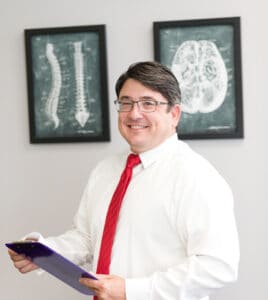
Dr. Jack Norsworthy
Dr. Jack Norsworthy is a Doctor of Chiropractic Medicine and Founder of the Comprehensive Accident and Injury Center. He's passionate about providing the highest quality of Chiropractic care in Delaware and surrounding communities. Check back for more updates from Doctor Norsworthy as he shares more information about musculoskeletal injuries, Chiropractic care, and healthy lifestyle habits.
Dr. Jack Norsworthy
Dr. Jack Norsworthy is a Doctor of Chiropractic Medicine and Founder of the Comprehensive Accident and Injury Center. He's passionate about providing the highest quality of Chiropractic care in Delaware and surrounding communities. Check back for more updates from Doctor Norsworthy as he shares more information about musculoskeletal injuries, Chiropractic care, and healthy lifestyle habits.