
If you live with degenerative disc disease (DDD), even a minor car accident can disrupt the delicate balance of your spine and rapidly intensify pain. The force of impact can stress worn discs, inflame surrounding tissues, and irritate nerves—leading to symptoms that may appear immediately or develop gradually over days. At Comprehensive Accident and Injury Center, we specialize in recognizing and treating injuries caused or aggravated by auto accidents, including those commonly overlooked in emergency room evaluations.
Get Appointment
Complete the Form Below and We’ll Get Back to you Immediately.
Key Takeaways
- Even low-speed collisions can worsen pre-existing degenerative disc disease.
- Symptoms include severe pain, stiffness, nerve irritation, and reduced mobility.
- ER exams often miss subtle but serious spinal injuries; follow-up care is crucial.
- Comprehensive Accident and Injury Center provides advanced diagnostics, chiropractic care, physical therapy, and customized rehabilitation plans.
- Proper documentation of aggravated DDD is essential for personal injury claims.
How a Car Accident Can Aggravate Degenerative Disc Disease
Degenerative disc disease occurs gradually, but trauma can accelerate the process. When a collision happens, the spine undergoes a sudden load—often beyond what weakened discs can handle. This traumatic force can:
Increase disc bulging or cause a previously stable disc to herniate
Create microtears in surrounding ligaments and soft tissue
Trigger significant inflammation that pressures nearby nerves
Lead to protective muscle spasms that restrict movement
Cause rapid degeneration in an area already weakened by wear and tear
Many patients feel a dramatic increase in symptoms following an accident, even if their DDD had been manageable beforehand.
Why ER Evaluations Often Miss Accident-Related Spinal Injuries
Emergency rooms play a critical role in identifying life-threatening conditions, fractures, and visibly urgent injuries. However, their role is not to perform in-depth orthopedic or neurological evaluations for soft-tissue or disc-related injuries.
That’s why many patients walk away from the ER with “normal” results, only to experience worsening pain in the days that follow.
ER evaluations may miss:
Mild-to-moderate disc bulges
Joint dysfunction in the spine
Soft tissue injuries to ligaments, tendons, and muscles
Nerve irritation without immediate red flags
Signs of aggravated degenerative disc disease
This is why follow-up care with specialists trained in diagnosing car-accident injuries is essential. At Comprehensive Accident and Injury Center, we understand the impact forces involved in collisions and perform targeted tests and imaging specifically designed to uncover hidden injuries.

Common Symptoms After an Accident
When degenerative disc disease is aggravated by trauma, patients often report:
- Intense or persistent neck or lower back pain
- Sharp, radiating pain into the arms or legs
- Tingling, numbness, or burning sensations from nerve compression
- Difficulty rotating the head, bending, or lifting
- Muscle spasms that restrict normal movement
- Worsening pain when sitting, standing, or driving
These symptoms may begin immediately or gradually intensify over the following week as inflammation builds.
Why Post-Accident Follow-Up Is Essential
A follow-up evaluation ensures that injuries aren’t missed, improperly documented, or allowed to worsen. Here’s why it’s so important:
| ERs screen mainly for emergencies—not soft tissue or disc injuries. | Early detection prevents chronic pain and long-term spinal instability. |
| Proper imaging helps identify whether a disc has worsened due to the accident. | Documentation is essential for personal injury claims, especially when pre-existing conditions are involved. |
| Car-accident-trained practitioners understand common crash-related injury patterns. |
At Comprehensive Accident and Injury Center, we take the extra time to evaluate alignment, disc condition, nerve function, range of motion, and soft-tissue integrity—areas that ERs typically do not assess in detail.
Treatment Options at Comprehensive Accident and Injury Center
We use an integrated, patient-first treatment model to help you recover safely and effectively.
Chiropractic Care
Gentle adjustments help restore alignment, reduce inflammation, and relieve pressure on irritated nerves. Unlike aggressive techniques, our approach focuses on comfort and precision, especially for patients with DDD.
Physical Therapy & Rehabilitation
Our therapists create customized routines to stabilize the spine, improve flexibility, and rebuild strength. Targeted exercises help prevent future flare-ups and support long-term spinal health.
Spinal Decompression
This non-surgical therapy gently stretches the spine to reduce disc pressure, increase nutrient flow, and promote healing. It can be especially beneficial for accident-related disc aggravation.
Soft Tissue Therapy
Treatment for muscles, ligaments, and fascia helps reduce chronic tension, improve mobility, and support healing around injured discs.
Diagnostic Imaging
We provide imaging that focuses specifically on identifying trauma-related changes, including new disc bulges, joint dysfunction, and inflammation patterns.
Supporting Your Personal Injury Claim
When pre-existing conditions are involved, insurance companies often try to argue that the accident didn’t worsen your condition. That’s why proper documentation is critical.
At our clinic, you can expect:
- Detailed records connecting your aggravated symptoms to the accident
- Thorough evaluations that distinguish between pre-existing and new injuries
- Progress reports and documentation for attorneys and insurance adjusters
- Clear medical evidence showing how the crash impacted your DDD
Our goal is to ensure you receive the treatment you need—and the documentation your case requires.
FAQ: Degenerative Disc Disease Aggravated by Car Accidents
Yes. Even a low-speed impact can worsen weakened discs, leading to inflammation, nerve irritation, and increased pain.
ERs focus on ruling out life-threatening issues. They typically do not perform the in-depth orthopedic or neurological evaluations necessary to detect disc or soft-tissue injuries.
Absolutely. Many spinal injuries develop or worsen in the days after an accident. Follow-up with an accident injury specialist is crucial for both proper healing and legal documentation.
Yes. Aggravation of a pre-existing condition is legally recognized and often compensable when properly documented.
Chiropractic care, physical therapy, spinal decompression, soft tissue therapy, and customized rehab programs are commonly effective.
Get the Care You Need After an Auto Accident
If your degenerative disc disease was aggravated by a car accident, the right evaluation and treatment can prevent worsening symptoms and help you return to normal life. Our team at Comprehensive Accident and Injury Center is trained to recognize injuries the ER may miss and provide the care needed for long-term recovery.
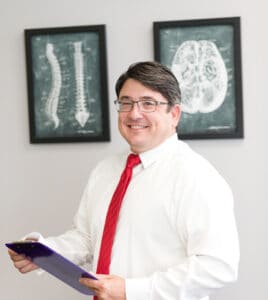
Dr. Jack Norsworthy
Dr. Jack Norsworthy is a Doctor of Chiropractic Medicine and Founder of the Comprehensive Accident and Injury Center. He's passionate about providing the highest quality of Chiropractic care in Delaware and surrounding communities. Check back for more updates from Doctor Norsworthy as he shares more information about musculoskeletal injuries, Chiropractic care, and healthy lifestyle habits.
Dr. Jack Norsworthy
Dr. Jack Norsworthy is a Doctor of Chiropractic Medicine and Founder of the Comprehensive Accident and Injury Center. He's passionate about providing the highest quality of Chiropractic care in Delaware and surrounding communities. Check back for more updates from Doctor Norsworthy as he shares more information about musculoskeletal injuries, Chiropractic care, and healthy lifestyle habits.