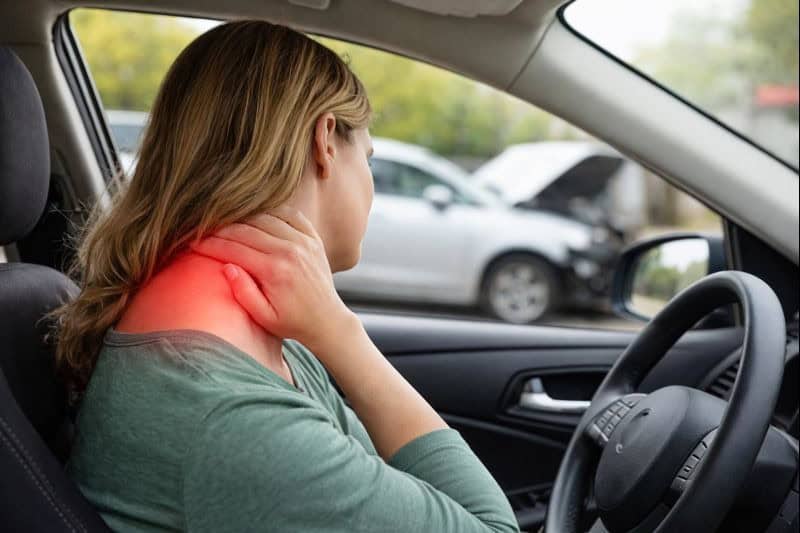
Many people feel shaken but “okay” immediately after a collision, only to develop a headache later. Searching phrases like headache day after car accident or delayed headache after car accident is common because pain often shows up after the body has had time to react to trauma. These symptoms should not be ignored, especially when they persist or worsen.
Comprehensive Accident and Injury Center serves patients in Bear, DE and throughout Delaware who experience headaches following auto accidents. Our team focuses on identifying the musculoskeletal and neurological factors that can trigger post‑collision headaches and providing conservative care to support recovery.
Get Appointment
Complete the Form Below and We’ll Get Back to you Immediately.
Key Takeaways
- Headaches can begin days after a crash due to inflammation and muscle strain
- Neck and upper back injuries frequently contribute to post‑accident headaches
- Emergency imaging may not reveal soft tissue or movement problems
- Early evaluation improves documentation and recovery outcomes
- Conservative care can reduce pain and restore function
Why Headaches Appear After a Crash
During an accident, the head and neck are forced forward and backward in a short amount of time. This motion strains muscles, joints, and ligaments in the cervical spine. Irritation in these structures can refer pain upward into the head.
Inflammation also increases in the days following trauma. As swelling and muscle tension build, headache symptoms may emerge even if none were present immediately after the collision.
Common Patterns of Delayed Headache
Patients may describe a headache days after car accident that feels different from a normal tension headache. Some experience pain at the base of the skull, pressure behind the eyes, or throbbing that worsens with movement.
Others notice symptoms such as dizziness, light sensitivity, or difficulty concentrating. These patterns often relate to neck injury, postural strain, or irritation of nerves in the upper spine.
Why the ER Visit May Not Explain Ongoing Headaches
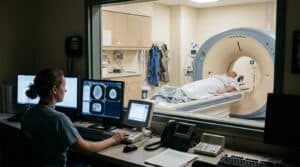
Emergency departments focus on ruling out fractures and life‑threatening injuries. While scans may appear normal, they do not assess joint motion, muscle balance, or nerve irritation.
Headaches related to whiplash‑type injuries frequently involve functional problems that require hands‑on evaluation rather than imaging alone.

The Importance of Getting Evaluated in Delaware
If you develop a headache 3 days after car accident or even a headache a week after car accident, it is important to be examined by a provider who understands trauma‑related musculoskeletal injuries.
At Comprehensive Accident and Injury Center in Bear, DE, assessments focus on posture, range of motion, muscle tension, and neurological signs. This helps determine whether symptoms are linked to the accident and guides appropriate care.
Chiropractic Care for Post‑Accident Headaches
Restricted or irritated joints in the neck can trigger pain that radiates into the head. Chiropractic care addresses these movement problems by restoring healthier joint mechanics.
Gentle adjustments and mobilization techniques aim to reduce stress on the cervical spine and surrounding tissues, which may decrease headache frequency and intensity.
Physical Therapy for Stability and Posture
Physical therapy strengthens the muscles that support the neck and upper back. Targeted exercises improve posture, coordination, and endurance, reducing strain on sensitive structures.
Rehabilitation programs progress based on symptom response and functional improvement, helping patients safely return to daily activities.
Massage Therapy for Muscle Tension Relief
Muscle guarding is common after trauma. Tight tissues in the shoulders, neck, and upper back can contribute to headache symptoms.
Massage therapy improves circulation and helps release tension, supporting the effectiveness of chiropractic care and physical therapy.
Why Combination Therapy Works Best
Headaches after a collision rarely stem from a single issue. Joint restriction, muscle strain, and altered posture often occur together.
Using multiple therapies allows treatment to address the full pattern of injury rather than just one symptom. This approach supports more complete recovery and better long‑term comfort.
What Patients Can Expect at CAIC in Bear, DE
Your first visit includes a detailed history and physical examination to understand how the accident affected your neck and upper back. Care plans may include chiropractic care, physical therapy, and massage therapy depending on findings.
Progress is monitored regularly to ensure treatment aligns with symptom changes and functional goals.
Frequently Asked Questions About Headaches After Car Accidents
Yes. Inflammation and muscle strain can take time to develop, leading to delayed symptoms.
Yes. Many post‑accident headaches originate from cervical spine irritation.
Persistent or worsening headaches should be evaluated to rule out injury‑related causes.
Not always. Functional exams often reveal problems that scans do not show.
Yes. Chiropractic care, physical therapy, and massage therapy often reduce symptoms and improve movement.
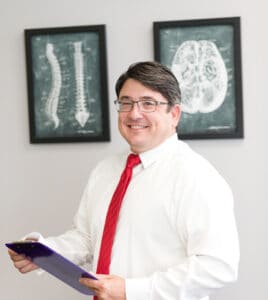
Dr. Jack Norsworthy
Dr. Jack Norsworthy is a Doctor of Chiropractic Medicine and Founder of the Comprehensive Accident and Injury Center. He's passionate about providing the highest quality of Chiropractic care in Delaware and surrounding communities. Check back for more updates from Doctor Norsworthy as he shares more information about musculoskeletal injuries, Chiropractic care, and healthy lifestyle habits.
Dr. Jack Norsworthy
Dr. Jack Norsworthy is a Doctor of Chiropractic Medicine and Founder of the Comprehensive Accident and Injury Center. He's passionate about providing the highest quality of Chiropractic care in Delaware and surrounding communities. Check back for more updates from Doctor Norsworthy as he shares more information about musculoskeletal injuries, Chiropractic care, and healthy lifestyle habits.