
A soft tissue injury after a car accident is one of the most common causes of ongoing pain and mobility problems following a collision. These injuries affect muscles, ligaments, tendons, and connective tissue, and they often occur even when vehicle damage appears minor. At Comprehensive Accident and Injury Center, we focus on identifying and treating these injuries early to help patients avoid long-term complications and prolonged discomfort.
Many individuals leave the scene of an accident or even the emergency room believing they were not seriously injured. However, soft tissue trauma does not always cause immediate symptoms and is frequently missed during initial evaluations. Understanding how these injuries develop and why early care matters is an important step in protecting your recovery.
Get Appointment
Complete the Form Below and We’ll Get Back to you Immediately.
Key Takeaways
- A soft tissue injury after a car accident may not cause immediate pain or stiffness
- Emergency evaluations often focus on fractures and internal injuries, not soft tissue damage
- Muscles, ligaments, and tendons can be injured even in low-speed collisions
- Delayed symptoms are common and should not be ignored
- Early, conservative care supports healing and reduces the risk of chronic pain
Understanding Soft Tissue Injuries
Soft tissue injuries involve damage to the structures that support movement and stability throughout the body. These tissues absorb force, guide joint motion, and help maintain posture. When they are overstretched or strained during a collision, inflammation and dysfunction can follow.
Unlike broken bones, soft tissue injuries do not typically appear on X-rays. This makes them harder to diagnose without a focused musculoskeletal evaluation. Common examples include muscle strains, ligament sprains, and fascial restrictions that limit normal movement.
How Car Accidents Cause Soft Tissue Damage
During a motor vehicle accident, the body experiences rapid acceleration and deceleration. Even when seatbelts and airbags are used correctly, the spine and surrounding tissues are subjected to sudden forces.
These forces may result in:
Overstretching of muscles and ligaments
Microtearing of connective tissue
Joint instability or restriction
Protective muscle tightening that limits movement
The neck, mid-back, lower back, shoulders, and hips are especially vulnerable due to their role in stabilizing the body during impact.
Delayed Symptoms After a Car Accident
One of the most challenging aspects of a soft tissue injury after a car accident is delayed symptom onset. Adrenaline and shock can temporarily suppress pain signals, allowing injuries to go unnoticed at first.
Symptoms may develop hours or days later and can include:
Neck or back stiffness
Muscle tightness or soreness
Headaches
Reduced range of motion
Pain that increases with activity
Discomfort that interferes with sleep or daily tasks
These symptoms are often mistaken for normal soreness, but they may indicate underlying tissue injury that requires attention.
Why Emergency Room Visits Often Miss Soft Tissue Injuries
Emergency rooms are essential for identifying serious and life-threatening conditions after an accident. Their primary focus is on ruling out fractures, internal bleeding, and neurological emergencies.
Soft tissue injuries, however, often require a different type of evaluation. Because standard imaging may appear normal, patients are frequently discharged without a clear explanation for developing pain or stiffness. Follow-up care focused on musculoskeletal health is critical for identifying injuries that were not apparent during emergency assessment.
Conservative Care for Soft Tissue Injuries
At Comprehensive Accident and Injury Center, care is centered on restoring function while supporting the body’s natural healing process. Treatment plans are individualized based on the severity of injury, symptom progression, and functional limitations.
Conservative care may include:
- Gentle joint and spinal mobilization
- Targeted soft tissue therapies
- Guided movement and mobility exercises
- Activity modification to reduce strain
- Progressive return to normal movement
The goal is to reduce inflammation, improve tissue flexibility, and restore healthy movement patterns without unnecessary intervention.
Risks of Leaving Soft Tissue Injuries Untreated
When a soft tissue injury after a car accident is not properly addressed, the body often compensates to avoid pain. These compensations can place additional stress on surrounding joints and muscles.
Over time, this may contribute to:
- Chronic neck or back pain
- Recurrent muscle tightness
- Reduced mobility and flexibility
- Headaches or nerve irritation
- Degenerative changes due to altered movement
Early evaluation and care help reduce the likelihood of these long-term issues.
Supporting Long-Term Recovery
Recovery involves more than simply waiting for pain to fade. Restoring proper movement, strength, and tissue tolerance is essential for long-term stability and injury prevention.
By addressing soft tissue health alongside movement quality, care supports both immediate relief and lasting functional improvement.
Frequently Asked Questions About Soft Tissue Injuries After Car Accidents
Symptoms such as stiffness, soreness, reduced mobility, or pain that appears after an accident may indicate soft tissue involvement, even if imaging results are normal.
Some minor injuries may improve, but many benefit from guided care to restore movement and reduce the risk of chronic problems.
It is best to be evaluated as soon as possible, even if symptoms are mild or delayed. Early care often leads to better outcomes.
While not life-threatening, untreated soft tissue injuries can lead to long-term pain, reduced function, and recurring flare-ups.
Delayed symptoms are common. Evaluation can still identify contributing factors and guide appropriate care.
Next Steps After a Car Accident
If you are in the Portland area and have recently been involved in a car accident, it is important not to ignore lingering pain, stiffness, or changes in how your body moves. A soft tissue injury after a car accident can worsen over time without proper care, even if symptoms seem minor at first. If you have questions about your symptoms or want to understand your options, we invite you to contact Comprehensive Accident and Injury Center. You can fill out the contact form or call our office to schedule a free consultation and take the next step toward protecting your recovery and long-term mobility.
Dr. Jack Norsworthy
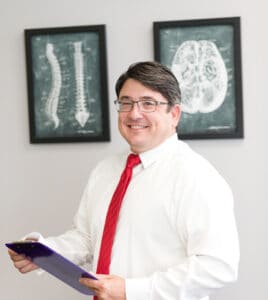
Dr. Jack Norsworthy is a Doctor of Chiropractic Medicine and Founder of the Comprehensive Accident and Injury Center. He's passionate about providing the highest quality of Chiropractic care in Delaware and surrounding communities. Check back for more updates from Doctor Norsworthy as he shares more information about musculoskeletal injuries, Chiropractic care, and healthy lifestyle habits.
Dr. Jack Norsworthy
Dr. Jack Norsworthy is a Doctor of Chiropractic Medicine and Founder of the Comprehensive Accident and Injury Center. He's passionate about providing the highest quality of Chiropractic care in Delaware and surrounding communities. Check back for more updates from Doctor Norsworthy as he shares more information about musculoskeletal injuries, Chiropractic care, and healthy lifestyle habits.