After a motor vehicle collision, many people notice new or worsening back or neck pain and begin asking an important question: can a car accident cause degenerative disc disease? While disc degeneration is often associated with aging, trauma can accelerate or aggravate changes within the spinal discs, especially when the body is subjected to sudden force.
Comprehensive Accident and Injury Center (CAIC) in Bear, DE evaluates patients after auto accidents to determine how the impact affected spinal structures, movement patterns, and overall function. Our goal is to identify whether the collision contributed to disc-related symptoms and to guide recovery using conservative, hands-on care.
Get Appointment
Complete the Form Below and We’ll Get Back to you Immediately.
Key Takeaways
Spinal discs can be stressed or damaged during a collision
Trauma may speed up existing disc changes or trigger symptoms
Imaging alone does not always explain pain or dysfunction
Early evaluation helps document injury-related changes
Conservative care can support mobility and long-term spinal health
How Spinal Discs Respond to Impact
Spinal discs act as cushions between the vertebrae. They help absorb shock and allow the spine to bend and rotate. During a crash, rapid acceleration and deceleration can compress and twist these discs beyond their normal range.
This stress may cause small tears in the outer disc fibers or disrupt how fluid is distributed inside the disc. Over time, these changes can contribute to stiffness, reduced shock absorption, and irritation of nearby nerves.
Degenerative Disc Disease and Trauma
Degenerative disc disease is a term used to describe age-related or wear-related changes in the spinal discs. However, trauma can influence how quickly these changes occur and how noticeable they become.
A car accident may not create disc degeneration from nothing, but it can worsen a previously silent condition or make mild degeneration suddenly symptomatic. Many patients had no back or neck problems before a crash and only discover disc issues after symptoms appear.
Why Symptoms May Appear Later
Immediately after an accident, stress hormones can dull pain signals. As inflammation develops and muscle tension increases, discomfort may become more obvious days or even weeks later.
Delayed symptoms related to disc irritation may include aching, stiffness, pain that radiates into the arms or legs, or difficulty sitting or standing for long periods.
Why Emergency Imaging May Not Tell the Whole Story
Emergency rooms focus on identifying fractures and life-threatening injuries. While scans may show disc changes, they do not always explain how the spine is moving or why pain persists.
Many disc-related problems involve movement restriction, muscle guarding, and nerve irritation that are not clearly visible on imaging. Functional assessment plays an important role in understanding these issues.
The Importance of Early Evaluation After a Crash
Being evaluated soon after an accident helps determine whether spinal discs were affected and whether symptoms are related to the collision. Early care can support the healing process and reduce the likelihood of chronic pain.
At CAIC in Bear, DE, examinations focus on posture, joint motion, muscle balance, and neurological signs. This approach helps distinguish between age-related changes and injury-related dysfunction.
Chiropractic Care for Disc-Related Symptoms
Chiropractic care addresses how spinal joints move and how they influence surrounding tissues. After a collision, restricted or uneven motion can place added stress on discs and nerves.
Gentle adjustments and mobilization techniques are used to restore healthier movement patterns and reduce abnormal loading on affected segments.
Physical Therapy for Strength and Stability
Physical therapy helps rebuild core strength, flexibility, and coordination. Targeted exercises support spinal stability and improve how forces are distributed through the body during daily activities.
Rehabilitation programs are designed to progress gradually based on symptom response and functional improvement.
Massage Therapy for Soft Tissue Support
Muscle tension and connective tissue restrictions often accompany disc irritation. Massage therapy improves circulation and helps reduce guarding around painful areas.
When combined with chiropractic care and physical therapy, massage supports comfort and tissue recovery.
Why a Multi-Therapy Approach Matters
Disc-related symptoms rarely exist alone. Joint restriction, muscle strain, and altered movement frequently occur together. Using multiple therapies allows care to be tailored to the individual rather than relying on one method alone.
This integrated approach helps improve mobility, reduce discomfort, and support long-term spinal function.
What Patients Can Expect at CAIC in Bear, DE
Your visit begins with a detailed history and examination to understand how the accident affected your spine and daily activities. Care plans may include chiropractic care, physical therapy, and massage therapy depending on findings.
Progress is monitored regularly to ensure treatment aligns with recovery goals and functional needs.
Frequently Asked Questions About Can a Car Accident Cause Degenerative Disc Disease
Yes. Chiropractic care, physical therapy, and massage therapy often improve comfort and function.
Dr. Jack Norsworthy
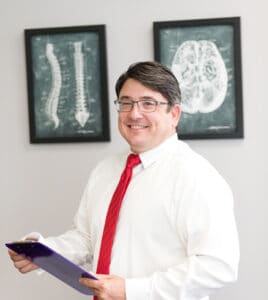
Dr. Jack Norsworthy is a Doctor of Chiropractic Medicine and Founder of the Comprehensive Accident and Injury Center. He's passionate about providing the highest quality of Chiropractic care in Delaware and surrounding communities. Check back for more updates from Doctor Norsworthy as he shares more information about musculoskeletal injuries, Chiropractic care, and healthy lifestyle habits.
Dr. Jack Norsworthy
Dr. Jack Norsworthy is a Doctor of Chiropractic Medicine and Founder of the Comprehensive Accident and Injury Center. He's passionate about providing the highest quality of Chiropractic care in Delaware and surrounding communities. Check back for more updates from Doctor Norsworthy as he shares more information about musculoskeletal injuries, Chiropractic care, and healthy lifestyle habits.