Introduction: Do You Always Need the Hospital After a Car Accident?
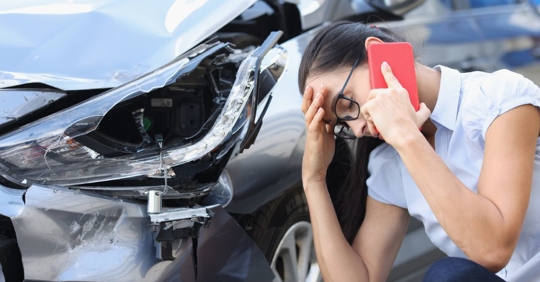
After a car accident, many people assume that going to the hospital is the only way to get proper medical care. While emergency rooms are essential for severe or life-threatening injuries, not every accident requires a hospital visit. In fact, many individuals seek car accident injury treatment without going to the hospital for non-emergency conditions such as soft tissue injuries, whiplash, and joint pain.
At Comprehensive Accident and Injury Center, we provide patients in Bear, DE with thorough evaluations and personalized care plans designed to treat accident-related injuries effectively without the need for hospital-based treatment. Understanding your options can help you make informed decisions about your health and recovery.
Get Appointment
Complete the Form Below and We’ll Get Back to you Immediately.
Key Takeaways
Not all car accident injuries require emergency room treatment
Non-emergency injuries can often be treated safely outside the hospital
Early evaluation helps prevent long-term pain and complications
Personalized care plans support effective and complete recovery
When Hospital Care Is Necessary
Hospitals play a critical role in treating serious injuries. If you experience severe pain, heavy bleeding, loss of consciousness, difficulty breathing, or suspected fractures, immediate emergency care is essential. These situations require rapid intervention and specialized medical resources that only a hospital can provide.
However, many car accident injuries are not immediately life-threatening. Once serious conditions are ruled out, patients often benefit from follow-up care in a specialized setting focused on recovery and rehabilitation.
When You Can Seek Treatment Outside the Hospital
For many patients, symptoms develop gradually or appear after leaving the accident scene. In these cases, seeking car accident injury treatment without going to the hospital can be both appropriate and effective.
Common non-emergency conditions include neck and back pain, stiffness, headaches, muscle soreness, and limited mobility. These symptoms are often related to soft tissue injuries or spinal misalignments that respond well to conservative, non-invasive care.
Choosing the right provider ensures that these injuries are properly diagnosed and treated before they become chronic or more difficult to manage.
Common Injuries Treated Without Hospital Visits
Many accident-related injuries can be managed outside of a hospital setting with the right care approach. These injuries may not seem severe at first but can worsen over time if left untreated.
Frequently Treated Non-Emergency Injuries
Whiplash and neck strain from sudden movement
Back pain caused by muscle strain or disc issues
Headaches related to tension or minor head injuries
Joint pain affecting shoulders, knees, or hips
A comprehensive evaluation helps identify the root cause of these symptoms and ensures that no underlying issues are missed.
What to Expect From a Non-Hospital Injury Evaluation
At Comprehensive Accident and Injury Center, your care begins with a detailed evaluation tailored to your specific situation. Providers review the details of the accident, discuss your symptoms, and assess how your body has been affected.
A physical examination focuses on movement, posture, muscle tension, and neurological function. If needed, additional diagnostic tools may be used to detect injuries that are not immediately visible. Based on these findings, a personalized treatment plan is developed to support your recovery.
This process ensures that patients receiving car accident injury treatment without going to the hospital receive thorough and effective care.
Treatment Options for Non-Hospital Car Accident Care
Recovering outside of a hospital setting does not mean compromising on quality care. In fact, many patients benefit from a more focused and personalized approach that targets the source of pain and dysfunction.
Treatment plans may include chiropractic adjustments to restore proper spinal alignment, physical therapy to improve strength and flexibility, and therapeutic massage to reduce muscle tension and inflammation. Rehabilitation exercises are often incorporated to improve movement patterns and prevent reinjury.
Regular follow-ups allow providers to monitor progress and make adjustments as needed, ensuring that recovery remains on track.
Benefits of Seeking Treatment Outside the Hospital
For non-emergency injuries, choosing care outside of a hospital can offer several advantages. Patients often experience shorter wait times, more personalized attention, and treatment plans specifically designed for recovery rather than emergency stabilization.
Additionally, ongoing care in a specialized setting focuses on long-term healing, helping patients regain mobility and return to daily activities more comfortably. This approach is especially beneficial for those dealing with car accident injury treatment without going to the hospital, as it prioritizes both immediate relief and lasting results.
It is best to seek care as soon as possible, even if symptoms seem mild or develop later.
Take the Next Step Toward Recovery
If you are dealing with pain or discomfort after a crash and want effective car accident injury treatment without going to the hospital, early care can make all the difference. Contact Comprehensive Accident and Injury Center in Bear, DE today to schedule a consultation and learn more about your treatment options. Our team is here to help you recover safely and get back to your daily life with confidence.
Dr. Jack Norsworthy
Dr. Jack Norsworthy is a Doctor of Chiropractic Medicine and Founder of the Comprehensive Accident and Injury Center. He's passionate about providing the highest quality of Chiropractic care in Delaware and surrounding communities. Check back for more updates from Doctor Norsworthy as he shares more information about musculoskeletal injuries, Chiropractic care, and healthy lifestyle habits.
Dr. Jack Norsworthy
Dr. Jack Norsworthy is a Doctor of Chiropractic Medicine and Founder of the Comprehensive Accident and Injury Center. He's passionate about providing the highest quality of Chiropractic care in Delaware and surrounding communities. Check back for more updates from Doctor Norsworthy as he shares more information about musculoskeletal injuries, Chiropractic care, and healthy lifestyle habits.
After a car accident, it is natural to feel overwhelmed and unsure about what steps to take next. While most people focus on what they should do, it is just as important to understand what not to do after a car accident. Certain mistakes can affect your health, delay recovery, or complicate insurance and legal matters.
At Comprehensive Accident and Injury Center, we work with patients recovering from auto injuries and help them avoid common missteps that can impact both their care and their claims. Taking the right approach early on can make a significant difference in your recovery process.
Get Appointment
Complete the Form Below and We’ll Get Back to you Immediately.
Key Takeaways
Ignoring symptoms can lead to delayed diagnosis and prolonged recovery
Waiting too long to seek care may affect both health and insurance claims
Incomplete documentation can complicate the recovery process
Following a structured treatment plan supports better outcomes
Early evaluation helps identify injuries that may not be immediately obvious
What Not to Do After a Car Accident
Many people unintentionally make decisions after an accident that can create challenges later. Understanding these common mistakes can help you take a more informed approach to your recovery.
Do Not Ignore Delayed Symptoms
One of the most common mistakes is assuming that no immediate pain means no injury. After an accident, adrenaline can mask discomfort, and symptoms may not appear until hours or days later.
Conditions such as soft tissue injuries, joint restrictions, or nerve irritation can develop gradually. Ignoring these signs may allow the problem to worsen over time.
Seeking an evaluation early helps identify issues before they become more serious.
Do Not Delay Medical Evaluation
Waiting too long to seek care can affect both your physical recovery and your claim. Early treatment helps reduce inflammation, restore movement, and prevent compensation patterns that may lead to chronic pain.
From an administrative standpoint, delays in care may make it more difficult to connect your injuries directly to the accident. Prompt evaluation provides a clear starting point for documentation.
Do Not Skip Follow-Up Care
Another important point when considering what not to do after a car accident is skipping recommended follow-up visits. Some patients begin treatment but stop once symptoms start to improve.
Incomplete care can lead to lingering issues or recurring pain. Following through with your treatment plan helps ensure that injuries heal properly and that function is fully restored.
Do Not Assume Emergency Room Clearance Is Enough
Many patients visit the emergency room after an accident, which is an important step for ruling out serious injuries. However, ER evaluations are typically focused on identifying life-threatening conditions.
Musculoskeletal issues, such as joint dysfunction or soft tissue strain, may not be fully assessed during an emergency visit. Continuing care with a provider experienced in accident-related injuries is often necessary for a complete recovery.
Do Not Overlook Documentation
Proper documentation plays a key role in both treatment and insurance processes. Failing to keep records of symptoms, appointments, and progress can create challenges later.
Consistent documentation helps establish a clear connection between the accident and your injuries. This information may be important for insurance claims or legal considerations.
Do Not Push Through Pain Too Soon
Returning to normal activities too quickly can place additional stress on injured areas. While it is important to stay active, pushing through pain without proper guidance can delay healing.
A structured rehabilitation plan helps ensure that movement is restored safely and progressively.
The Role of Physical Therapy and Rehabilitation
After a car accident, physical therapy is often recommended to improve strength, flexibility, and coordination. Rehabilitation helps address the underlying effects of injury and supports long-term recovery.
At Comprehensive Accident and Injury Center in Bear, DE, patients receive care that may include physical therapy, chiropractic treatment, and soft tissue work. This integrated approach helps address multiple aspects of injury and supports a more complete recovery.
Supporting Your Recovery After an Accident
Recovering from a car accident involves more than just reducing pain. It requires restoring proper movement, improving stability, and addressing any imbalances caused by the injury.
By avoiding common mistakes and following a structured plan of care, patients can improve their outcomes and reduce the likelihood of ongoing issues.
Frequently Asked Questions About What Not to Do After a Car Accident
You should avoid strenuous activity initially, but guided movement and rehabilitation are important for recovery.
If you have recently been involved in a car accident and want to avoid common mistakes that could impact your recovery, it is important to seek proper care. At Comprehensive Accident and Injury Center in Bear, DE, our team helps patients understand what not to do after a car accident while providing structured treatment plans designed to support healing. If you live in the Bear area, contact our office today to schedule an evaluation. You can fill out our online contact form or call directly to speak with our team about your next steps.
Dr. Jack Norsworthy
Dr. Jack Norsworthy is a Doctor of Chiropractic Medicine and Founder of the Comprehensive Accident and Injury Center. He's passionate about providing the highest quality of Chiropractic care in Delaware and surrounding communities. Check back for more updates from Doctor Norsworthy as he shares more information about musculoskeletal injuries, Chiropractic care, and healthy lifestyle habits.
Dr. Jack Norsworthy
Dr. Jack Norsworthy is a Doctor of Chiropractic Medicine and Founder of the Comprehensive Accident and Injury Center. He's passionate about providing the highest quality of Chiropractic care in Delaware and surrounding communities. Check back for more updates from Doctor Norsworthy as he shares more information about musculoskeletal injuries, Chiropractic care, and healthy lifestyle habits.
After a car accident, many patients are referred for rehabilitation to address pain, stiffness, and reduced mobility. One of the most common questions people ask is: who pays for physical therapy after car accident injuries? Understanding how treatment is covered can help you make informed decisions about your care while focusing on recovery.
At Comprehensive Accident and Injury Center in Bear, DE, we work with patients navigating post-accident care and help them understand their options for coverage. Our goal is to ensure you receive the treatment you need without unnecessary confusion about the financial process.
Get Appointment
Complete the Form Below and We’ll Get Back to you Immediately.
Key Takeaways
Several types of insurance may cover physical therapy after a car accident
Coverage depends on fault, policy limits, and state-specific rules
Early documentation of injuries is important for claims
Delaying care can affect both recovery and coverage eligibility
Providers can help coordinate care and billing after an accident
Who Pays for Physical Therapy After a Car Accident?
The answer depends on multiple factors, including the type of insurance coverage available and the circumstances of the accident. In many cases, more than one source may contribute to covering the cost of care.
Common sources of payment include auto insurance policies, personal injury protection benefits, health insurance, or settlements related to the accident. Determining which applies to your situation often depends on how the accident occurred and the details of your policy.
Understanding Auto Insurance Coverage
Auto insurance is often the primary source of coverage after a collision. Depending on your policy, you may have benefits that cover medical treatment regardless of fault.
In some cases, the at-fault driver’s insurance may be responsible for covering medical expenses. However, this process can take time and may involve investigations, claims processing, or legal considerations.
Because of this, patients are often advised to begin treatment promptly while coverage details are being reviewed.
How Personal Injury Protection (PIP) Works
Personal Injury Protection, commonly referred to as PIP, may cover medical expenses such as physical therapy after a car accident. This type of coverage is designed to provide access to care without waiting for fault to be determined.
PIP benefits typically have limits, meaning coverage may only extend up to a certain dollar amount. Understanding these limits is important when planning ongoing treatment.
When Health Insurance May Be Used
If auto insurance coverage is limited or delayed, health insurance may be used to cover physical therapy services. Depending on your plan, you may be responsible for co-pays, deductibles, or other out-of-pocket costs.
In some cases, health insurance providers may seek reimbursement if a settlement is reached related to the accident. This is another reason why proper documentation of care is essential.
Why Prompt Treatment Matters
Waiting to seek care after a car accident can create challenges both medically and financially. From a clinical standpoint, early treatment helps reduce inflammation, restore movement, and prevent compensation patterns that can lead to chronic pain.
From a claims perspective, delays in treatment may raise questions about whether the injury is directly related to the accident. Seeking care early helps establish a clear connection between the incident and your symptoms.
Physical Therapy After a Car Accident
Physical therapy is commonly recommended after a collision to improve strength, flexibility, and coordination. Many patients experience reduced mobility or muscle imbalance following an accident, which can interfere with daily activities.
At Comprehensive Accident and Injury Center in Bear, DE, rehabilitation programs are designed to help patients regain function safely. Treatment plans are tailored to each individual and adjusted based on progress and response to care.
Coordinated Care After an Accident
Recovering from a car accident often requires a coordinated approach. In addition to physical therapy, patients may benefit from chiropractic care and soft tissue treatment to address multiple aspects of injury.
At CAIC, we work with patients to create structured care plans while also helping them understand how treatment is documented and billed. This coordination helps reduce confusion and allows patients to focus on recovery.
What to Expect During Your First Visit
Your initial appointment includes a detailed review of the accident, your symptoms, and any prior medical evaluations. A physical examination will assess movement, strength, and areas of discomfort.
Based on these findings, a treatment plan is created to address your specific needs. Our team also helps explain how your care may be covered and what steps to take next.
Frequently Asked Questions About Paying for Physical Therapy After a Car Accident
Accurate documentation helps link your injuries to the accident and supports any insurance or legal claims.
If you were recently involved in a car accident and are unsure who pays for physical therapy after car accident injuries, it is important to speak with a provider who understands both the medical and administrative aspects of care. At Comprehensive Accident and Injury Center in Bear, DE, our team helps patients navigate treatment while providing the documentation and support needed throughout the recovery process. If you live in the Bear area, contact our office today to schedule an evaluation. You can fill out our online contact form or call directly to speak with our team about your next steps.
Dr. Jack Norsworthy
Dr. Jack Norsworthy is a Doctor of Chiropractic Medicine and Founder of the Comprehensive Accident and Injury Center. He's passionate about providing the highest quality of Chiropractic care in Delaware and surrounding communities. Check back for more updates from Doctor Norsworthy as he shares more information about musculoskeletal injuries, Chiropractic care, and healthy lifestyle habits.
Dr. Jack Norsworthy
Dr. Jack Norsworthy is a Doctor of Chiropractic Medicine and Founder of the Comprehensive Accident and Injury Center. He's passionate about providing the highest quality of Chiropractic care in Delaware and surrounding communities. Check back for more updates from Doctor Norsworthy as he shares more information about musculoskeletal injuries, Chiropractic care, and healthy lifestyle habits.
Introduction: Why Headaches Are Common After Rear-End Collisions
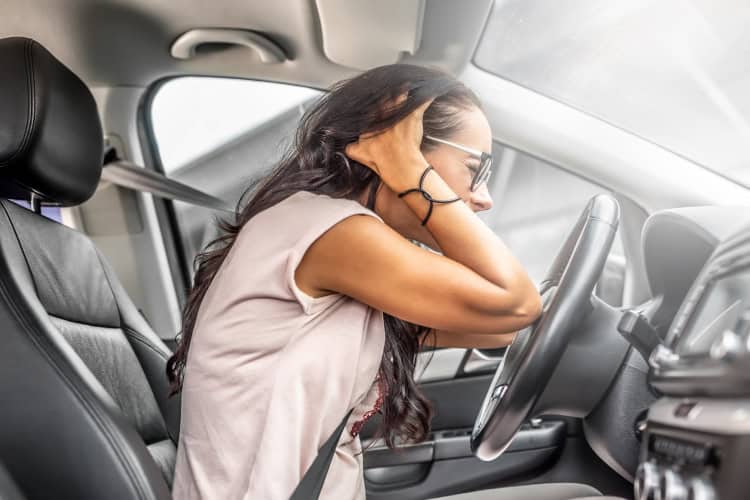
Rear-end accidents are among the most common types of car crashes, and they often seem minor at first glance. However, the sudden force placed on the neck and head can lead to symptoms that develop hours or even days later. One of the most frequently reported issues is a headache after being rear-ended, which can range from mild discomfort to persistent, disruptive pain.
At Comprehensive Accident and Injury Center, we help patients in Bear, DE understand the cause of their symptoms and provide targeted care to relieve pain and restore normal function. Identifying the source of a headache early is essential for preventing long-term complications.
Get Appointment
Complete the Form Below and We’ll Get Back to you Immediately.
Key Takeaways
Headaches are a common symptom after rear-end collisions
Pain may appear immediately or develop days after the accident
Underlying causes often include whiplash or mild head injuries
Early evaluation helps prevent chronic pain and ongoing discomfort
Why Do Headaches Occur After a Rear-End Accident?
A rear-end collision causes the head and neck to snap backward and forward rapidly, a motion commonly associated with whiplash. This sudden movement can strain muscles, ligaments, and joints in the neck, leading to tension that radiates into the head.
In some cases, headaches may also result from minor head injuries or concussions, even if there was no direct impact. Inflammation, nerve irritation, and reduced blood flow caused by muscle tightness can all contribute to discomfort. This is why a headache after being rear ended should never be dismissed as a minor issue, especially if it persists or worsens over time.
Types of Headaches After a Car Accident
Not all post-accident headaches feel the same. The type and location of pain can provide clues about the underlying cause.
Many patients experience tension headaches, which often feel like a tight band around the head and are linked to muscle strain in the neck and shoulders. Others may develop cervicogenic headaches, which originate in the neck and radiate upward. These are commonly associated with whiplash injuries.
In more serious cases, headaches may be related to a concussion or mild traumatic brain injury. These headaches are often accompanied by dizziness, nausea, or sensitivity to light and noise. Identifying the type of headache is an important step in determining the appropriate treatment.
When to Be Concerned About a Headache After Being Rear-Ended
While some headaches may resolve on their own, others can indicate more serious underlying conditions. Persistent or worsening pain, headaches that interfere with daily activities, or symptoms such as dizziness, confusion, or blurred vision should be evaluated by a healthcare professional.
It is also important to pay attention to headaches that appear hours or days after the accident. Delayed symptoms are common and can signal soft tissue injuries or developing inflammation. Seeking care early helps prevent the condition from becoming chronic and more difficult to treat.
What to Expect During an Evaluation
At Comprehensive Accident and Injury Center, your evaluation begins with a detailed discussion of the accident and your symptoms. Providers will ask about when the headache started, how it feels, and whether other symptoms are present.
A physical examination focuses on the neck, spine, and surrounding muscles to identify tension, restricted movement, or misalignment. Neurological assessments may also be performed to rule out more serious conditions such as concussions.
Based on the findings, a personalized treatment plan is created to address the root cause of the headache rather than just the symptoms.
Treatment Options for Post-Accident Headaches
Treating headaches after a rear-end collision often involves a combination of therapies designed to reduce pain and restore proper function. Care plans are tailored to each patient’s specific condition and recovery goals.
Treatment may include chiropractic adjustments to improve spinal alignment and relieve pressure on nerves, physical therapy to strengthen supporting muscles and improve flexibility, and therapeutic massage to reduce tension and improve circulation. Rehabilitation exercises may also be introduced to support long-term recovery and prevent recurring symptoms.
This comprehensive approach helps patients experiencing a headache after being rear ended achieve lasting relief and return to their normal activities.
The Importance of Ongoing Care and Monitoring
Headaches can change over time, especially if they are related to soft tissue injuries or spinal issues. Regular follow-up visits allow providers to monitor progress, adjust treatment plans, and address any new or lingering symptoms.
Proper documentation is also important for tracking recovery and supporting insurance claims if needed. Consistent care helps ensure that patients recover fully and avoid long-term complications.
Yes, delayed headaches are common and may develop as inflammation and muscle tension increase over time.
Take the Next Step Toward Relief
If you are experiencing a headache after being rear-ended, do not ignore the symptoms or wait for them to worsen. Early evaluation and treatment can make a significant difference in your recovery. Contact Comprehensive Accident and Injury Center in Bear, DE today to schedule a consultation and learn more about your care options. Our team is here to help you feel better and get back to your daily routine with confidence.
Dr. Jack Norsworthy
Dr. Jack Norsworthy is a Doctor of Chiropractic Medicine and Founder of the Comprehensive Accident and Injury Center. He's passionate about providing the highest quality of Chiropractic care in Delaware and surrounding communities. Check back for more updates from Doctor Norsworthy as he shares more information about musculoskeletal injuries, Chiropractic care, and healthy lifestyle habits.
Dr. Jack Norsworthy
Dr. Jack Norsworthy is a Doctor of Chiropractic Medicine and Founder of the Comprehensive Accident and Injury Center. He's passionate about providing the highest quality of Chiropractic care in Delaware and surrounding communities. Check back for more updates from Doctor Norsworthy as he shares more information about musculoskeletal injuries, Chiropractic care, and healthy lifestyle habits.
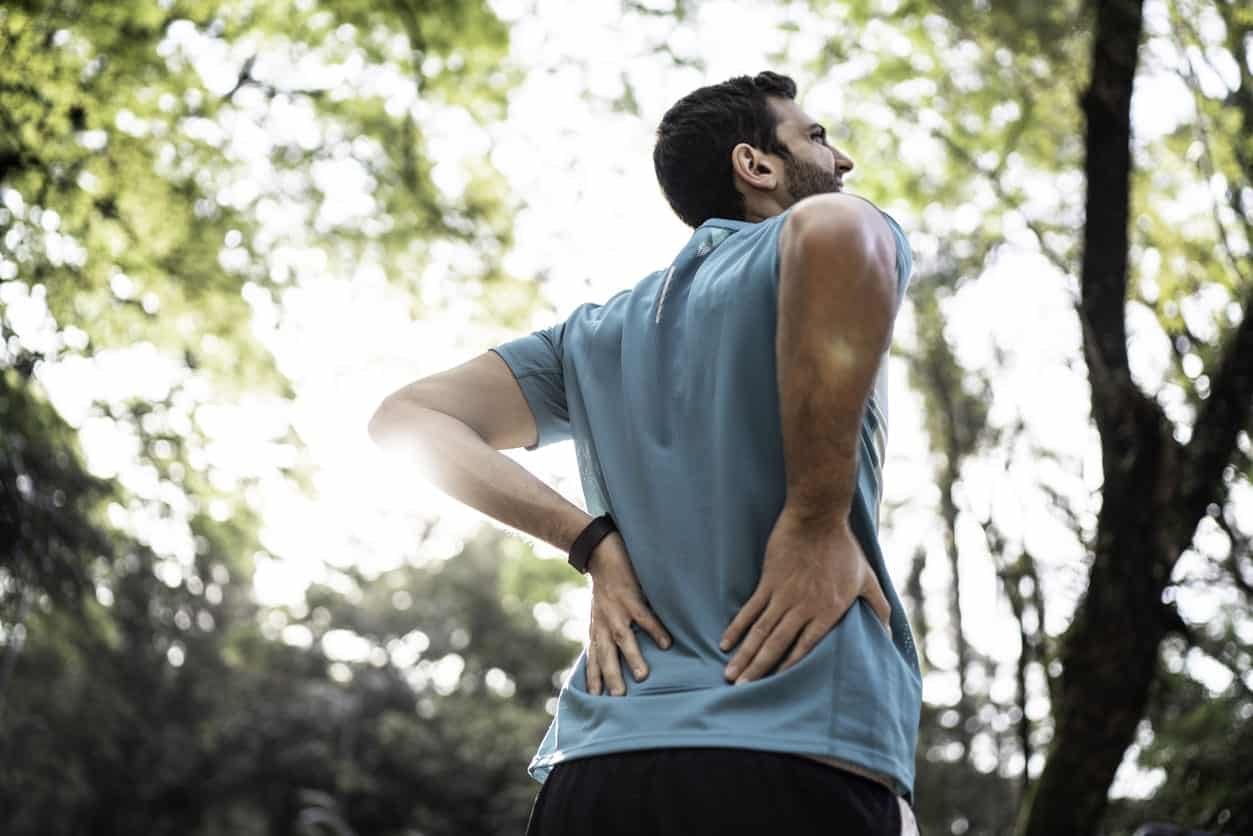
Lower back injuries are common after vehicle collisions, but some accident victims also develop nerve-related symptoms that extend beyond the spine. Sciatic nerve pain after a car accident can create discomfort that travels from the lower back into the hip, buttock, or down the leg. This type of pain may feel sharp, burning, or tingling, and it can interfere with sitting, walking, and daily activities.
At Comprehensive Accident and Injury Center in Bear, DE, we regularly evaluate patients experiencing sciatic nerve pain from car accident injuries. Our goal is to determine how the collision affected the spine, surrounding joints, and nerve pathways so that treatment can focus on the underlying cause of the symptoms.
Get Appointment
Complete the Form Below and We’ll Get Back to you Immediately.
Key Takeaways
Car accidents can irritate the sciatic nerve through spinal strain or disc irritation.
Symptoms often include radiating leg pain, tingling, numbness, or weakness.
Sciatic nerve pain may not begin until hours or days after the crash.
Early evaluation helps identify nerve involvement before symptoms worsen.
Chiropractic care, physical therapy, and massage therapy can support recovery after a collision.
Can a Car Accident Cause Sciatica Nerve Pain?
Many people are surprised to learn that a vehicle collision can trigger symptoms associated with sciatica. The force of an impact can compress or twist the lower spine, which may irritate the nerves that form the sciatic nerve.
When this occurs, pain may travel along the nerve pathway from the lower back into the leg. In some cases, inflammation around spinal joints or discs contributes to nerve irritation even when imaging does not show severe structural damage.
Because of this, accident victims sometimes develop nerve pain after a car accident even when the crash initially seemed minor.
How Sciatic Nerve Pain From a Car Accident Develops
The body absorbs significant force during a collision, especially in rear-end and side-impact crashes. Sudden acceleration and deceleration can place stress on the lumbar spine and pelvis.
Sciatic nerve pain from car accident injuries may develop when surrounding muscles tighten or when spinal joints lose normal movement patterns. These changes can narrow the space where spinal nerves exit the spine, leading to irritation that radiates into the hip or leg.
Symptoms may appear immediately or gradually as inflammation builds in the days following the accident.
Recognizing Symptoms of Nerve Pain After a Car Accident
Sciatic nerve irritation often produces symptoms that are different from typical muscle soreness. Patients may feel sharp or shooting pain that travels down the leg. Some also experience tingling, numbness, or weakness in the affected limb.
Sciatic nerve pain car accident injuries may also cause difficulty sitting for long periods or discomfort when bending, lifting, or walking. These symptoms should be evaluated promptly to prevent worsening nerve irritation.
Why Early Evaluation Is Important
After a crash, many people wait to seek care because they expect symptoms to resolve naturally. While some soreness improves with time, untreated nerve irritation can persist or become more severe.
Early evaluation allows providers to assess spinal movement, nerve function, and muscular balance. Identifying the cause of nerve pain after a car accident helps guide treatment and prevents unnecessary strain on injured tissues.
Prompt care also creates clear documentation of injuries related to the accident, which can be important when working with insurance providers.
Chiropractic Care for Sciatic Nerve Irritation
Chiropractic care focuses on restoring normal joint motion within the spine and pelvis. When joints become restricted following a collision, surrounding muscles and nerves may experience increased mechanical stress.
Gentle adjustments may help improve spinal mobility and reduce irritation around affected nerve roots. Improving joint function can help relieve pressure on the sciatic nerve while supporting healthier movement patterns.
Physical Therapy for Strength and Stability
Physical therapy is often recommended to strengthen muscles that support the lower back and pelvis. Targeted exercises help improve flexibility, coordination, and endurance.
By restoring proper muscle balance, rehabilitation programs help reduce strain on the spine and lower the likelihood of ongoing nerve irritation.
Massage Therapy for Soft Tissue Recovery
After a collision, muscle tension frequently develops around the lower back and hips. Tight muscles can worsen nerve compression and increase discomfort.
Massage therapy helps relax these tissues and improve circulation, allowing injured areas to recover more effectively. When combined with chiropractic care and physical therapy, massage therapy supports a more complete healing process.
A Comprehensive Approach to Car Accident Recovery
At Comprehensive Accident and Injury Center in Bear, DE, treatment plans are designed to address both structural and soft tissue injuries. Sciatic nerve irritation often involves multiple factors, including spinal movement restrictions, muscular imbalance, and inflammation.
By combining chiropractic care, rehabilitation exercises, and soft tissue therapy, our team works to restore normal function while reducing the risk of long-term complications after a collision.
Frequently Asked Questions About Sciatic Nerve Pain After a Car Accident
Yes. Chiropractic care, physical therapy, and massage therapy often help reduce nerve irritation and improve mobility.
If you were recently involved in a car accident and are experiencing radiating leg pain, numbness, or tingling, it is important to have your spine evaluated by a qualified provider. At Comprehensive Accident and Injury Center in Bear, DE, our team focuses on identifying the cause of sciatic nerve pain after a car accident and guiding patients through conservative care that supports long-term recovery. If you live in the Bear area and need care after a crash, contact our office today to schedule an evaluation. You can fill out our online contact form or call directly to speak with our staff about your symptoms.
Dr. Jack Norsworthy
Dr. Jack Norsworthy is a Doctor of Chiropractic Medicine and Founder of the Comprehensive Accident and Injury Center. He's passionate about providing the highest quality of Chiropractic care in Delaware and surrounding communities. Check back for more updates from Doctor Norsworthy as he shares more information about musculoskeletal injuries, Chiropractic care, and healthy lifestyle habits.
Dr. Jack Norsworthy
Dr. Jack Norsworthy is a Doctor of Chiropractic Medicine and Founder of the Comprehensive Accident and Injury Center. He's passionate about providing the highest quality of Chiropractic care in Delaware and surrounding communities. Check back for more updates from Doctor Norsworthy as he shares more information about musculoskeletal injuries, Chiropractic care, and healthy lifestyle habits.
Many people feel shaken but “okay” immediately after a collision, only to develop a headache later. Searching phrases like headache day after car accident or delayed headache after car accident is common because pain often shows up after the body has had time to react to trauma. These symptoms should not be ignored, especially when they persist or worsen.
Comprehensive Accident and Injury Center serves patients in Bear, DE and throughout Delaware who experience headaches following auto accidents. Our team focuses on identifying the musculoskeletal and neurological factors that can trigger post‑collision headaches and providing conservative care to support recovery.
Get Appointment
Complete the Form Below and We’ll Get Back to you Immediately.
Key Takeaways
Headaches can begin days after a crash due to inflammation and muscle strain
Neck and upper back injuries frequently contribute to post‑accident headaches
Emergency imaging may not reveal soft tissue or movement problems
Early evaluation improves documentation and recovery outcomes
Conservative care can reduce pain and restore function
Why Headaches Appear After a Crash
During an accident, the head and neck are forced forward and backward in a short amount of time. This motion strains muscles, joints, and ligaments in the cervical spine. Irritation in these structures can refer pain upward into the head.
Inflammation also increases in the days following trauma. As swelling and muscle tension build, headache symptoms may emerge even if none were present immediately after the collision.
Common Patterns of Delayed Headache
Patients may describe a headache days after car accident that feels different from a normal tension headache. Some experience pain at the base of the skull, pressure behind the eyes, or throbbing that worsens with movement.
Others notice symptoms such as dizziness, light sensitivity, or difficulty concentrating. These patterns often relate to neck injury, postural strain, or irritation of nerves in the upper spine.
Why the ER Visit May Not Explain Ongoing Headaches
Emergency departments focus on ruling out fractures and life‑threatening injuries. While scans may appear normal, they do not assess joint motion, muscle balance, or nerve irritation.
Headaches related to whiplash‑type injuries frequently involve functional problems that require hands‑on evaluation rather than imaging alone.
The Importance of Getting Evaluated in Delaware
If you develop a headache 3 days after car accident or even a headache a week after car accident, it is important to be examined by a provider who understands trauma‑related musculoskeletal injuries.
At Comprehensive Accident and Injury Center in Bear, DE, assessments focus on posture, range of motion, muscle tension, and neurological signs. This helps determine whether symptoms are linked to the accident and guides appropriate care.
Chiropractic Care for Post‑Accident Headaches
Restricted or irritated joints in the neck can trigger pain that radiates into the head. Chiropractic care addresses these movement problems by restoring healthier joint mechanics.
Gentle adjustments and mobilization techniques aim to reduce stress on the cervical spine and surrounding tissues, which may decrease headache frequency and intensity.
Physical Therapy for Stability and Posture
Physical therapy strengthens the muscles that support the neck and upper back. Targeted exercises improve posture, coordination, and endurance, reducing strain on sensitive structures.
Rehabilitation programs progress based on symptom response and functional improvement, helping patients safely return to daily activities.
Massage Therapy for Muscle Tension Relief
Muscle guarding is common after trauma. Tight tissues in the shoulders, neck, and upper back can contribute to headache symptoms.
Massage therapy improves circulation and helps release tension, supporting the effectiveness of chiropractic care and physical therapy.
Why Combination Therapy Works Best
Headaches after a collision rarely stem from a single issue. Joint restriction, muscle strain, and altered posture often occur together.
Using multiple therapies allows treatment to address the full pattern of injury rather than just one symptom. This approach supports more complete recovery and better long‑term comfort.
What Patients Can Expect at CAIC in Bear, DE
Your first visit includes a detailed history and physical examination to understand how the accident affected your neck and upper back. Care plans may include chiropractic care, physical therapy, and massage therapy depending on findings.
Progress is monitored regularly to ensure treatment aligns with symptom changes and functional goals.
Frequently Asked Questions About Headaches After Car Accidents
Yes. Chiropractic care, physical therapy, and massage therapy often reduce symptoms and improve movement.
Dr. Jack Norsworthy
Dr. Jack Norsworthy is a Doctor of Chiropractic Medicine and Founder of the Comprehensive Accident and Injury Center. He's passionate about providing the highest quality of Chiropractic care in Delaware and surrounding communities. Check back for more updates from Doctor Norsworthy as he shares more information about musculoskeletal injuries, Chiropractic care, and healthy lifestyle habits.
Dr. Jack Norsworthy
Dr. Jack Norsworthy is a Doctor of Chiropractic Medicine and Founder of the Comprehensive Accident and Injury Center. He's passionate about providing the highest quality of Chiropractic care in Delaware and surrounding communities. Check back for more updates from Doctor Norsworthy as he shares more information about musculoskeletal injuries, Chiropractic care, and healthy lifestyle habits.