Introduction: Why Headaches Are Common After Rear-End Collisions
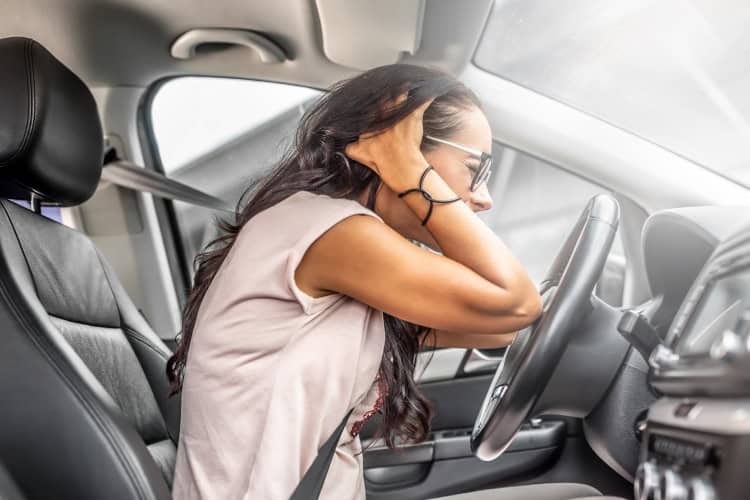
Rear-end accidents are among the most common types of car crashes, and they often seem minor at first glance. However, the sudden force placed on the neck and head can lead to symptoms that develop hours or even days later. One of the most frequently reported issues is a headache after being rear-ended, which can range from mild discomfort to persistent, disruptive pain.
At Comprehensive Accident and Injury Center, we help patients in Bear, DE understand the cause of their symptoms and provide targeted care to relieve pain and restore normal function. Identifying the source of a headache early is essential for preventing long-term complications.
Get Appointment
Complete the Form Below and We’ll Get Back to you Immediately.
Key Takeaways
Headaches are a common symptom after rear-end collisions
Pain may appear immediately or develop days after the accident
Underlying causes often include whiplash or mild head injuries
Early evaluation helps prevent chronic pain and ongoing discomfort
Why Do Headaches Occur After a Rear-End Accident?
A rear-end collision causes the head and neck to snap backward and forward rapidly, a motion commonly associated with whiplash. This sudden movement can strain muscles, ligaments, and joints in the neck, leading to tension that radiates into the head.
In some cases, headaches may also result from minor head injuries or concussions, even if there was no direct impact. Inflammation, nerve irritation, and reduced blood flow caused by muscle tightness can all contribute to discomfort. This is why a headache after being rear ended should never be dismissed as a minor issue, especially if it persists or worsens over time.
Types of Headaches After a Car Accident
Not all post-accident headaches feel the same. The type and location of pain can provide clues about the underlying cause.
Many patients experience tension headaches, which often feel like a tight band around the head and are linked to muscle strain in the neck and shoulders. Others may develop cervicogenic headaches, which originate in the neck and radiate upward. These are commonly associated with whiplash injuries.
In more serious cases, headaches may be related to a concussion or mild traumatic brain injury. These headaches are often accompanied by dizziness, nausea, or sensitivity to light and noise. Identifying the type of headache is an important step in determining the appropriate treatment.
When to Be Concerned About a Headache After Being Rear-Ended
While some headaches may resolve on their own, others can indicate more serious underlying conditions. Persistent or worsening pain, headaches that interfere with daily activities, or symptoms such as dizziness, confusion, or blurred vision should be evaluated by a healthcare professional.
It is also important to pay attention to headaches that appear hours or days after the accident. Delayed symptoms are common and can signal soft tissue injuries or developing inflammation. Seeking care early helps prevent the condition from becoming chronic and more difficult to treat.
What to Expect During an Evaluation
At Comprehensive Accident and Injury Center, your evaluation begins with a detailed discussion of the accident and your symptoms. Providers will ask about when the headache started, how it feels, and whether other symptoms are present.
A physical examination focuses on the neck, spine, and surrounding muscles to identify tension, restricted movement, or misalignment. Neurological assessments may also be performed to rule out more serious conditions such as concussions.
Based on the findings, a personalized treatment plan is created to address the root cause of the headache rather than just the symptoms.
Treatment Options for Post-Accident Headaches
Treating headaches after a rear-end collision often involves a combination of therapies designed to reduce pain and restore proper function. Care plans are tailored to each patient’s specific condition and recovery goals.
Treatment may include chiropractic adjustments to improve spinal alignment and relieve pressure on nerves, physical therapy to strengthen supporting muscles and improve flexibility, and therapeutic massage to reduce tension and improve circulation. Rehabilitation exercises may also be introduced to support long-term recovery and prevent recurring symptoms.
This comprehensive approach helps patients experiencing a headache after being rear ended achieve lasting relief and return to their normal activities.
The Importance of Ongoing Care and Monitoring
Headaches can change over time, especially if they are related to soft tissue injuries or spinal issues. Regular follow-up visits allow providers to monitor progress, adjust treatment plans, and address any new or lingering symptoms.
Proper documentation is also important for tracking recovery and supporting insurance claims if needed. Consistent care helps ensure that patients recover fully and avoid long-term complications.
Yes, delayed headaches are common and may develop as inflammation and muscle tension increase over time.
Take the Next Step Toward Relief
If you are experiencing a headache after being rear-ended, do not ignore the symptoms or wait for them to worsen. Early evaluation and treatment can make a significant difference in your recovery. Contact Comprehensive Accident and Injury Center in Bear, DE today to schedule a consultation and learn more about your care options. Our team is here to help you feel better and get back to your daily routine with confidence.
Dr. Jack Norsworthy
Dr. Jack Norsworthy is a Doctor of Chiropractic Medicine and Founder of the Comprehensive Accident and Injury Center. He's passionate about providing the highest quality of Chiropractic care in Delaware and surrounding communities. Check back for more updates from Doctor Norsworthy as he shares more information about musculoskeletal injuries, Chiropractic care, and healthy lifestyle habits.
Dr. Jack Norsworthy
Dr. Jack Norsworthy is a Doctor of Chiropractic Medicine and Founder of the Comprehensive Accident and Injury Center. He's passionate about providing the highest quality of Chiropractic care in Delaware and surrounding communities. Check back for more updates from Doctor Norsworthy as he shares more information about musculoskeletal injuries, Chiropractic care, and healthy lifestyle habits.
Lower back injuries are common after vehicle collisions, but some accident victims also develop nerve-related symptoms that extend beyond the spine. Sciatic nerve pain after a car accident can create discomfort that travels from the lower back into the hip, buttock, or down the leg. This type of pain may feel sharp, burning, or tingling, and it can interfere with sitting, walking, and daily activities.
At Comprehensive Accident and Injury Center in Bear, DE, we regularly evaluate patients experiencing sciatic nerve pain from car accident injuries. Our goal is to determine how the collision affected the spine, surrounding joints, and nerve pathways so that treatment can focus on the underlying cause of the symptoms.
Get Appointment
Complete the Form Below and We’ll Get Back to you Immediately.
Key Takeaways
Car accidents can irritate the sciatic nerve through spinal strain or disc irritation.
Symptoms often include radiating leg pain, tingling, numbness, or weakness.
Sciatic nerve pain may not begin until hours or days after the crash.
Early evaluation helps identify nerve involvement before symptoms worsen.
Chiropractic care, physical therapy, and massage therapy can support recovery after a collision.
Can a Car Accident Cause Sciatica Nerve Pain?
Many people are surprised to learn that a vehicle collision can trigger symptoms associated with sciatica. The force of an impact can compress or twist the lower spine, which may irritate the nerves that form the sciatic nerve.
When this occurs, pain may travel along the nerve pathway from the lower back into the leg. In some cases, inflammation around spinal joints or discs contributes to nerve irritation even when imaging does not show severe structural damage.
Because of this, accident victims sometimes develop nerve pain after a car accident even when the crash initially seemed minor.
How Sciatic Nerve Pain From a Car Accident Develops
The body absorbs significant force during a collision, especially in rear-end and side-impact crashes. Sudden acceleration and deceleration can place stress on the lumbar spine and pelvis.
Sciatic nerve pain from car accident injuries may develop when surrounding muscles tighten or when spinal joints lose normal movement patterns. These changes can narrow the space where spinal nerves exit the spine, leading to irritation that radiates into the hip or leg.
Symptoms may appear immediately or gradually as inflammation builds in the days following the accident.
Recognizing Symptoms of Nerve Pain After a Car Accident
Sciatic nerve irritation often produces symptoms that are different from typical muscle soreness. Patients may feel sharp or shooting pain that travels down the leg. Some also experience tingling, numbness, or weakness in the affected limb.
Sciatic nerve pain car accident injuries may also cause difficulty sitting for long periods or discomfort when bending, lifting, or walking. These symptoms should be evaluated promptly to prevent worsening nerve irritation.
Why Early Evaluation Is Important
After a crash, many people wait to seek care because they expect symptoms to resolve naturally. While some soreness improves with time, untreated nerve irritation can persist or become more severe.
Early evaluation allows providers to assess spinal movement, nerve function, and muscular balance. Identifying the cause of nerve pain after a car accident helps guide treatment and prevents unnecessary strain on injured tissues.
Prompt care also creates clear documentation of injuries related to the accident, which can be important when working with insurance providers.
Chiropractic Care for Sciatic Nerve Irritation
Chiropractic care focuses on restoring normal joint motion within the spine and pelvis. When joints become restricted following a collision, surrounding muscles and nerves may experience increased mechanical stress.
Gentle adjustments may help improve spinal mobility and reduce irritation around affected nerve roots. Improving joint function can help relieve pressure on the sciatic nerve while supporting healthier movement patterns.
Physical Therapy for Strength and Stability
Physical therapy is often recommended to strengthen muscles that support the lower back and pelvis. Targeted exercises help improve flexibility, coordination, and endurance.
By restoring proper muscle balance, rehabilitation programs help reduce strain on the spine and lower the likelihood of ongoing nerve irritation.
Massage Therapy for Soft Tissue Recovery
After a collision, muscle tension frequently develops around the lower back and hips. Tight muscles can worsen nerve compression and increase discomfort.
Massage therapy helps relax these tissues and improve circulation, allowing injured areas to recover more effectively. When combined with chiropractic care and physical therapy, massage therapy supports a more complete healing process.
A Comprehensive Approach to Car Accident Recovery
At Comprehensive Accident and Injury Center in Bear, DE, treatment plans are designed to address both structural and soft tissue injuries. Sciatic nerve irritation often involves multiple factors, including spinal movement restrictions, muscular imbalance, and inflammation.
By combining chiropractic care, rehabilitation exercises, and soft tissue therapy, our team works to restore normal function while reducing the risk of long-term complications after a collision.
Frequently Asked Questions About Sciatic Nerve Pain After a Car Accident
Yes. Chiropractic care, physical therapy, and massage therapy often help reduce nerve irritation and improve mobility.
If you were recently involved in a car accident and are experiencing radiating leg pain, numbness, or tingling, it is important to have your spine evaluated by a qualified provider. At Comprehensive Accident and Injury Center in Bear, DE, our team focuses on identifying the cause of sciatic nerve pain after a car accident and guiding patients through conservative care that supports long-term recovery. If you live in the Bear area and need care after a crash, contact our office today to schedule an evaluation. You can fill out our online contact form or call directly to speak with our staff about your symptoms.
Dr. Jack Norsworthy
Dr. Jack Norsworthy is a Doctor of Chiropractic Medicine and Founder of the Comprehensive Accident and Injury Center. He's passionate about providing the highest quality of Chiropractic care in Delaware and surrounding communities. Check back for more updates from Doctor Norsworthy as he shares more information about musculoskeletal injuries, Chiropractic care, and healthy lifestyle habits.
Dr. Jack Norsworthy
Dr. Jack Norsworthy is a Doctor of Chiropractic Medicine and Founder of the Comprehensive Accident and Injury Center. He's passionate about providing the highest quality of Chiropractic care in Delaware and surrounding communities. Check back for more updates from Doctor Norsworthy as he shares more information about musculoskeletal injuries, Chiropractic care, and healthy lifestyle habits.